

 Language
 English
 中文简体
 日本語
 русский
 Español
 عربى

Nov, 01, 2026
1mm TPU Chest Waders: Lightweight Waterproof Protection for Warm-Season Fishing
For anglers who spend long hours in rivers, streams, marshes, and shallow coastal waters, the right waders can make the difference between an enjoyable fishing trip and an uncomfortable, exhausting experience. Heavy, rigid, poorly ventilated waders may provide basic water protection, but they can restrict movement, create unnecessary bulk, and become difficult to pack or transport. The 1mm TPU bootfoot chest wader is designed to solve these common problems by combining waterproof protection, lightweight construction, flexible movement, and practical fishing features in one integrated garment.
These chest-high waders are made from 1mm TPU laminated fabric and feature attached rubber boots, fully sealed seams, adjustable suspenders, a detachable waist belt, and a waterproof zipper chest pocket. Their design is especially suitable for spring and summer fishing, fly fishing, stream fishing, shallow-water exploration, and other outdoor activities where reliable waterproof performance is needed without the weight of traditional heavy-duty waders.
Unlike thick cold-weather waders intended for deep winter use, this model focuses on comfort, mobility, and packability. The soft and flexible material allows anglers to bend, kneel, climb over riverbanks, and walk through uneven terrain with less restriction. At the same time, the integrated bootfoot construction and hot-pressed seam sealing help prevent water from entering through the most vulnerable areas of a wader.
Manufactured by Jiangsu Yiheng Sports Products Co., Ltd., a professional producer of neoprene materials and finished water sports products, the waders benefit from long-term experience in fabric processing, garment construction, and outdoor product manufacturing. The company’s factory covers more than 15,000 square meters and employs over 120 professional workers. Its product expertise includes wetsuits, drysuits, fishing waders, rash guards, water sports equipment, and neoprene fabrics.
This article examines the structure, materials, functions, applications, manufacturing strengths, and commercial advantages of 1mm TPU chest waders. It also explains how these waders compare with heavier PVC alternatives, what buyers should consider when selecting a model, and why they are particularly suitable for private-label, wholesale, and professional outdoor equipment programs.
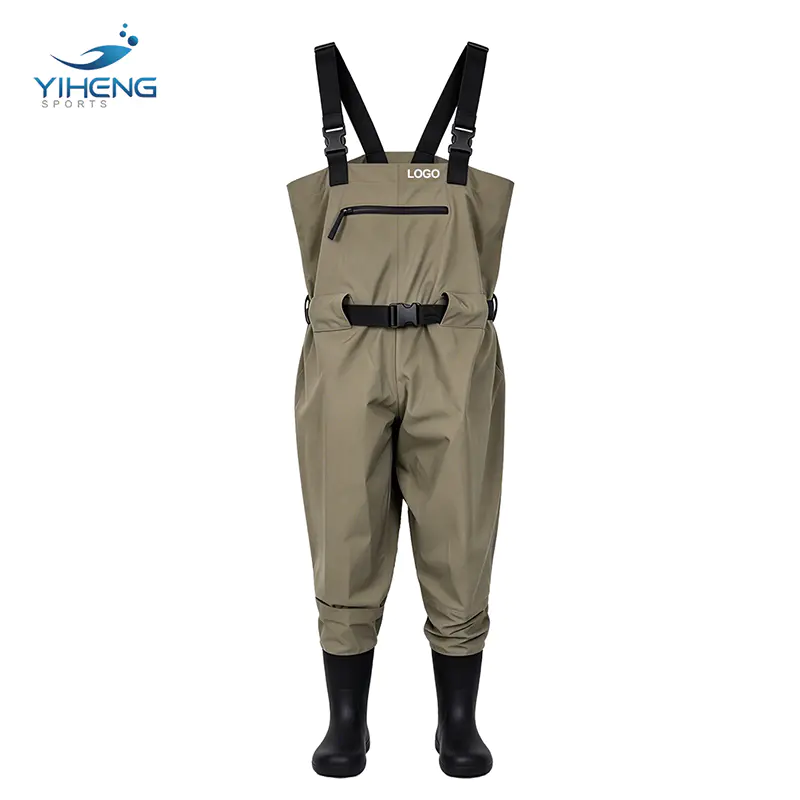
1mm TPU Chest Waders | Lightweight Waterproof Fishing Bootfoot Waders
What Are 1mm TPU Chest Waders?
Chest waders are waterproof trousers that extend from the feet to the chest. They allow the wearer to enter water while keeping the lower body dry and protected. A chest-high design provides more coverage than hip waders or waist waders, making it useful when anglers need to cross deeper sections of a stream, stand in moving water, or work in wet vegetation.
The 1mm designation refers to the approximate thickness of the TPU laminated fabric used for the main wader body. Although the material is relatively thin, it is engineered to deliver a balance of waterproof performance, flexibility, and low weight. The thinner construction is particularly beneficial in warm weather, when thick multilayer waders can feel excessively hot or cumbersome.
TPU, or thermoplastic polyurethane, is a flexible polymer material known for its resistance to water, abrasion, bending, and low temperatures. In these waders, TPU is used as a laminated fabric rather than as a completely rigid sheet. The textile backing provides structural support, while the TPU layer contributes waterproof protection and a smooth, easy-to-clean surface.
The bootfoot design means that the rubber boots are permanently connected to the wader body. This differs from stockingfoot waders, which end in neoprene socks and require separate fishing boots. An integrated boot reduces the number of individual components that anglers must purchase, carry, and maintain. It also eliminates the connection between a separate wader sock and outer boot, creating a simple and convenient system for outdoor use.
Main Product Specifications
| Item | Specification | Practical Benefit |
|---|---|---|
| Primary material | 1mm TPU laminated fabric | Lightweight, flexible, waterproof, and easy to fold |
| Wader height | Chest high | Protection for shallow and moderate-depth wading |
| Foot design | Integrated rubber bootfoot | One-piece convenience and reduced water-entry risk |
| Seam construction | Hot-pressed, fully sealed seams | Helps block leakage through stitched or joined areas |
| Suspension system | Adjustable nylon suspenders | Customizable fit and comfortable weight distribution |
| Buckle system | Quick-release buckle | Easy on and off in changing outdoor conditions |
| Waist support | Detachable waist belt | Helps secure the wader body and reduce water flushing |
| Storage | Waterproof zipper chest pocket | Protects small fishing accessories from splashes and moisture |
| Outsole | Heavy-duty rubber anti-slip outsole | Improves grip on wet and slippery riverbeds |
| Available color direction | Khaki or tan | Suitable for natural outdoor environments and fishing retailers |
Why 1mm TPU Is Suitable for Warm-Season Wading
Material selection is one of the most important factors in wader performance. A fabric that is waterproof but too heavy can reduce mobility and increase fatigue. A fabric that is light but poorly sealed may fail when exposed to continuous water contact. The 1mm TPU laminated construction is intended to provide a practical compromise between these two extremes.
Lightweight Construction
Lightweight equipment is especially valuable for anglers who hike to remote fishing locations. A compact wader reduces the load in a backpack and is easier to put on when conditions change unexpectedly. The lower material weight also helps reduce strain on the shoulders, hips, and legs during long periods of standing or walking.
Compared with thick PVC waders, a 1mm TPU model can feel less rigid and less cumbersome. It is also easier to fold into a pack or storage bag. This makes it attractive to fly fishers, hiking anglers, outdoor guides, and travelers who need equipment that can be transported efficiently.
Softness and Flexibility
Rigid material can interfere with common fishing movements such as casting, stepping over rocks, crouching beside a bank, or reaching into the water. The soft TPU laminated fabric allows the wader body to follow the wearer’s movements more naturally. The loose ergonomic cut provides additional room around the legs and seat, supporting bending, kneeling, and climbing.
Flexibility is also important when anglers move through narrow streams or uneven riverbeds. Rather than forcing the body to move against a stiff garment, the wader construction supports a more natural stride. This can improve comfort during long fishing sessions and reduce the sensation of resistance that is common with heavy waterproof clothing.
Waterproof Performance
TPU forms a continuous waterproof layer over the fabric structure. When paired with fully sealed seams, it helps prevent water from passing through both the material surface and the joined sections. The integrated bootfoot design further reduces potential entry points around the ankles and lower legs.
Waterproof performance depends on correct use and care. Waders should be inspected before each trip, especially around the boot connection, seams, suspenders, and zipper pocket. They should also be dried fully after use. Even high-quality waterproof equipment requires proper maintenance to maintain its performance over time.
Low Odor and Outdoor Comfort
Traditional PVC products may have a noticeable plastic odor, particularly when new or stored in warm conditions. The TPU laminated fabric used in this wader design is intended to provide a lower-odor experience compared with conventional PVC materials. This can be useful for anglers who spend many hours wearing the garment or transport it in a vehicle or backpack.
The lower-bulk construction is also appropriate for warm-season use. It does not replace breathable technical waders in every climate, but it offers a simple and cost-effective waterproof layer for activities where flexibility, durability, and easy maintenance are more important than advanced breathable membrane technology.
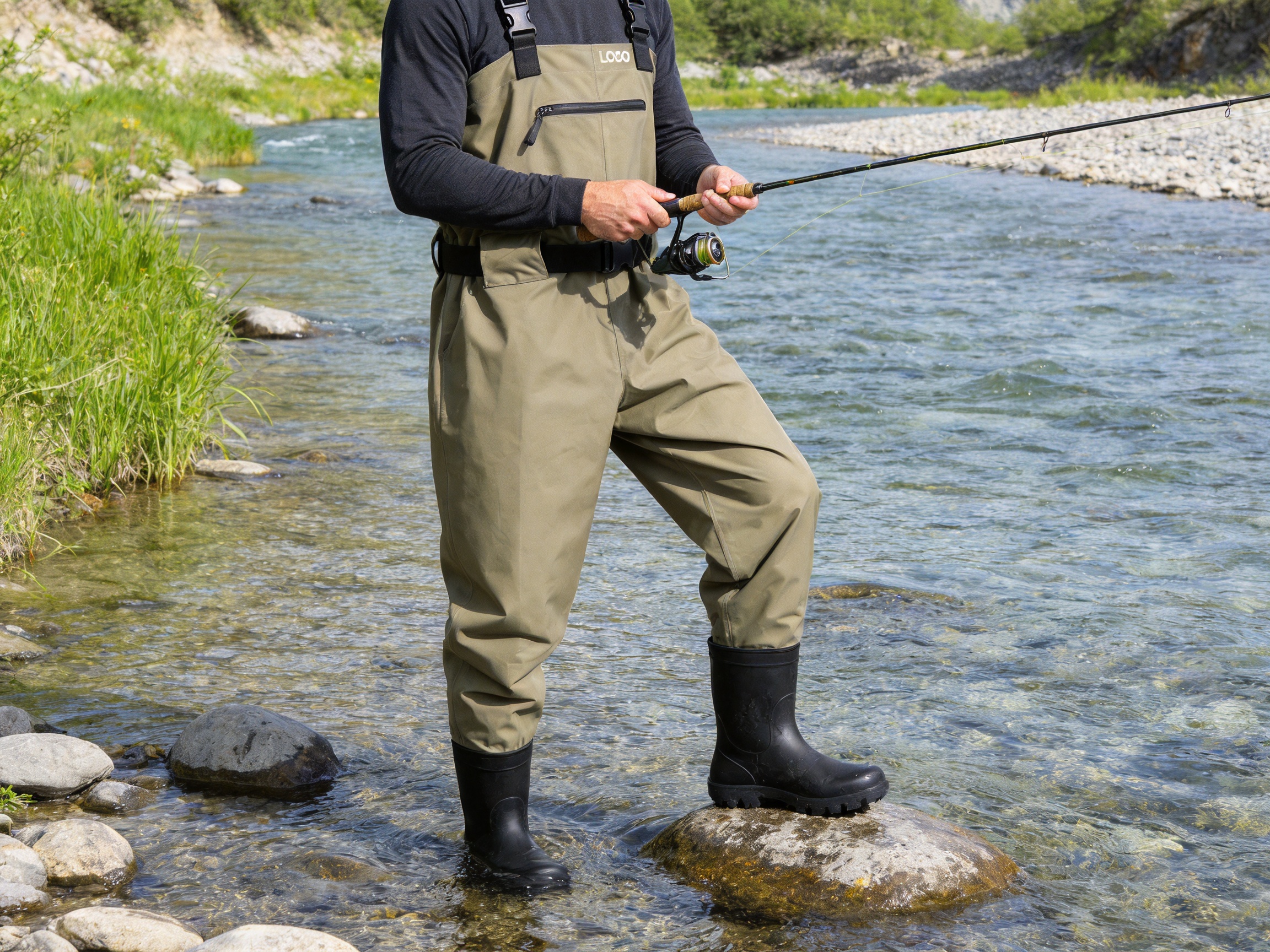
Bootfoot Construction and Riverbed Traction
The attached bootfoot is one of the defining features of this chest wader. Instead of combining separate stockingfoot waders with external fishing boots, the boot and wader body are connected as a single unit. This simplifies preparation and reduces the possibility of water entering through a separate boot-and-wader interface.
The integrated construction is also convenient for wholesale and retail customers. A complete bootfoot wader package is easier for new anglers to understand because it does not require them to select compatible footwear separately. Retailers can offer a ready-to-use product, while users can move directly from storage to the water without assembling multiple pieces of equipment.
Anti-Slip Rubber Outsole
Riverbeds are often covered with wet stones, mud, sand, algae, and loose gravel. A smooth sole can make walking difficult and increase the risk of slipping. The heavy-duty rubber anti-slip outsole is designed to improve contact with the ground and provide more dependable traction during shallow-water wading.
Traction performance varies according to the surface, water speed, algae coverage, and walking technique. Users should still move carefully, test each step, and use a wading staff when appropriate. The outsole is a support feature, not a replacement for safe wading practices.
Durability at the Boot Connection
The boot-to-wader connection is a high-stress area because it experiences bending, walking, water pressure, and contact with stones. A reliable manufacturing process is therefore essential. The integrated structure must be formed and sealed consistently so that the connection remains waterproof while allowing normal movement.
Quality control should include visual inspection, seam inspection, boot alignment checks, and waterproof testing. Consistent production methods help reduce variation between units, which is particularly important for distributors and private-label buyers ordering large quantities.
Functional Design for Fishing and Outdoor Use
Adjustable Nylon Suspenders
Adjustable suspenders support the wader body from the shoulders and allow the fit to be changed for different body shapes and clothing layers. This is important because anglers may wear a lightweight shirt in warm weather or add insulating layers during cooler mornings.
The suspenders are equipped with quick-release buckles to make putting on and removing the waders easier. A practical suspension system should remain secure during walking but still allow the user to release the straps quickly when changing clothes, taking a break, or responding to changing conditions.
Detachable Waist Belt
The detachable waist belt helps hold the wader body closer to the wearer and can reduce excessive water movement inside the garment. When entering flowing water, a properly adjusted belt may help reduce the amount of water that can flush through the upper opening if the wearer steps into a deeper section or encounters a stronger current.
Because the belt is detachable, users can remove it for storage, cleaning, or personal preference. It also provides an additional adjustment point without making the wader permanently restrictive. The belt should be snug but not overly tight, allowing normal breathing and movement.
Waterproof Zipper Chest Pocket
The waterproof zipper chest pocket provides a secure location for small items such as line cutters, pliers, hooks, fishing licenses, a phone, or other accessories. Keeping frequently used tools near the chest reduces the need to carry a separate bag or repeatedly reach into a backpack.
The pocket is intended for small gear and should not be overloaded. Users should close the zipper fully before entering the water and should avoid assuming that every stored item is completely protected under prolonged submersion. Like any waterproof pocket, its performance depends on zipper condition, proper closure, and regular inspection.
Loose Ergonomic Cut
The loose cut is designed to provide space for movement rather than creating a close-fitting silhouette. This is especially useful when the wearer needs to step over rocks, kneel to release a fish, climb a bank, or walk through vegetation. Extra room can also accommodate seasonal base layers without significantly restricting movement.
A roomy pattern does not mean the wader should be excessively large. Correct sizing remains important. Suspenders and the waist belt should be adjusted so the wader remains stable while the legs retain enough space for comfortable movement.
Advantages Compared with Conventional Wader Options
Different wader materials and configurations serve different purposes. Heavy neoprene waders may be preferred in cold water because they provide thermal insulation. Breathable multilayer waders may be selected for intensive use in changing climates. PVC waders are often valued for their low cost and strong waterproof barrier. The 1mm TPU bootfoot wader occupies a useful position for warm-season, lightweight, and general-purpose applications.
Compared with Heavy Neoprene Waders
Neoprene is effective when insulation is a primary requirement, but thick neoprene can be warm, heavy, and less compact. For spring and summer fishing, the thermal properties of thick neoprene may be unnecessary. The 1mm TPU design offers less insulation but greater lightness and packability.
Anglers who fish cold lakes, winter rivers, or icy conditions should select equipment appropriate to the environment and wear suitable thermal layers. For warm-weather stream fishing and shallow-water activities, however, a lightweight TPU model can reduce overheating and fatigue.
Compared with Standard PVC Waders
PVC waders are widely used because they can provide a strong waterproof barrier at a competitive price. However, some PVC constructions may feel stiff, have a stronger plastic odor, and become less flexible in lower temperatures. TPU laminated fabric is intended to offer a softer hand feel, improved flexibility, lower odor, and better foldability.
The advantage is especially noticeable for users who hike with their waders, fold them frequently, or need to make repeated bending movements while fishing. TPU is not simply a marketing alternative to PVC; it is a material choice that supports a different balance of comfort, mobility, and outdoor usability.
Compared with Stockingfoot Waders
Stockingfoot waders provide flexibility in footwear selection because anglers can choose boots suited to specific terrain. However, they require an additional purchase and involve more preparation. Bootfoot waders offer convenience, faster setup, and a complete integrated system.
The bootfoot format is particularly suitable for rental programs, entry-level fishing packages, outdoor retailers, and users who prefer simple equipment. It can also reduce the risk of selecting an incompatible boot size or using footwear that does not properly support the wader sock.
| Comparison Factor | 1mm TPU Bootfoot Wader | Heavy Neoprene Wader | Traditional PVC Wader | Stockingfoot Wader |
|---|---|---|---|---|
| Warm-weather comfort | High suitability | May feel warm | Varies by construction | Depends on fabric and layers |
| Weight | Lightweight | Generally heavier | Medium to heavy depending on thickness | Varies |
| Flexibility | Soft and flexible | Can be restrictive | May be relatively stiff | Usually flexible |
| Thermal insulation | Limited | High | Limited | Depends on material |
| Footwear requirement | Boots integrated | Boots integrated or separate | Often integrated | Separate wading boots required |
| Packability | Easy to fold | Bulkier | Varies | Varies |
| Best use direction | Warm-season fishing and shallow wading | Cold-water fishing | General waterproof work and fishing | Users needing customizable footwear |
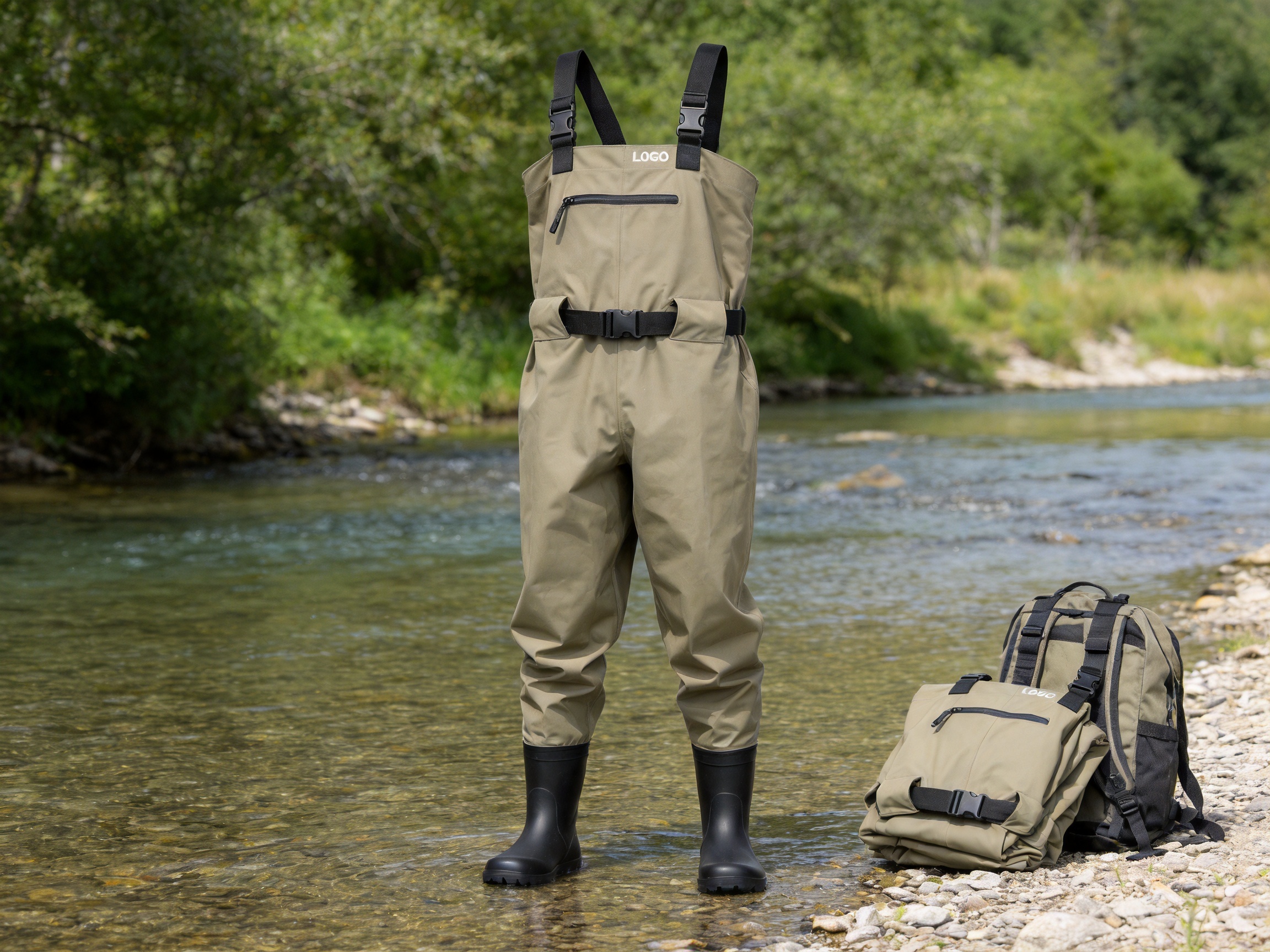
Manufacturing Expertise Behind the Product
A wader is more than a sheet of waterproof material. Its performance depends on material preparation, pattern accuracy, cutting, joining, seam sealing, hardware attachment, boot integration, and final inspection. Each stage affects whether the finished product is comfortable, waterproof, durable, and consistent from one unit to the next.
Jiangsu Yiheng Sports Products Co., Ltd. began its manufacturing journey in 2008. Over more than 15 years of production experience, the company has developed expertise in neoprene materials and finished outdoor products. Its broader product range includes wetsuits, drysuits, fishing waders, rash guards, water sports equipment, and neoprene fabrics.
The company also has direct retail-market experience, allowing it to understand not only how products are manufactured but also how they are used and evaluated by end customers. This combination of factory knowledge and market awareness can support product development that focuses on practical features, customer expectations, and commercial usability.
Material Preparation and Lamination
The first manufacturing consideration is the preparation of the TPU laminated fabric. Material thickness, surface quality, flexibility, and bonding consistency must be controlled before the fabric reaches the cutting stage. A uniform laminated structure supports more predictable waterproof performance and helps the finished wader maintain a consistent appearance.
Material inspection should identify visible defects, uneven coating, contamination, weak bonding, and irregular thickness. Proper storage is also important because excessive heat, pressure, moisture, or folding during storage can affect fabric performance before production begins.
Pattern Development and Cutting
Chest waders must provide enough room for movement while maintaining a practical shape around the torso, legs, and boot connection. Pattern development therefore requires attention to body proportions, ease allowance, seam placement, and the relationship between the upper body and footwear.
Accurate cutting helps control the final fit and reduces material waste. Consistent panels also make assembly more reliable. For buyers requesting private-label products or customized sizing, pattern development can be adjusted to support different target markets, regional size systems, color directions, and retail positioning.
Seam Joining and Hot Pressing
Seams are among the most important waterproof components in any wader. Even when the main fabric is highly water resistant, an improperly joined seam can create a leakage path. Hot-pressed seam sealing helps close the joined areas and creates a continuous barrier against water penetration.
The quality of hot pressing depends on factors such as temperature, pressure, dwell time, material compatibility, and operator control. Consistency across these variables is essential. Too little heat or pressure may result in incomplete bonding, while excessive heat may damage the fabric or reduce flexibility.
A professional production process should include visual seam inspection and functional testing. Areas requiring special attention include the crotch, inner leg, chest pocket, suspenders, waist belt attachments, boot connection, and any transitions between materials of different thicknesses.
Boot Attachment and Hardware Installation
The rubber bootfoot must be aligned correctly with the wader legs so that the user can walk naturally and maintain proper balance. Hardware such as suspenders, quick-release buckles, waist belt loops, and pocket components must be attached securely without creating unnecessary stress points.
Hardware installation is also important for the product’s user experience. Buckles should operate smoothly, strap adjustments should be intuitive, and the waist belt should remain stable during movement. These seemingly small details influence how customers judge the quality of the entire product.
Inspection and Quality Control
Final inspection should cover appearance, dimensions, material condition, seam quality, boot construction, hardware function, zipper operation, and general cleanliness. Waterproof testing can help identify leakage that may not be visible during a simple visual check.
Quality control is especially important for international wholesale orders because buyers need consistent products across production batches. A reliable supplier should be able to communicate specifications clearly, maintain approved samples, control changes, and respond effectively to quality feedback.
Private Label and OEM/ODM Potential
The 1mm TPU chest wader is suitable not only as a standard product but also as a platform for private-label and customized outdoor equipment programs. Retailers, fishing brands, distributors, promotional companies, and outdoor service providers may require products that reflect their own market position.
Private-Label Branding
Private-label buyers can develop a product identity through selected colors, labels, packaging, hangtags, size markings, and instruction materials. Khaki and tan are appropriate for natural outdoor environments, but color options may be adjusted according to the buyer’s collection or brand style.
Branding should be planned together with the manufacturing process. Logo placement must avoid areas exposed to repeated bending or high abrasion. Labels should be readable, secure, and compatible with the material. Packaging should protect the waders during transportation while maintaining a compact presentation for retail or warehouse storage.
ODM Product Development
Original design manufacturing may involve adjustments to pocket configuration, suspension systems, color combinations, outsole patterns, waist support, or sizing. Different customer groups may require different features. For example, a fly-fishing retailer may prioritize tool storage, while an outdoor workwear distributor may emphasize durability and easy cleaning.
Product development should begin with a clear technical specification. Important details include target users, intended water depth, climate, size range, fabric thickness, boot sole requirements, pocket capacity, packaging, testing expectations, and estimated order quantity. Clear specifications reduce confusion during sampling and production.
Supply Support for Different Markets
Yiheng’s product experience across water sports and outdoor categories provides a foundation for supporting customers with related product programs. A buyer may source waders together with wetsuits, drysuits, rash guards, neoprene accessories, or other water sports equipment to create a coordinated collection.
A multi-category manufacturing partner can help simplify communication, consolidate product planning, and create consistent quality expectations across several types of water sports products. For distributors, this can support a broader assortment without requiring separate suppliers for every category.
Recommended Applications
Fly Fishing
Fly fishing often requires anglers to stand in moving water while making repeated casting movements. The lightweight construction and loose cut allow the wearer to walk, turn, bend, and cast with less restriction. The chest pocket can hold small tools, while the integrated boots simplify preparation before entering the stream.
Stream Fishing
Stream fishing involves changing terrain, slippery stones, shallow pools, and uneven banks. The anti-slip rubber outsole supports careful movement, while the chest-high design protects the wearer when stepping into deeper sections. The flexible TPU body is useful for anglers who move between multiple fishing locations during one outing.
Shallow-Water Wading
For shallow-water activities, a heavy insulated wader may provide more protection than necessary. The 1mm TPU model offers a lower-bulk alternative for warm conditions. It can be used in streams, ponds, marsh edges, and other environments where waterproof lower-body coverage is needed without substantial thermal insulation.
Outdoor Exploration
These waders can also serve hikers, photographers, environmental survey teams, and outdoor explorers who need to cross wet ground or shallow water. The foldable design is valuable when the garment is carried as a backup and worn only when terrain conditions require it.
Rental and Recreational Programs
Because the bootfoot design combines the wader and footwear in one product, it may be practical for fishing schools, outdoor centers, rental operations, and guided recreation programs. A simplified equipment system can reduce the time required to prepare participants and minimize compatibility problems between separate wader socks and boots.
Care, Storage, and Service Life
Proper care helps preserve waterproof performance and extend the useful life of any wader. After use, rinse off mud, sand, salt, and plant material with clean water. Do not allow abrasive particles to remain around the zipper, boot connection, or seam areas.
The waders should be dried thoroughly before storage. Hang them in a cool, shaded, well-ventilated area and avoid prolonged exposure to intense direct sunlight or excessive heat. Folding and storing wet waders can encourage odor and may affect materials over time.
When folding the garment for transport, avoid sharp creases in the same location every time. A loose fold is preferable to forcefully compressing the waders under heavy equipment. Keep the boots clean and inspect the outsole for embedded stones or damage.
Before each trip, check the following areas:
· The main fabric for punctures, cuts, or abrasions.
· The seams for lifting, separation, or visible damage.
· The boot-to-wader connection for cracks or loose areas.
· The zipper pocket for correct closure and smooth operation.
· The suspenders, buckles, and waist belt for secure attachment.
· The outsole for excessive wear or reduced traction.
Small issues should be addressed before the waders are used in deep or moving water. Users should never rely on damaged equipment in conditions where a leak could create a safety risk.
Safe Wading Practices
Waterproof waders protect the wearer from wet conditions, but they do not eliminate the risks associated with rivers and streams. Users should understand the depth, current, weather, and bottom conditions before entering the water.
Move slowly and take short steps on slippery surfaces. Test the stability of each step before transferring full body weight. Avoid crossing water that is too deep, too fast, or visibly unstable. A wading staff can provide an additional point of contact and improve balance.
The waist belt should be worn and adjusted securely. Suspenders should be set so the waders remain stable without creating pressure on the shoulders. Users should avoid overloading the chest pocket because excessive weight can affect balance and place additional stress on the zipper or fabric.
In cold conditions, a 1mm TPU wader should be combined with suitable thermal clothing, or a warmer wader system should be selected. The thin material is designed primarily for lightweight waterproof protection and is not intended to replace insulated equipment in cold water.
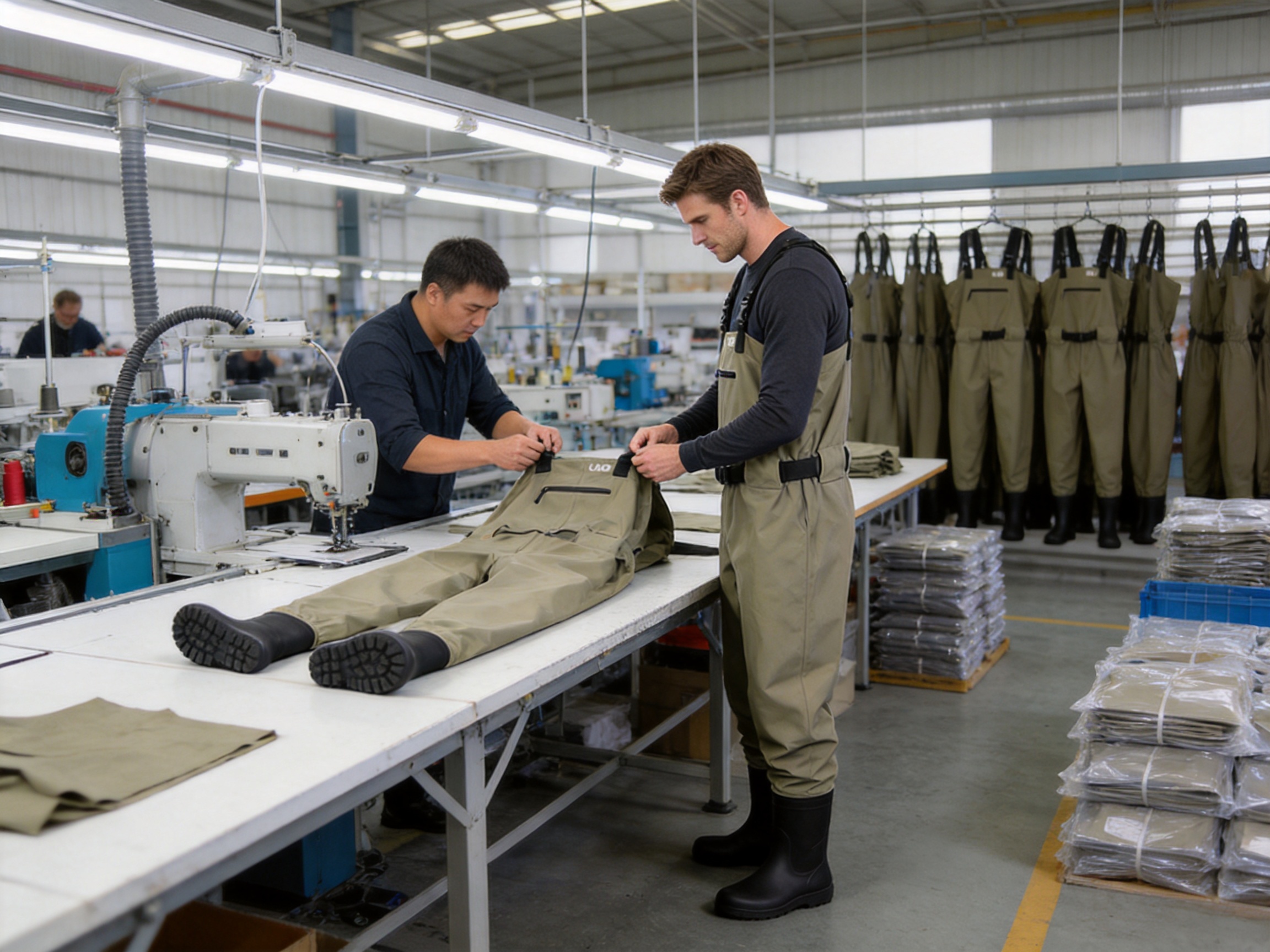
Buyer’s Guide for Wholesale and Retail Customers
Buyers evaluating this product should consider more than fabric thickness. The intended market, climate, size range, boot specifications, packaging, and order requirements all influence the best configuration.
Define the Target User
Determine whether the product is intended for recreational anglers, professional guides, outdoor workers, rental customers, or general consumers. Each user group may place different priorities on weight, durability, storage, colors, pocket design, and sizing.
Confirm Seasonal Positioning
This model is particularly suitable for spring, summer, and warm transitional seasons. It should be positioned as a lightweight and flexible wader rather than as a heavily insulated cold-weather product. Accurate product positioning helps reduce customer dissatisfaction and supports better retail communication.
Review Sizing and Fit
Chest waders require enough room for movement and clothing layers, but excessive looseness can reduce stability. Buyers should request a detailed size chart, boot size information, inseam measurements, chest measurements, and recommended height ranges. Sample testing by actual users is recommended before a large production order.
Evaluate Customization Requirements
Discuss colors, logo placement, labels, packaging, pocket design, outsole details, strap components, and size markings before sample approval. Changes introduced after production begins may increase cost or delay delivery.
Establish Quality Expectations
A technical agreement should describe acceptable material appearance, seam sealing, boot alignment, zipper function, strap strength, dimensions, and packaging condition. Approved samples should be retained as production references. Clear inspection standards help both buyer and manufacturer manage quality objectively.
Frequently Asked Questions
Q1: What is the main advantage of a 1mm TPU chest wader?
The main advantage is the balance between waterproof protection and low weight. The 1mm TPU laminated fabric is soft, flexible, foldable, and suitable for warm-season fishing and shallow-water activities. It provides a less bulky alternative to heavier wader constructions.
Q2: Are these waders suitable for winter fishing?
They are not primarily designed as insulated winter waders. The 1mm material provides limited thermal protection. For cold water or winter fishing, users should select a warmer wader system or combine appropriate insulating layers while carefully evaluating the environmental conditions.
Q3: Do the waders require separate fishing boots?
No. The rubber boots are integrated with the wader body. This bootfoot design provides a complete wearable system and eliminates the need to purchase separate stockingfoot wading boots.
Q4: Are the seams waterproof?
The waders use fully sealed, hot-pressed seams designed to help prevent water leakage. Users should still inspect the seams regularly and avoid exposing the garment to sharp objects or rough surfaces that could cause damage.
Q5: What is the purpose of the waist belt?
The detachable waist belt helps secure the wader body around the wearer and may reduce water flushing when wading. It also provides an additional fit adjustment point and can be removed when the user prefers a simpler setup.
Q6: What can be stored in the chest pocket?
The waterproof zipper chest pocket is suitable for small accessories such as pliers, hooks, line cutters, a phone, or fishing licenses. It should not be overloaded, and the zipper should be closed completely before entering the water.
Q7: Are TPU waders more flexible than traditional PVC waders?
TPU laminated fabric is generally selected for its soft and flexible feel compared with many conventional PVC constructions. Actual flexibility depends on thickness, fabric structure, temperature, and pattern design, but the 1mm construction is intended to support easy movement and folding.
Q8: Can the product be customized for private-label sales?
Private-label options may include colors, labels, packaging, logo placement, size markings, and selected design details. Buyers should provide their requirements during the sampling stage so the manufacturer can confirm feasibility, minimum order quantities, and production specifications.
Q9: What industries can use these waders?
Potential applications include recreational fishing, fly fishing, outdoor retail, fishing guide services, rental programs, outdoor exploration, environmental fieldwork, and water sports distribution. The most suitable use depends on local conditions and the buyer’s product positioning.
Q10: How should the waders be stored?
Rinse them after use, dry them completely in a cool ventilated location, and store them away from excessive heat, sharp objects, and prolonged direct sunlight. Avoid compressing wet waders or creating sharp repeated creases in the same area.
Q11: What manufacturing capabilities are important for this product?
Important capabilities include TPU laminated fabric handling, accurate pattern cutting, reliable hot-pressed seam sealing, boot integration, hardware installation, waterproof inspection, size control, and consistent final quality management. Experience with related wetsuit, drysuit, wader, and water sports products is also valuable.
Q12: Why work with an experienced water sports manufacturer?
An experienced manufacturer can provide more consistent material processing, construction, sampling, quality control, and product communication. A supplier with expertise across several water sports categories may also support coordinated product development and long-term supply planning.
Conclusion
The 1mm TPU bootfoot chest wader is designed for anglers and outdoor users who need reliable waterproof coverage without the bulk of heavy wader systems. Its lightweight TPU laminated fabric, flexible construction, integrated rubber boots, sealed seams, anti-slip outsole, adjustable suspenders, detachable waist belt, and waterproof chest pocket create a practical product for warm-season fishing and shallow-water exploration.
Its advantages are particularly clear for users who hike to fishing locations, pack equipment into backpacks, move frequently through streams, or prefer a simple bootfoot system. Compared with heavier neoprene products, it offers lower weight and less insulation. Compared with many conventional PVC products, it is intended to provide a softer, more flexible, and lower-odor experience. Compared with stockingfoot waders, it offers faster preparation and eliminates the need for separate wading boots.
Product performance depends not only on the selected fabric but also on manufacturing accuracy. Material inspection, pattern cutting, hot-pressed seam sealing, boot integration, hardware installation, and final waterproof checks all contribute to the reliability of the finished product. Jiangsu Yiheng Sports Products Co., Ltd. brings more than 15 years of production experience in neoprene materials and finished water sports products, supported by a factory of more than 15,000 square meters and a professional workforce of over 120 employees.
For wholesalers, retailers, outdoor brands, and private-label buyers, the product offers a commercially useful combination of practical features, manageable weight, flexible applications, and customization potential. With appropriate sizing, quality control, packaging, and market positioning, the 1mm TPU chest wader can serve as a strong addition to fishing and outdoor equipment collections.
References
1. Product specification information for 1mm TPU Bootfoot Chest Waders, including material, construction, accessories, outsole, and application details.
2. Manufacturer-provided company information concerning production history, factory area, employee base, product categories, and OEM/ODM capabilities.
3. General principles of waterproof garment construction, laminated textile performance, seam sealing, and outdoor equipment maintenance.
4. General guidance on fishing wader selection, safe shallow-water movement, footwear traction, and warm-season outdoor apparel.
5. General material reference information concerning thermoplastic polyurethane, PVC waterproof products, neoprene insulation, and flexible outdoor fabric construction.
Product: 1mm TPU Chest Waders | Lightweight Waterproof Fishing Bootfoot Waders

LET’S DEVELOP YOUR NEXT NEOPRENE PRODUCT LINE
Quick Links
Product Categories
Contact Us
-
 Email: postmaster@yihengsport.com
-
 Mobile: +86-13564100539
-
 No. 480 Jiangping Road, Madian, Binjiang Town, Taixing City, Taizhou City, Jiangsu Province, China.
Copyright © Jiangsu Yiheng Sports Products Co., Ltd. All Rights Reserved
China Wetsuit Manufacturer Neoprene Fabric Manufacturer
