

 Language
 English
 中文简体
 日本語
 русский
 Español
 عربى

Sep, 22, 2026
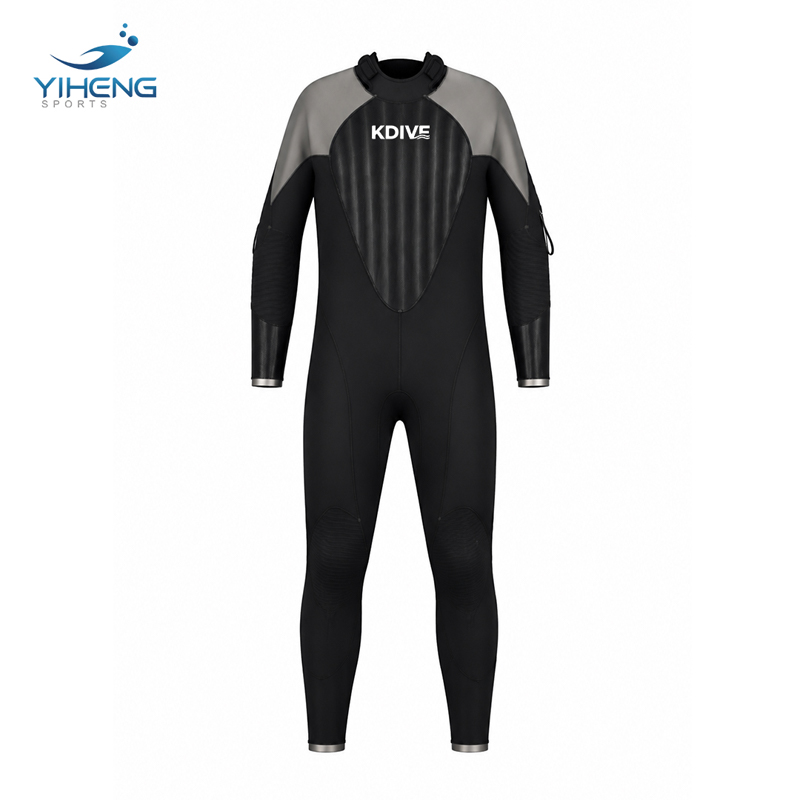
Men’s 3mm Neoprene Sleeveless Long John Wetsuit for Sailing and Diving
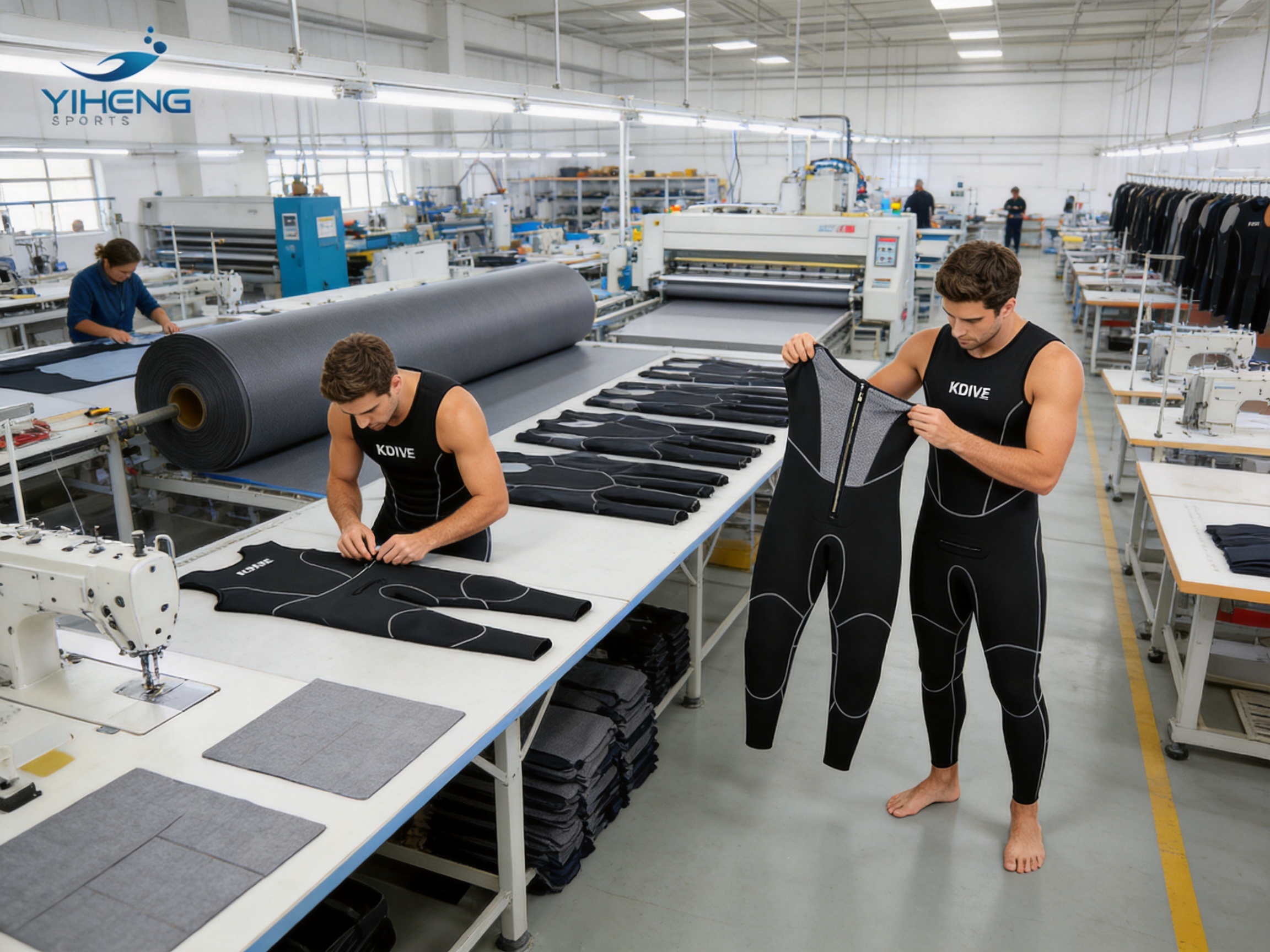
A dependable wetsuit must do more than keep the body warm. It must move naturally with the wearer, reduce water exchange, resist abrasion, remain comfortable during long sessions, and provide reliable performance in changing marine environments. The men’s 3mm neoprene sleeveless black and grey Long John wetsuit is designed around these practical requirements. Developed for sailing, diving, paddling, training, and other water sports, this one-piece sleeveless wetsuit combines flexible CR neoprene, a thermal brushed lining, reinforced wear areas, flatlock stitching, and a YKK drop-seat crotch zipper.
The design offers a useful balance between thermal protection and freedom of movement. Unlike a full-sleeve wetsuit, the sleeveless construction leaves the shoulders and arms unrestricted, making it easier to rotate the upper body, handle equipment, pull ropes, paddle, or perform repeated swimming movements. At the same time, the full-length legs and 3mm neoprene body help reduce heat loss through the torso and lower body.
Manufactured by Jiangsu Yiheng Sports Products Co., Ltd., the wetsuit reflects more than 18 years of experience in neoprene fabrics and finished water-sports products. The manufacturer operates a factory of more than 15,000 square meters and employs over 120 professional workers. Its capabilities cover material sourcing, neoprene lamination, product development, cutting, sewing, reinforcement, inspection, and OEM customization.
Product Overview
This product is a men’s sleeveless one-piece Long John wetsuit made with 3mm CR neoprene. Its black-and-grey appearance provides a practical, understated look suitable for individual users, clubs, rental fleets, outdoor brands, and private-label collections. The close-fitting structure is intended to remain near the skin without excessive bulk, helping limit water circulation inside the suit.
| Product Feature | Specification or Benefit |
|---|---|
| Product type | Men’s sleeveless one-piece Long John wetsuit |
| Primary applications | Sailing, diving, paddling, surfing, open-water training, and water sports |
| Main material | 3mm CR neoprene with high-stretch outer fabric |
| Inner construction | Brushed and fleece thermal lining |
| Color | Black with grey design elements |
| Seam construction | Four-needle six-thread flatlock stitching |
| Reinforcement | Diamond abrasion-resistant cloth at the knees and hips |
| Entry system | YKK drop-seat crotch zipper |
| Branding | Custom chest logo printing available |
| Manufacturer service | OEM, ODM, private-label, and long-term supply support |
The product is designed to support active use rather than simply provide basic insulation. Every major component serves a purpose: the outer fabric supports flexibility and helps manage surface water, the CR neoprene layer contributes insulation and buoyancy, the brushed lining improves warmth and comfort, and the reinforcement panels protect areas that commonly experience friction.
Why a Sleeveless Long John Design Is Practical
A Long John wetsuit covers the torso and legs while leaving the arms and shoulders exposed. This arrangement is especially useful for water activities involving frequent upper-body movement. Sailing requires reaching, pulling, steering, climbing, and balancing. Diving may involve repeated arm movement, equipment handling, and changes in body position. Paddling and kayaking depend heavily on shoulder rotation and elbow movement. In these situations, removing sleeve material can reduce restriction and make the suit feel less cumbersome.
The sleeveless form also offers layering flexibility. In warmer conditions, it can be worn as a stand-alone wetsuit. In colder environments, a rash guard, thermal top, windbreaker, or neoprene jacket can be added over or beneath it, depending on the user’s requirements. This makes the garment adaptable across seasons and activities.
Compared with short-leg or shorty wetsuits, the Long John format provides more coverage around the thighs, knees, calves, hips, and lower abdomen. These areas can lose heat during prolonged exposure to water. The full-length leg structure is also helpful when sitting on a board, kneeling in a boat, moving over a deck, or contacting equipment that may be cold or abrasive.
Compared with a full-suit design, the sleeveless shape can be lighter and more breathable around the shoulders. It can be easier to put on, especially when the wearer needs to change quickly at a marina, beach, dive center, or training location. The result is a versatile middle ground between maximum coverage and unrestricted movement.
Three-Layer Material Construction
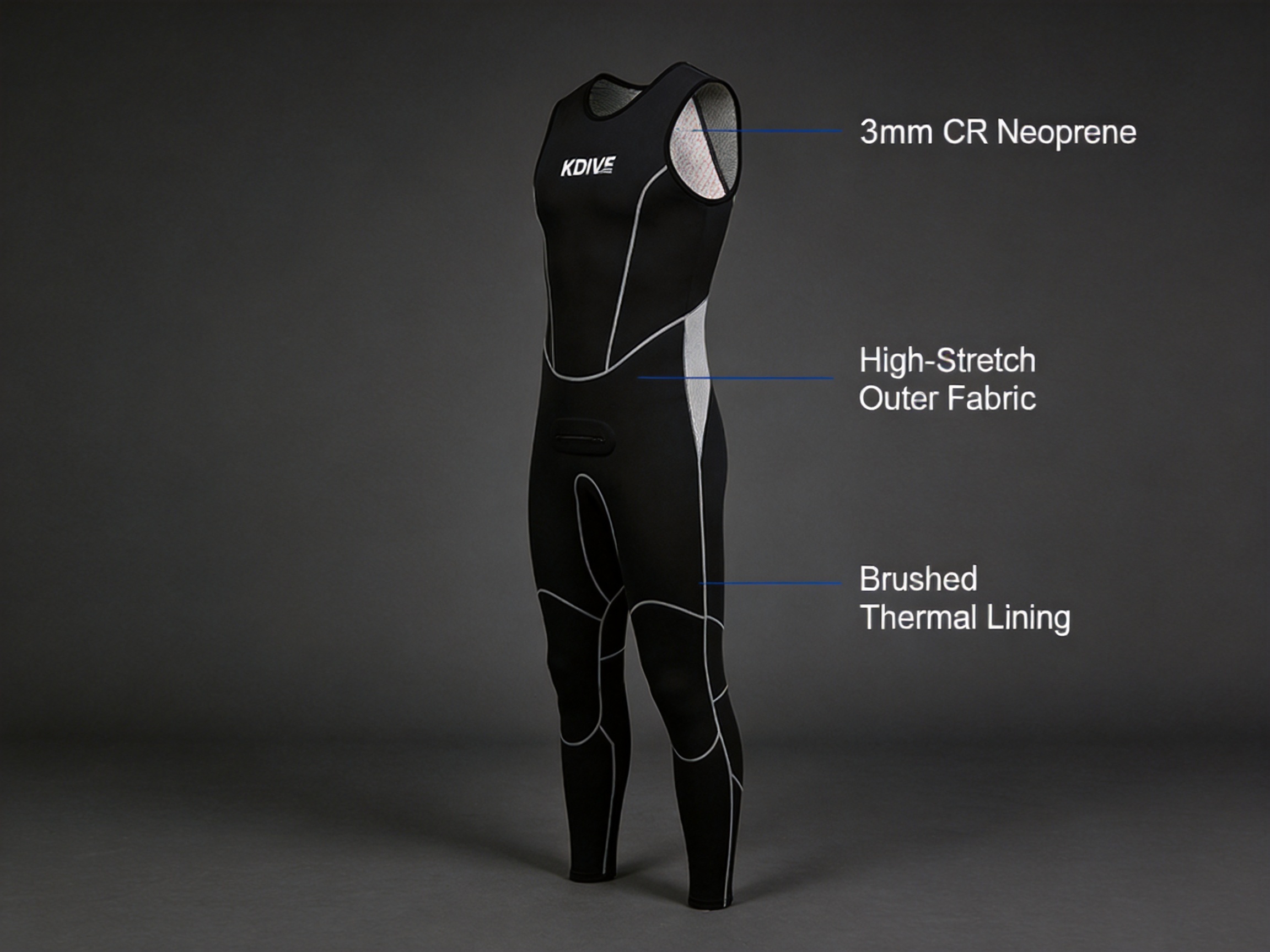
High-Stretch Outer Fabric
The outer layer uses a high-stretch composite fabric designed to follow body movement. A wetsuit must stretch around the chest, waist, hips, knees, and shoulders without developing excessive tension. If the outer surface is too rigid, the wearer may experience resistance during bending or rotation. If it stretches unevenly, the suit may create pressure points or loose folds.
The selected surface fabric works together with the neoprene core to create a flexible exterior. It helps the suit maintain a close profile and supports the body-contouring design. A close profile can reduce unnecessary water movement between the garment and skin, which is important because repeated cold-water exchange can reduce thermal comfort.
3mm CR Neoprene Core
CR neoprene is the primary insulating material in the wetsuit. Its closed-cell structure helps limit water penetration and traps insulating gas within the material. The 3mm thickness provides a balance between warmth, flexibility, and manageable weight. It is suitable for users who require more protection than a thin rash guard can provide but do not want the bulk of a thicker cold-water suit.
Material thickness should always be selected according to water temperature, activity level, exposure time, wind, personal sensitivity to cold, and the use of additional layers. A 3mm suit is a versatile general-purpose option, but it is not intended to replace specialized heavy-duty cold-water equipment in every environment.
CR neoprene also contributes to resilience. It can repeatedly compress and recover as the wearer moves, sits, kneels, or enters and exits the water. Proper fit remains essential because even high-quality neoprene can be damaged by aggressive pulling, sharp objects, or incorrect sizing.
Brushed and Fleece Thermal Lining
The inner lining has a brushed and fleece-like finish that improves the next-to-skin experience. The soft surface helps reduce the rough sensation that can occur with unlined neoprene and creates a more comfortable interface during extended wear. It also supports thermal retention by helping hold a layer of warm air and reducing the impact of direct contact with colder material.
The lining is especially valuable for users who spend considerable time on the water. Sailing crews, diving students, instructors, fishing guides, and outdoor athletes may wear a wetsuit for hours, including periods when they are not actively swimming. A soft thermal lining can improve overall comfort during preparation, transit, and rest periods.
Thermal Protection and Water Isolation
The thermal performance of a wetsuit depends on more than material thickness. Fit, seam design, lining, movement, water temperature, wind, and exposure time all influence how warm a wearer feels. This model uses its three-layer construction to address several of these factors at once.
The outer fabric helps manage surface water flow. The neoprene interlayer reduces the movement of cold water through the body of the material. The brushed inner lining adds a warm, skin-friendly surface. When the suit fits correctly, these layers work together to reduce heat loss and improve comfort.
The close-fitting one-piece construction is also important. A loose wetsuit allows more water to circulate inside the garment, while an excessively tight suit can restrict breathing and movement. The ergonomic cut aims to maintain close contact without unnecessary pressure. This is one reason body measurement and size selection should be treated as important parts of product performance.
The sleeveless design does expose the arms and shoulders, so it should be selected for activities and conditions where that coverage level is appropriate. Many users choose a Long John suit because the torso and legs require insulation while the arms need maximum mobility. Others may combine the product with a neoprene top or technical outer layer when additional upper-body warmth is needed.
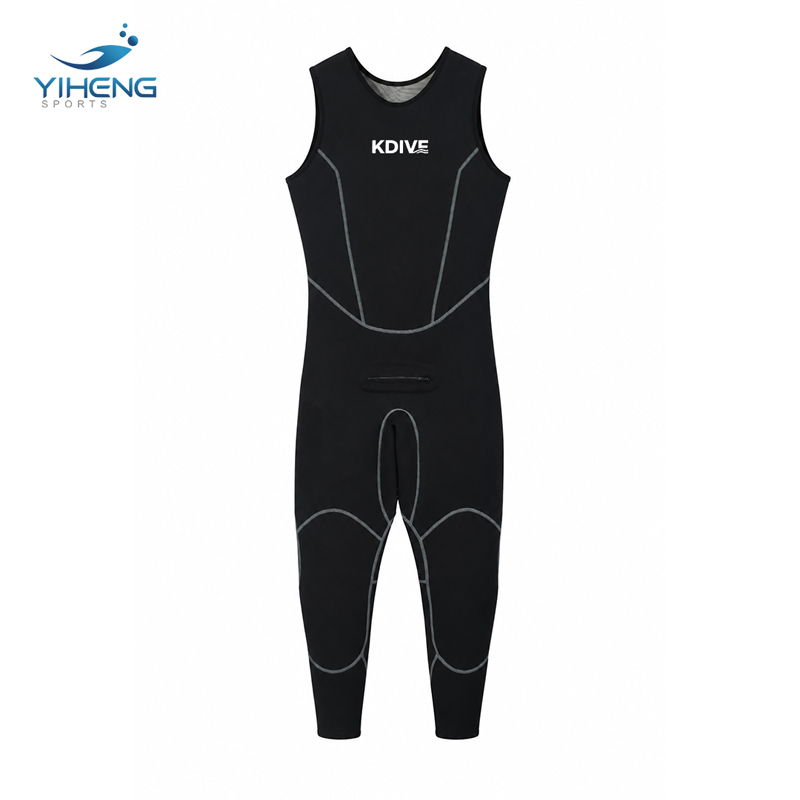
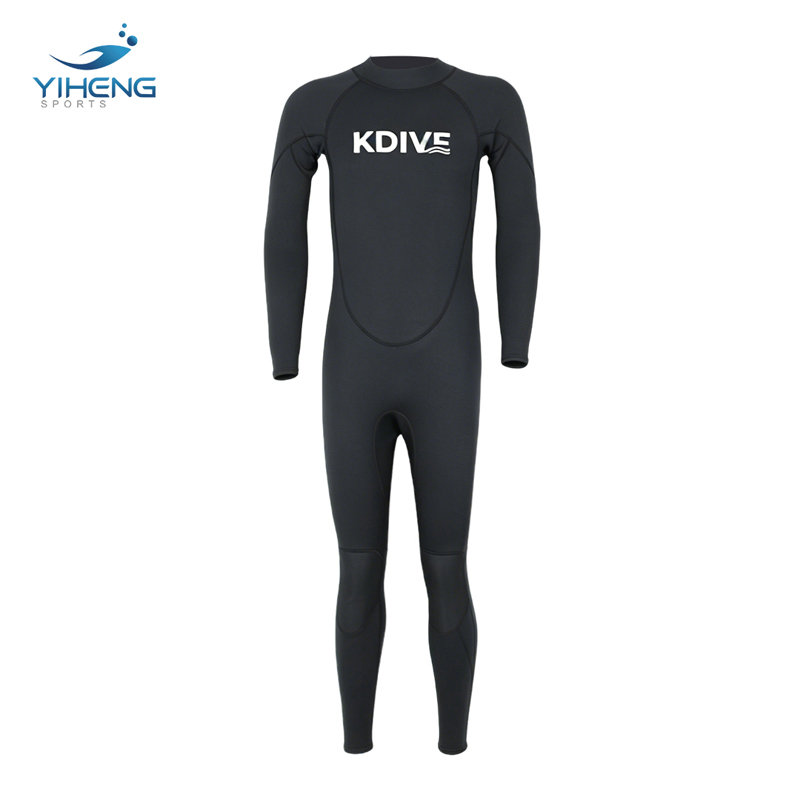
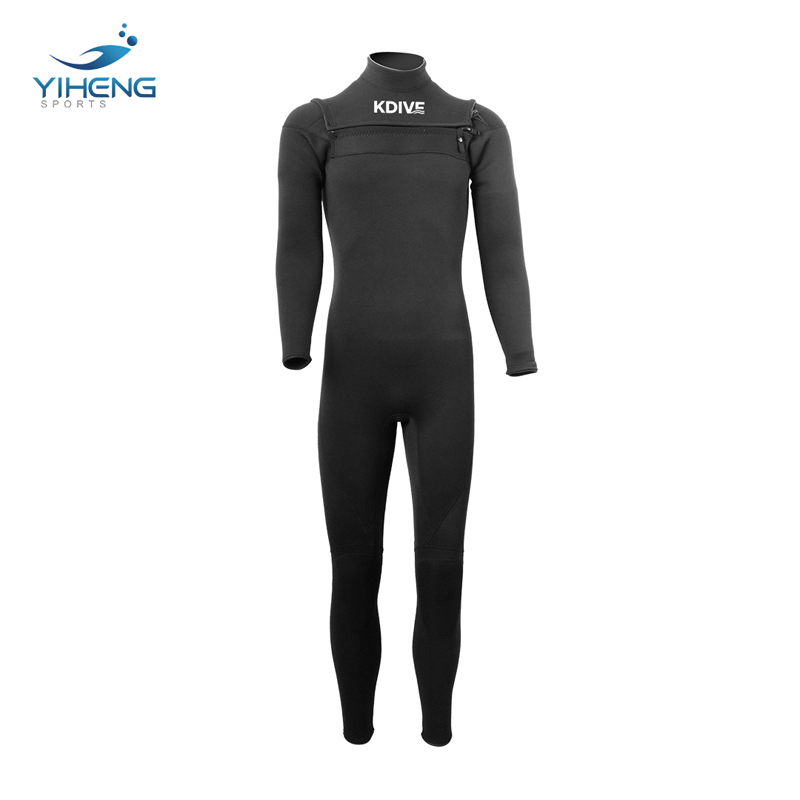
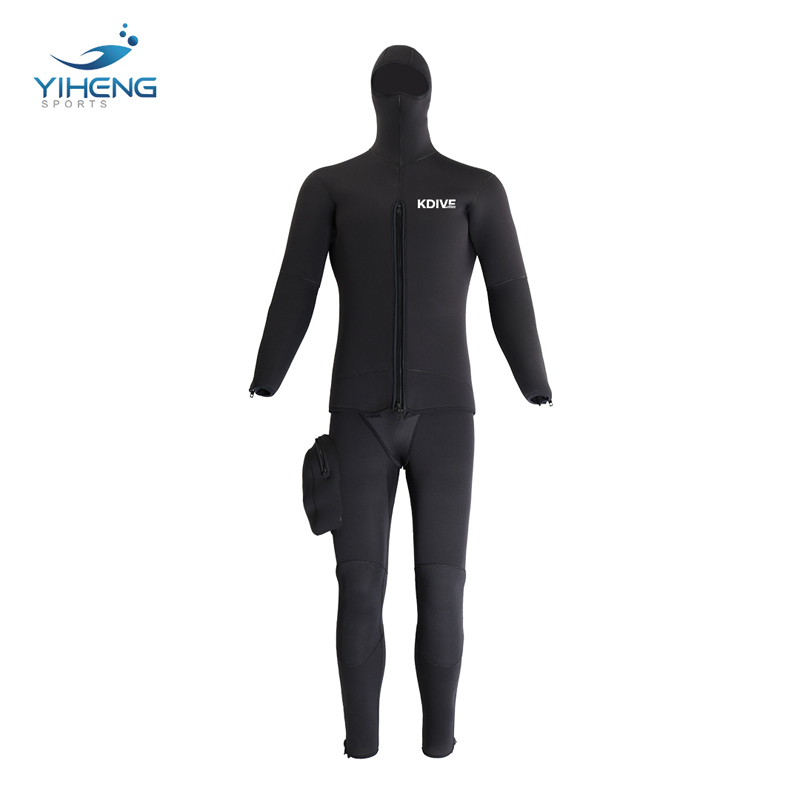
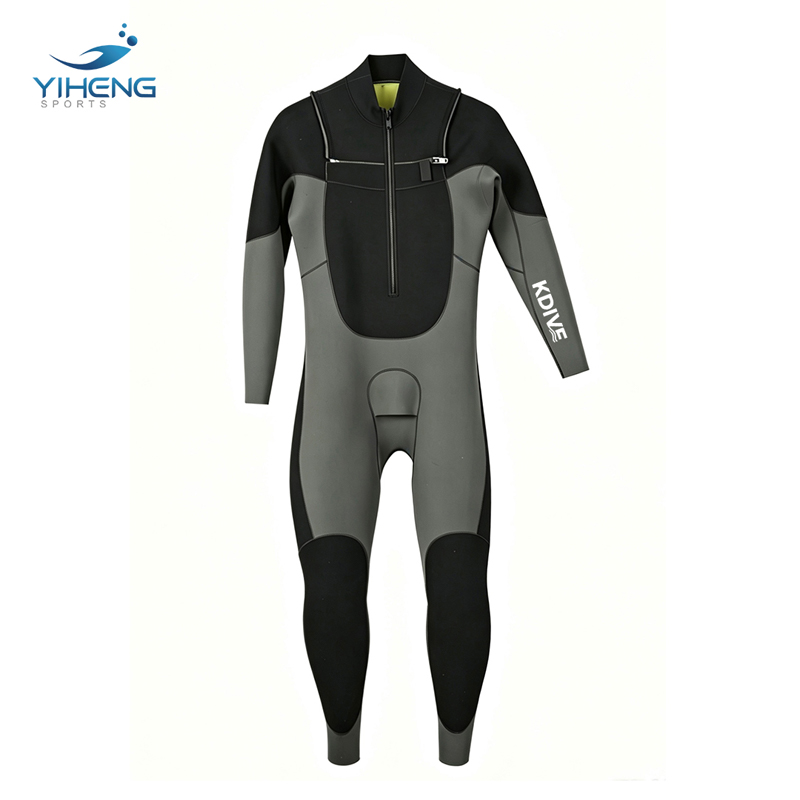
Men's 3mm Neoprene Sleeveless Black & Grey Long John Wetsuit for Sailing & Diving
Ergonomic Three-Dimensional Cutting
The wetsuit is developed with ergonomic three-dimensional sectional cutting. Instead of treating the garment as a flat tube, this approach considers the body’s curves and movement patterns. Panels are shaped around the torso, hips, knees, and other areas that bend or rotate during use.
A well-designed cut helps distribute tension across the garment. When the wearer bends the knees, kicks, rotates the hips, or leans forward, the material can extend in the direction of movement rather than pulling sharply from a single seam. This improves comfort and can reduce premature stress on stitching and fabric.
The one-piece sleeveless profile also minimizes unnecessary panel overlap. Less bulk can be beneficial when the wearer is seated in a sailboat, moving through a kayak cockpit, climbing onto a paddleboard, or carrying diving equipment. A lower-profile design may also reduce snagging on straps, harnesses, deck fittings, and other equipment.
Movement Benefits for Sailing
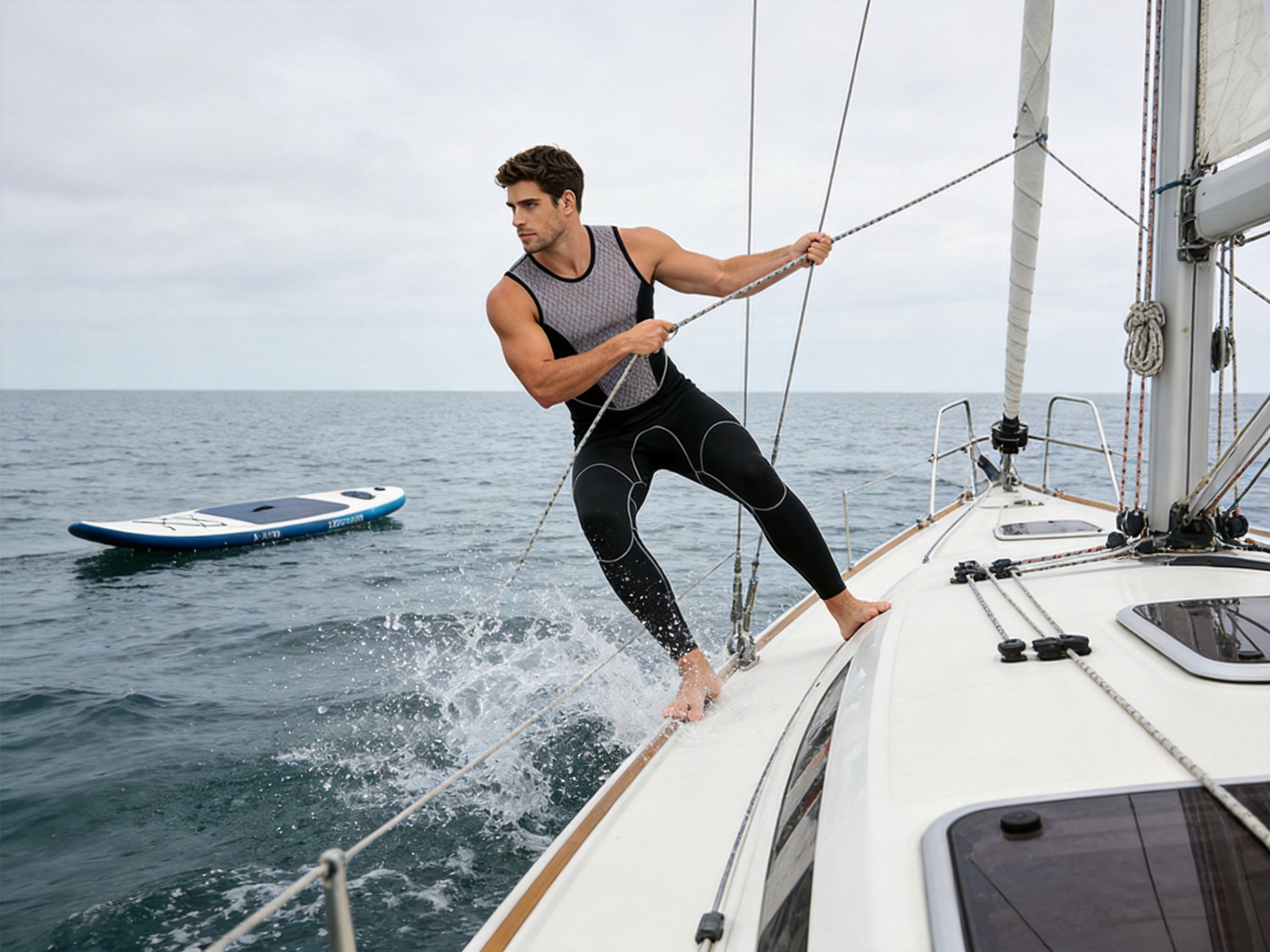
Sailing combines static exposure with sudden movement. A crew member may sit in a fixed position for an extended period and then need to move rapidly when adjusting a line, changing position, or responding to wind and waves. The Long John structure provides insulation around the core and legs while leaving the arms free for rope work and balance.
The sleeveless cut can also be used beneath a sailing jacket. This combination allows the user to select the upper-body protection needed for wind and spray without creating the restrictive feeling of multiple heavy sleeves. The smooth outer profile can make layering easier, although compatibility should always be checked with the chosen outer garment.
Movement Benefits for Diving
For recreational and training divers, flexibility around the hips, knees, and shoulders can make entry, finning, surface swimming, and equipment handling more comfortable. The full-length legs help protect the lower body from cold water and incidental contact with boat seats, platforms, or training surfaces.
The sleeveless form can be suitable for divers who prefer a separate upper layer or who require more shoulder mobility. However, diving conditions vary significantly. Water temperature, depth, current, duration, and equipment configuration should be considered before selecting a 3mm sleeveless suit.
Movement Benefits for Other Water Sports
The product can also support kayaking, canoeing, paddleboarding, rowing, surfing in moderate conditions, open-water swimming training, and general water recreation. The key advantage is the combination of leg and torso coverage with reduced restriction around the shoulders and arms.
Because each activity places different demands on the suit, users should examine the garment’s fit while performing the movements associated with their sport. A suitable wetsuit should allow a comfortable range of motion without excessive folding behind the knees, pulling at the crotch, or compression across the chest.
Seam Engineering: Four-Needle Six-Thread Flatlock Stitching
The wetsuit uses four-needle six-thread flatlock stitching. This seam construction is designed to create a smooth, relatively flat connection between panels. Compared with bulky raised seams, flatlock seams can reduce rubbing and improve comfort when worn close to the skin.
Seam quality is a major factor in wetsuit performance. Seams experience repeated stretching, compression, bending, and exposure to water. Poorly controlled thread tension can cause puckering, gaps, or uneven stress. Precise multi-needle stitching helps create a consistent seam structure across the product.
Flatlock construction also supports mobility. When a seam lies flatter against the body, it is less likely to form a hard ridge beneath another garment, harness, life jacket, or equipment strap. This is particularly useful for sailors, divers, and paddlers who wear additional technical equipment.
Although flatlock seams are designed for comfort and flexibility, users should understand that no seam system makes a wetsuit completely waterproof under all conditions. A wetsuit is intended to manage water exposure and retain body heat, not function as a drysuit. Correct fit, careful handling, and appropriate use remain essential.
Reinforced Knees and Hips
The knees and hips are among the most frequently exposed areas of a wetsuit. They may contact sand, boat decks, rocks, boards, benches, diving platforms, or equipment. To address these stress points, the product includes diamond abrasion-resistant cloth on the knees and hips.
The reinforcement has two primary functions. First, it helps reduce surface damage caused by rubbing. Second, it adds additional durability to areas that repeatedly flex and bear contact. This can be especially valuable for users who kneel while adjusting equipment, sit on rough surfaces, or move across a boat during active sailing.
The reinforced areas are integrated into the overall garment structure rather than treated as an afterthought. Their placement reflects common wear patterns in water sports. By concentrating protection where abrasion is most likely, the product can remain flexible in less demanding areas while offering additional durability in high-contact zones.
Reinforcement does not make the suit immune to punctures or cuts. Sharp shells, hooks, fins, rocks, metal edges, and careless fingernails can still damage neoprene. The best service life is achieved when the suit is put on carefully, rinsed after use, dried correctly, and stored away from sharp or heavily compressed objects.
YKK Drop-Seat Crotch Zipper
The YKK drop-seat crotch zipper supports easier entry and removal. Zippers in a full-length wetsuit must be positioned carefully because they can influence fit, comfort, and convenience. The drop-seat arrangement provides practical access without requiring the wearer to remove the entire upper section of the suit.
The zipper is also designed to remain relatively unobtrusive when worn close to the skin. This helps reduce discomfort during sitting, paddling, sailing, or movement across a boat. The zipper’s quality is important because repeated opening and closing can place stress on the surrounding neoprene and stitching.
Users should avoid forcing the zipper if the panels are misaligned or if sand and debris are present. Opening and closing it gradually, keeping the zipper track clean, and using both hands to guide the garment can help preserve the zipper and surrounding seams. Proper care is particularly important in rental, team, and commercial environments where the product may experience frequent use.
Advantages Compared with Basic Competitor Models
Many entry-level wetsuits focus on low purchase cost and simplified construction. They may use thin or inconsistent materials, limited reinforcement, basic seams, or generic cuts. While such products can be suitable for occasional use, they may provide less comfort and durability during repeated water activities.
This Long John wetsuit offers several practical advantages over simpler alternatives:
More balanced thermal design: The combination of 3mm CR neoprene and a brushed thermal lining provides more than a single-layer stretch garment. It is designed to support warmth while maintaining flexibility.
Improved shoulder freedom: The sleeveless cut allows easier arm rotation than a full-sleeve design, which can benefit sailing, paddling, and equipment handling.
Targeted durability: Diamond cloth reinforcement at the hips and knees addresses common abrasion zones rather than adding unnecessary bulk everywhere.
Comfort-oriented seams: Four-needle six-thread flatlock construction creates smooth, flexible seams suited to next-to-skin wear.
Practical entry system: The YKK drop-seat crotch zipper makes the suit easier to put on, remove, and manage during extended outings.
OEM readiness: Custom chest logo printing supports private-label programs, team apparel, rental operations, and branded water-sports collections.
Manufacturing depth: The supplier’s experience in both neoprene materials and finished products allows customers to work with a manufacturer familiar with the full product chain rather than a company focused only on final assembly.
These advantages do not mean that one wetsuit is suitable for every person or every water temperature. Instead, they show how the product is engineered as a complete system. Material, pattern, seams, reinforcement, hardware, and customization options work together to create a more useful product than a basic unreinforced suit.
Manufacturing Capabilities and Production Strengths
The manufacturer has developed its business around neoprene materials and finished products. This specialization is significant because wetsuit quality depends on the relationship between raw materials, lamination, pattern engineering, sewing, finishing, and inspection.
A factory with experience in both neoprene fabric and finished garments can evaluate material behavior earlier in the development process. Stretch direction, thickness consistency, surface finish, lining compatibility, adhesive performance, and cutting stability all affect the final garment. Understanding these factors helps reduce the risk of designing a product that looks correct on paper but performs poorly during assembly or use.
Material and Lamination Knowledge
Neoprene products often use a composite structure rather than a single material. The outer fabric, neoprene core, and inner lining must bond evenly while preserving stretch and recovery. Excessive adhesive can make the material stiff. Insufficient bonding can lead to delamination. Uneven pressure or temperature can create weak areas or inconsistent thickness.
Manufacturing experience allows the production team to control these relationships more effectively. Material inspection can identify visible defects, uneven surfaces, or irregular bonding before panels reach the sewing stage. Consistent raw material handling is important for both appearance and performance.
Pattern Development and Cutting
Accurate cutting is central to a well-fitting wetsuit. Each panel must follow the intended pattern dimensions and grain direction. If a stretch fabric is cut incorrectly, the garment may stretch more in one direction than another, affecting fit and movement. Poor cutting can also create excessive waste and make size consistency difficult.
Three-dimensional pattern development helps translate body measurements and movement requirements into practical panels. The cutting process must preserve the design’s ergonomic intentions, including knee shaping, hip fit, torso contour, and crotch comfort.
Sewing and Seam Control
Wetsuit sewing requires different handling from ordinary apparel production. Neoprene can stretch, compress, and resist the needle differently from standard woven fabrics. Operators must manage panel alignment, thread tension, stitch density, and seam allowance with care.
The use of four-needle six-thread flatlock stitching requires suitable equipment and trained operators. Consistency is important because uneven seams can become visible, uncomfortable, or vulnerable to stress. Production teams must also inspect areas where multiple seams intersect, since these points can experience concentrated tension.
Reinforcement Application
Reinforcement panels must be positioned accurately and bonded or sewn securely. Misalignment can affect appearance, movement, or the intended protection zone. Proper reinforcement application requires attention to panel shape, edge finishing, stitch placement, and the transition between reinforced and unreinforced materials.
For the featured wetsuit, the knees and hips receive diamond abrasion-resistant cloth. These areas are selected according to typical use patterns in sailing, diving, and other water sports. The result is a targeted durability strategy that avoids making the whole garment unnecessarily heavy or rigid.
Finishing and Inspection
After assembly, the product should be checked for seam consistency, panel alignment, zipper operation, logo appearance, surface defects, and general symmetry. Inspection is especially important for OEM orders because brand customers need consistency across production batches.
Quality control may include checking garment measurements against approved specifications, examining the flatness and continuity of seams, operating the zipper repeatedly, reviewing reinforcement placement, and confirming that the finished product matches the approved sample. Packaging and labeling can also be coordinated for private-label programs.
OEM, ODM, and Private-Label Opportunities
The product includes the option for custom logo printing on the chest. This makes it suitable for companies that want to create a branded wetsuit range without building their own production facility. Outdoor retailers, dive schools, sailing clubs, sports distributors, rental operators, and water-sports brands can use this type of service to develop coordinated apparel programs.
OEM production generally involves manufacturing according to a customer’s specifications. These specifications may cover color, logo placement, size range, labels, packaging, stitching details, and quantities. ODM development may involve adapting an existing design or developing a product around a target market, use case, or brand identity.
For a successful private-label project, buyers should confirm the following details before production:
Material composition and neoprene thickness should be documented clearly.
Color standards should be approved using physical samples or agreed color references.
Logo dimensions, printing method, placement, and color should be confirmed in a production artwork file.
Size measurements should include chest, waist, hip, inseam, torso length, and other relevant points.
Seam construction, reinforcement materials, zipper specifications, labels, and packaging should be listed in the product specification.
Sample approval should take place before bulk production begins.
Inspection standards and acceptable tolerance ranges should be agreed in advance.
The manufacturer’s long-term supply orientation can benefit customers who require repeat orders rather than a single seasonal purchase. Consistency in material sourcing, pattern files, construction methods, and packaging is important when building a recognizable product line.
Recommended Applications
Sailing and Yacht Activities
The suit is appropriate for sailors who need torso and leg insulation without the restrictive feeling of full sleeves. It can be worn during training, coastal cruising, dinghy sailing, deck work, and recreational boating, provided the water and weather conditions match the protection level of a 3mm sleeveless wetsuit.
Recreational Diving
For suitable water temperatures, the product can serve recreational divers, students, and training programs that prioritize mobility. Its reinforced knees and hips are useful around boats, platforms, and equipment areas. Divers should select additional layers or a different suit thickness when conditions require more thermal protection.
Paddling and Kayaking
The sleeveless structure supports shoulder rotation during paddling. The full-length legs provide coverage when entering a kayak, sitting on a board, or contacting wet equipment. Users should make sure the suit does not bunch behind the knees or create pressure at the waist while seated.
Surfing and Board Sports
The suit can be useful for moderate-temperature surfing, stand-up paddleboarding, and related board activities. The reinforced hip and knee zones can help reduce wear caused by repeated kneeling, sitting, and board contact.
Fishing and Outdoor Water Recreation
Although fishing conditions vary, the product can support anglers who spend time wading, launching boats, or working around wet equipment. It should not be treated as a substitute for a specialized fishing wader when waterproof height, pocket design, or boot integration is required. Instead, it functions as a flexible thermal garment for appropriate situations.
How to Select the Correct Size
A wetsuit should fit close to the body without causing pain, restricted breathing, or numbness. The material should lie smoothly against the torso, waist, hips, and legs. Small wrinkles may indicate excess room, while severe bunching or strong pressure may indicate an incorrect size or body-shape mismatch.
When measuring, wear lightweight clothing or measure directly against the body. Important measurements usually include height, chest circumference, waist circumference, hip circumference, inseam, and torso length. Compare these measurements with the supplier’s size chart rather than selecting a size based only on usual clothing size.
Pay particular attention to the torso and crotch fit. A suit that is too short may pull at the shoulders and create discomfort around the crotch. A suit that is too long may fold excessively and allow additional water movement. The correct fit should allow normal breathing and movement, including bending the knees, rotating the hips, and reaching forward.
When trying on the suit, avoid using fingernails to pull the neoprene. Grip the material with the flat part of the fingers and distribute tension gradually. This reduces the risk of puncturing or tearing the surface.
Care and Maintenance
Rinse the wetsuit with clean, cool water after every use, especially after exposure to salt water, chlorine, mud, sand, or sunscreen. Salt and chemical residues can affect fabric, thread, zipper components, and the neoprene surface over time.
Allow the wetsuit to dry in a shaded, ventilated location. Prolonged direct sunlight can accelerate fading and material aging. Do not use a radiator, dryer, heater, or other high-temperature source to force drying. Excessive heat can damage adhesives, coatings, and neoprene elasticity.
Store the wetsuit on a wide hanger or folded loosely in a cool, dry place. Avoid narrow hangers that place concentrated stress on the shoulders. Do not leave the suit compressed beneath heavy equipment for extended periods.
Keep the zipper free from sand and grit. If the zipper becomes difficult to operate, inspect the track rather than forcing it. A damaged zipper can affect the surrounding neoprene and may require professional repair.
Small cuts should be addressed promptly with a suitable wetsuit repair product. Continuing to use a damaged suit can allow a minor defect to spread. Reinforced panels should also be checked periodically, particularly when the garment is used on rough surfaces or in commercial operations.
Quality and Sustainability Considerations
Longer product service life can reduce the frequency of replacement and improve the value of each garment. Reinforced contact zones, reliable stitching, suitable materials, and careful maintenance all contribute to durability. For business buyers, durability can also lower replacement costs in rental fleets, training programs, and team use.
Responsible production begins with consistent material planning and controlled manufacturing. Accurate cutting reduces unnecessary waste. Stable production processes reduce rejected units. Clear inspection standards help prevent defective products from reaching customers. Private-label buyers can also improve efficiency by confirming specifications early and avoiding repeated sample revisions.
End users can contribute by selecting the appropriate product for the intended activity, caring for it correctly, and repairing minor damage before it becomes severe. A wetsuit should be regarded as technical equipment rather than disposable fashion apparel.
Frequently Asked Questions
What is the main purpose of this wetsuit?
It is designed to provide flexible thermal protection for sailing, diving, paddling, board sports, and other water activities. The 3mm CR neoprene body covers the torso and legs, while the sleeveless structure allows freer movement around the shoulders and arms.
Is the wetsuit suitable for cold water?
It can be suitable for moderate cold-water conditions, depending on the wearer, activity level, wind, exposure time, and additional clothing. A 3mm sleeveless wetsuit is not automatically suitable for every cold-water environment. Users should select thickness and layering according to actual conditions.
Why choose a sleeveless design instead of a full wetsuit?
A sleeveless design provides greater freedom around the shoulders and arms. It can be particularly useful for sailing, paddling, rowing, and activities that require frequent upper-body rotation. It also allows the user to add a separate top layer when conditions change.
What does the 3mm thickness mean?
It refers to the approximate thickness of the neoprene body material. Thickness affects insulation, flexibility, and weight. Three millimeters is commonly selected as a versatile balance for moderate conditions and active movement.
What is the benefit of the brushed and fleece lining?
The lining creates a softer next-to-skin feel and contributes to thermal comfort. It can help retain warmth and reduce the uncomfortable sensation of wearing a bare neoprene surface for long periods.
Are the seams waterproof?
The four-needle six-thread flatlock seams are designed for smoothness, stretch, comfort, and reduced water exchange. However, a wetsuit is not the same as a fully waterproof drysuit. Some water may enter, and the garment is intended to conserve body heat rather than keep the wearer completely dry.
Why are the knees and hips reinforced?
These areas commonly contact boat decks, sand, boards, rocks, benches, and equipment. Diamond abrasion-resistant cloth helps reduce wear and supports longer service life in high-contact zones.
Does the product include a custom logo option?
Yes. Custom logo printing is available on the chest. Buyers should confirm artwork, color, size, placement, printing method, and sampling requirements before bulk production.
Can the product be used for private-label business?
Yes. The manufacturer supports OEM and ODM production, including private-label wetsuit programs. Buyers can discuss materials, colors, sizing, branding, packaging, and order requirements with the production team.
How should the zipper be maintained?
Keep the zipper clean and free of sand, salt, and debris. Operate it gently and avoid forcing it when the garment is twisted or misaligned. Rinse the zipper area with clean water after use and allow it to dry naturally.
How should the wetsuit be dried?
Rinse it with clean water and dry it in a shaded, ventilated area. Avoid high heat and prolonged direct sunlight, which may damage neoprene, adhesives, fabric, and printed graphics.
Is this wetsuit suitable for professional divers?
It can be considered for professional or commercial applications where a 3mm sleeveless design meets the environmental and operational requirements. Professional users should evaluate water temperature, depth, duration, equipment compatibility, safety procedures, and required certification before use.
What makes the manufacturer suitable for long-term supply?
The manufacturer has more than 18 years of industry experience, a factory exceeding 15,000 square meters, more than 120 professional employees, and capabilities covering neoprene fabrics and finished water-sports products. This combination supports repeat production, OEM development, and supply continuity.
Conclusion
The men’s 3mm neoprene sleeveless black and grey Long John wetsuit is designed for users who need a practical combination of thermal support, mobility, comfort, and durability. Its 3mm CR neoprene core provides a versatile insulation platform, while the high-stretch outer fabric supports body movement. The brushed and fleece lining improves next-to-skin comfort, and the ergonomic one-piece cut reduces unnecessary bulk.
Four-needle six-thread flatlock seams help create smooth, flexible construction. Diamond abrasion-resistant cloth reinforces the knees and hips, where contact and friction are common. The YKK drop-seat crotch zipper improves convenience, and optional chest logo printing makes the garment suitable for private-label and team programs.
Behind the product is a manufacturer with long-term experience in neoprene fabrics and finished goods. Its factory resources, professional workforce, material knowledge, pattern development capabilities, sewing expertise, and OEM support provide a strong foundation for both standard products and customized programs.
For individual users, the wetsuit offers an adaptable option for sailing, diving, paddling, board sports, and general water recreation. For commercial buyers, it provides a platform for developing branded products with controlled specifications and repeat supply. When correctly sized, used within its intended conditions, and properly maintained, it can deliver dependable performance across a wide range of water-sports applications.
References
1. General principles of neoprene wetsuit design, including insulation, flexibility, fit, and water-temperature considerations.
2. Technical guidance on closed-cell neoprene materials and laminated textile composites used in water-sports apparel.
3. Apparel manufacturing practices for flatlock seams, multi-needle stitching, reinforcement placement, and garment inspection.
4. Product development principles for ergonomic pattern cutting and movement-oriented sportswear construction.
5. Care and maintenance guidance for neoprene garments, including rinsing, drying, storage, zipper care, and minor repair.
6. Manufacturer product specifications for men’s 3mm sleeveless Long John wetsuits, including material construction, reinforcement, seam technology, zipper configuration, and custom branding services.
Product: Men's 3mm Neoprene Sleeveless Black & Grey Long John Wetsuit for Sailing & Diving

LET’S DEVELOP YOUR NEXT NEOPRENE PRODUCT LINE
Quick Links
Product Categories
Contact Us
-
 Email: postmaster@yihengsport.com
-
 Mobile: +86-13564100539
-
 No. 480 Jiangping Road, Madian, Binjiang Town, Taixing City, Taizhou City, Jiangsu Province, China.
Copyright © Jiangsu Yiheng Sports Products Co., Ltd. All Rights Reserved
China Wetsuit Manufacturer Neoprene Fabric Manufacturer
