

 Language
 English
 中文简体
 日本語
 русский
 Español
 عربى

Sep, 30, 2026
3mm Women’s Neoprene Wetsuit with Contrast Green Sleeves and Pink Legs: Flexible Thermal Protection for All-Purpose Water Sports
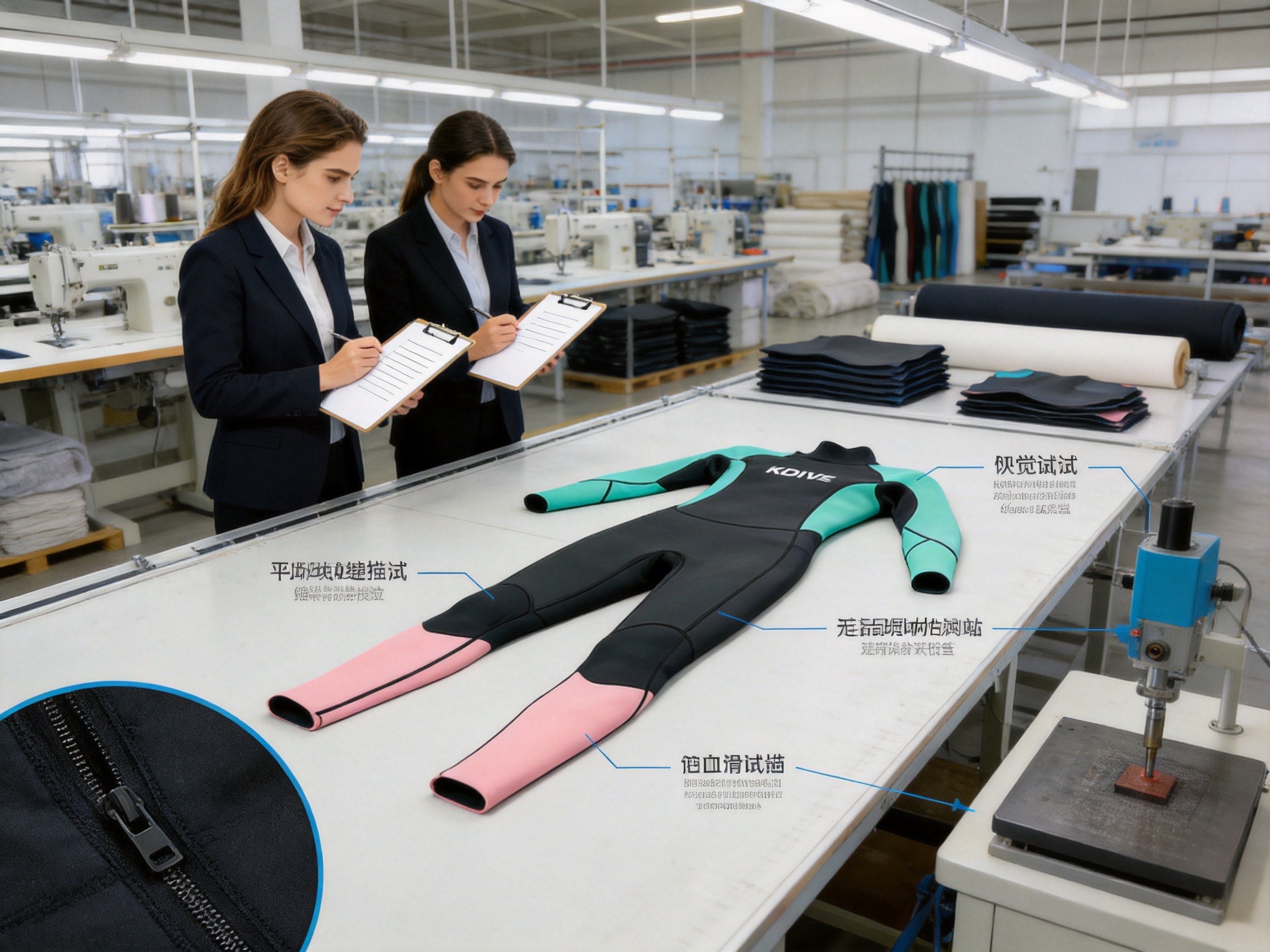
Choosing the right wetsuit involves more than selecting a thickness or color. A dependable suit must balance thermal protection, flexibility, comfort, durability, fit, and ease of use. The 3mm Black Women’s Neoprene Wetsuit with Contrast Green Sleeves and Pink Legs is designed around this complete performance balance. It combines a full-length one-piece construction, nylon-laminated CR neoprene, high-stretch sleeves, reinforced knee panels, flatlock stitching, and a practical back-entry zipper system for a broad range of water activities.
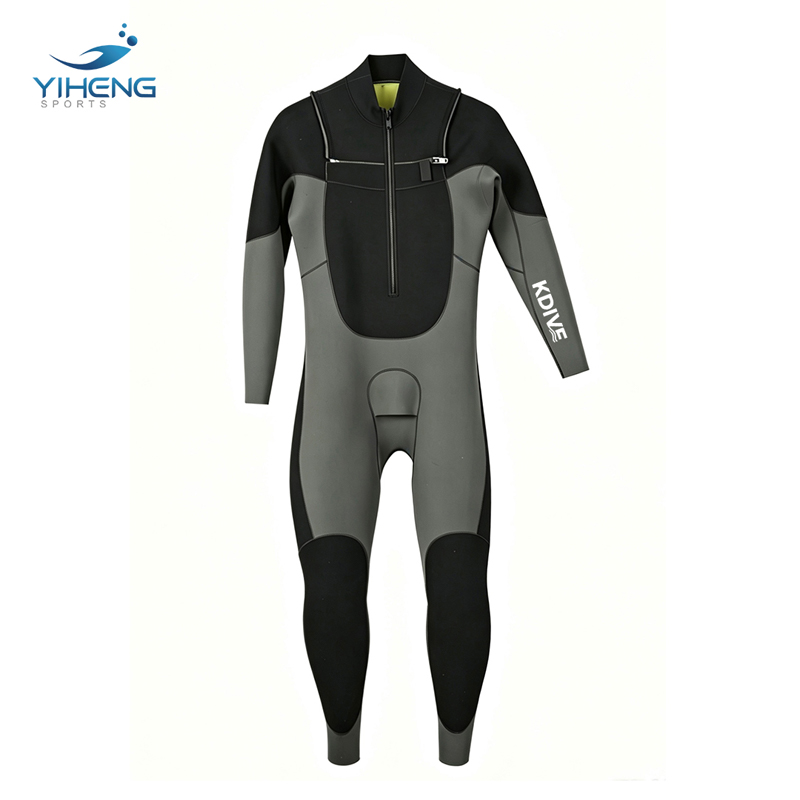
This all-purpose wetsuit is suitable for swimming, snorkeling, surfing, stand-up paddleboarding, and other recreational water sports. Its 3mm neoprene body provides a practical level of insulation while preserving the mobility required for paddling, arm strokes, climbing onto a board, and moving through the water. The black body creates a streamlined appearance, while the green sleeves and pink leg panels provide visual contrast that gives the suit a distinctive, athletic character.
Unlike basic entry-level wetsuits that may sacrifice either movement or durability, this design addresses the areas that receive the most stress during repeated use. High-elasticity sleeves support a broad range of motion, reinforced knee panels help protect high-wear areas, and four-needle six-thread flatlock stitching is used throughout the garment to create stable, low-profile seams. The result is a versatile suit intended for users who want reliable performance without the restrictive feeling often associated with heavier or poorly fitted neoprene garments.
Why a 3mm Full-Length Wetsuit Is a Practical Choice
Wetsuit thickness has a direct effect on insulation, weight, flexibility, and comfort. A 3mm suit occupies a useful middle position. It offers more thermal protection than a thin summer rash guard or lightweight neoprene top, but remains easier to move in than a very thick cold-water suit. For many recreational applications, this balance makes 3mm neoprene one of the most practical choices available.
The full-length format covers the torso, arms, and legs. This coverage helps reduce direct contact between the skin and cold water while also providing protection from wind, sunlight, minor surface abrasion, and contact with equipment. Full-length construction is particularly useful for activities in which the wearer remains in or near the water for extended periods, including snorkeling, surfing, open-water swimming, and stand-up paddleboarding.
Thermal comfort depends on several factors, including water temperature, wind, activity level, body composition, duration, and personal tolerance. A 3mm wetsuit should therefore be selected as part of a complete equipment system rather than treated as a universal solution for every environment. In moderate or cool conditions, its insulation can help extend time in the water. In warmer conditions, it can provide protection from sun and abrasion while remaining relatively comfortable during active movement.
The suit’s nylon-neoprene-nylon material construction contributes to a balance of warmth and wear resistance. The outer and inner nylon layers support the neoprene core and provide a smoother, more durable surface than exposed foam alone. This layered approach is common in performance wetsuits because it helps protect the insulating material from repeated stretching, contact with boards, and everyday handling.
Product Construction and Technical Specifications
The wetsuit is manufactured as a one-piece, full-length garment. Its primary material composition is nylon, neoprene, and nylon, with a 3mm CR neoprene body. CR neoprene is widely used in water-sports garments because it provides a combination of buoyancy, thermal insulation, resilience, and flexibility.
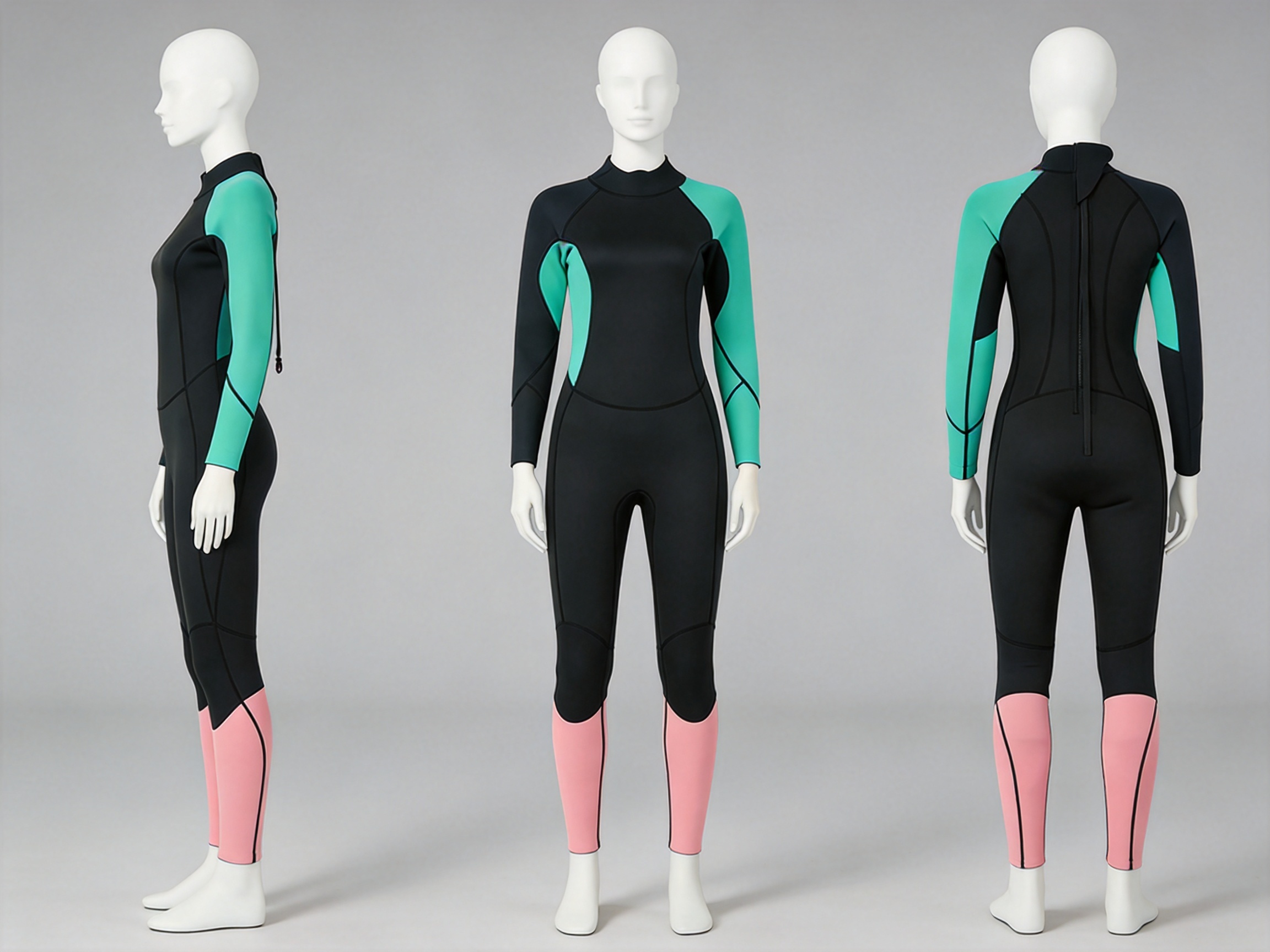
The body is primarily black, with contrast green sleeves and pink leg panels. This color-blocked structure is more than a visual detail. Distinctive paneling can support product recognition, create a modern athletic appearance, and give private-label buyers a strong base for market differentiation. The contrasting sleeves and legs help the suit stand apart from plain black alternatives while retaining the versatile appearance associated with a dark main body.
Flatlock stitching is used for the seam construction. The specified four-needle six-thread method creates a broad, secure seam that lies relatively flat against the body. Compared with bulky raised seams, flatlock construction can reduce uncomfortable pressure points during active use. It is especially valuable in areas where the garment repeatedly bends, stretches, or comes into contact with the wearer’s skin.
The rear entry system uses a back zipper with an adjustable hook-and-loop collar closure. The zipper includes an extra-long pull cord, allowing the wearer to operate it more easily when preparing for a session. The hook-and-loop closure helps adjust the collar around the neck and supports a closer fit at the upper back. Together, these features make the suit practical for independent dressing and removal.
Reinforced knee panels are integrated into the design to protect one of the most heavily used areas of a wetsuit. Knees are exposed to repeated bending, stretching, kneeling on a paddleboard, contact with a surfboard, and friction during entry or exit. Adding reinforcement in this area helps the garment withstand normal activity more effectively than a design made from a single unreinforced layer.
| Specification | Product Detail | Performance Benefit |
|---|---|---|
| Product type | Women’s all-purpose full-length wetsuit | Suitable for multiple recreational water activities |
| Material | Nylon, neoprene, nylon | Supports insulation, flexibility, and surface durability |
| Neoprene thickness | 3mm CR neoprene | Balanced thermal protection and freedom of movement |
| Color design | Black body, green sleeves, pink leg panels | Distinctive athletic appearance and product differentiation |
| Seam construction | Flatlock stitching, four-needle six-thread | Low-profile seams and stable construction |
| Entry system | Back zipper with extra-long pull cord | Convenient independent dressing and removal |
| Collar closure | Adjustable hook-and-loop fastener | Allows the neckline to be adjusted for comfort |
| Reinforcement | Reinforced knee panels | Additional protection in high-wear areas |
| Available sizes | S, M, L, XL, XXL, XXXL | Broad size coverage for different body profiles |
| Abrasion performance | No damage after 4,000 friction cycles under pressure of at least 9kPa | Demonstrates resistance to repeated surface friction |
| Hydrostatic performance | Hydrostatic pressure resistance of at least 80kPa without water seepage | Supports material integrity under water pressure |
| Tensile performance | No breakage after 10 seconds under tension of at least 150N, lengthwise and crosswise | Indicates resistance to stretching forces in both directions |
High-Stretch Sleeves for Unrestricted Movement
Arm mobility is central to many water sports. Swimming depends on repeated overhead strokes, surfing requires paddling and balance corrections, and stand-up paddleboarding involves continuous shoulder and arm movement. If sleeves are too rigid or cut too narrowly, the wearer may experience pulling across the shoulders, tightness around the upper arms, or fatigue caused by resistance from the garment.
This wetsuit uses high-elasticity, high-rebound stretch fabric in the sleeves. The material is designed to extend with the wearer’s movement and recover its shape after repeated stretching. That characteristic helps the garment remain close to the body without making the arms feel trapped. The slim-cut silhouette also supports a more streamlined profile in the water.
The sleeves are particularly valuable for active users who prioritize movement over maximum bulk. A 3mm body provides insulation, while stretch-focused sleeve construction helps preserve mobility where it matters most. The wearer can reach forward, rotate the shoulders, lift the arms, and perform repeated strokes with less interference from the suit.
High rebound is also important for long-term fit. Materials that stretch but do not recover effectively can become loose or baggy over time. A high-rebound fabric is intended to return closer to its original shape after use, supporting a consistent fit across repeated sessions. Proper care remains essential, but the sleeve design provides a stronger foundation for repeated activity than a low-stretch alternative.
The green sleeve panels contribute to the visual identity of the garment while also emphasizing its athletic construction. For retailers, distributors, and private-label buyers, the contrast can make the product easier to distinguish from conventional single-color wetsuits. For end users, it offers a fashionable alternative to plain black equipment without compromising the practical advantages of a dark main body.
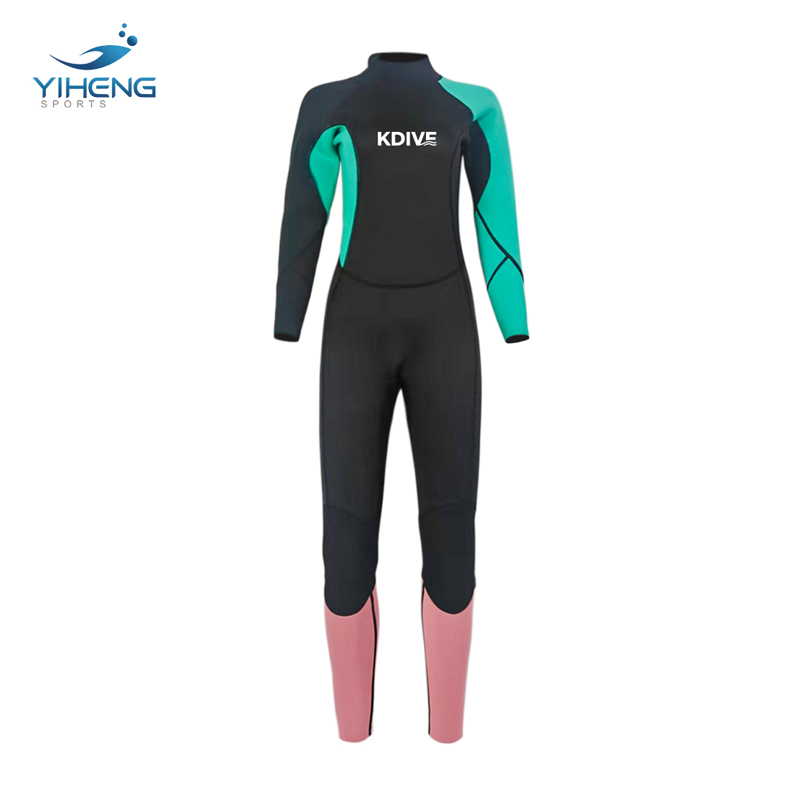
3mm Black Women' s Neoprene Wetsuit with Contrast Green Sleeves & Pink Legs
3mm CR Neoprene for Balanced Warmth and Flexibility
The central performance feature of the wetsuit is its 3mm CR neoprene body. Neoprene contains a cellular structure that helps reduce heat transfer and provides a degree of buoyancy. When laminated with nylon, it becomes more suitable for finished garments because the textile surface helps protect the foam and improves handling characteristics.
The nylon-laminated structure supports consistent thermal performance across the torso, hips, and legs. These areas benefit from stable coverage because they are exposed to prolonged contact with cold water. The full-length design also reduces the amount of uncovered skin exposed to wind after exiting the water, when evaporative cooling can make the wearer feel colder.
At the same time, 3mm neoprene is sufficiently flexible for a variety of recreational activities. A thicker construction may offer greater insulation in colder conditions, but it can also add weight and restrict movement. A thinner construction may feel lighter, but it may provide less protection against cool water and wind. The 3mm option is therefore well suited to users who need a versatile garment for changing activities and moderate environmental conditions.
Material performance is also related to fit. Even a high-quality neoprene garment cannot provide its intended insulation if it is excessively loose, because water can circulate freely between the body and the suit. Conversely, a suit that is too tight may restrict breathing and movement. The available size range from S through XXXL gives buyers more opportunity to select an appropriate size, although body measurements should always be compared with the supplier’s specific size chart before ordering.
Users should put on the suit carefully rather than pulling aggressively on a single section of fabric. Fingernails, jewelry, and sharp equipment edges can damage laminated neoprene. Taking time to distribute the material evenly around the body helps preserve both comfort and service life.
YKK Back Zipper and Adjustable Collar Closure
Entry design has a major effect on the everyday usability of a wetsuit. A garment that performs well in the water but is difficult to put on can become frustrating, especially when the wearer is preparing alone. This model uses a back zipper system with an extra-long pull cord to make dressing and removal more manageable.
The longer pull cord allows the wearer to reach the zipper more easily. This is particularly helpful when changing at a beach, beside a swimming pool, or at a launch point where assistance may not be available. The YKK back zipper is intended to provide dependable operation when handled correctly, while the rear entry keeps the front of the suit smooth and visually clean.
The adjustable hook-and-loop collar closure helps personalize the fit around the neck. A collar that is too loose may allow excessive water exchange, while one that is too tight can cause discomfort or distraction. The adjustable closure allows the wearer to find a practical balance between security and comfort.
The back-zip format also creates a familiar construction for many recreational users. It is a practical alternative to more complex front-entry systems, especially for buyers who value straightforward operation. When closing the zipper, the wearer should make sure that the inner fabric is clear of the zipper track and that the collar is positioned comfortably before securing the hook-and-loop fastener.
Independent dressing is a meaningful advantage for consumers. It can reduce preparation time and makes the product more suitable for individual swimmers, travelers, paddleboard users, and casual surfers. For retailers, this usability feature can also be communicated clearly in product descriptions because it addresses a common customer concern.
Reinforced Knee Panels for High-Wear Protection
Knee areas often experience more stress than the rest of a wetsuit. Surfers may kneel while preparing to stand, paddleboard users may kneel during balance adjustments, and swimmers may contact pool edges or rough surfaces during entry and exit. Repeated flexing can also create concentrated tension around the knees.
The reinforced knee panels add material support in these high-wear zones. They are designed to help resist damage caused by bending, surface contact, and repeated friction. This targeted reinforcement is more efficient than making the entire wetsuit excessively thick, because it adds protection where it is most needed while preserving flexibility in other areas.
The pink leg panels complement the reinforcement design and create a clear visual transition between the knee and lower-leg areas. The color contrast gives the garment a distinctive appearance while maintaining a practical, sport-oriented aesthetic.
According to the stated performance specifications, the material showed no damage after 4,000 friction cycles under pressure of at least 9kPa. This test result indicates a focus on abrasion resistance and provides a useful technical reference when comparing the product with less thoroughly specified alternatives. Actual service life will depend on water conditions, contact surfaces, care, storage, frequency of use, and the way the suit is put on and removed.
Reinforcement does not eliminate the need for careful use. Users should avoid dragging the suit across rough concrete, sharp rocks, broken shells, or abrasive equipment. Nevertheless, adding knee panels gives the garment a more durable foundation for normal water-sports activity.
Flatlock Stitching and Seam Comfort
Seams are central to wetsuit performance because they join flexible panels that must move with the body while resisting tension and water exposure. Poorly constructed seams can become bulky, uncomfortable, or vulnerable to separation. This model uses flatlock stitching with a four-needle six-thread construction.
Flatlock seams are designed to lie flatter than conventional raised seams. A lower-profile seam can reduce rubbing against the skin, especially around the torso, arms, and legs during repeated movement. This characteristic is important for users who spend long periods swimming, paddling, or surfing.
The four-needle six-thread structure provides multiple lines of thread engagement across the seam. This creates a stable connection between fabric panels and supports consistent construction during production. The exact performance of any finished seam depends on thread quality, stitch density, panel alignment, machine calibration, and quality control.
Seam design also influences the suit’s appearance. Clean, even stitching contributes to a professional finish and helps the contrasting color panels appear properly aligned. For private-label and wholesale buyers, consistent seam presentation is an important part of product quality because visual defects can affect customer confidence even when the garment remains functional.
The product’s stated hydrostatic performance is another important technical indicator. The material is specified to resist hydrostatic pressure of at least 80kPa without water seepage. This result suggests that the fabric and construction are evaluated for resistance to water pressure, although a wetsuit should not be expected to function as a completely dry garment. A wetsuit is intended to reduce heat loss and manage a thin layer of water, not eliminate all water entry under every condition.
Testing and Performance-Oriented Manufacturing
A wetsuit’s quality is determined by more than its appearance. Material selection, panel cutting, lamination, sewing, reinforcement, zipper installation, finishing, and inspection all contribute to the final result. The available technical specifications show that this product is developed with attention to measurable performance rather than relying solely on visual design.
Three areas are specifically identified: abrasion resistance, hydrostatic resistance, and tensile strength. These tests address different stresses that a wetsuit may experience during use. Abrasion testing relates to rubbing and surface contact. Hydrostatic testing relates to water pressure and resistance to seepage. Tensile testing evaluates whether the material and construction can withstand stretching forces in both lengthwise and crosswise directions.
The tensile specification states that there is no breakage after 10 seconds under tension of at least 150N in both directions. Testing lengthwise and crosswise is significant because wetsuit panels experience stress from multiple angles. A garment may stretch vertically when the wearer bends, horizontally across the shoulders and hips, and diagonally during swimming or paddling. Evaluating both primary directions provides a more complete view of material stability.
Performance testing should be understood as part of a manufacturing control system. It cannot replace correct sizing, responsible use, or proper care, but it can help manufacturers identify material and construction standards before products reach customers. For buyers comparing suppliers, documented specifications provide a more objective basis for evaluation than photographs alone.
The company behind the product has specialized in neoprene materials and finished products since 2008. Its factory covers more than 15,000 square meters and employs more than 120 professional workers. With more than 18 years of industry experience in neoprene fabrics and finished products, the manufacturer has developed capabilities across both source material production and finished-garment manufacturing.
This combination is valuable because control over both materials and finished products can support more coordinated development. A manufacturer that understands neoprene fabric behavior, panel construction, sewing, and final product use is better positioned to adjust designs for flexibility, durability, appearance, and target-market requirements.
Manufacturing Strengths for OEM and Private-Label Buyers
The wetsuit is suitable not only for individual consumers but also for distributors, retailers, water-sports brands, and private-label programs. The manufacturer provides OEM manufacturing, ODM development, and long-term supply support. These services allow buyers to choose between producing a product based on an existing design and developing a more customized solution.
OEM production is useful for brands that already have a defined product specification, color system, logo application method, packaging format, and target price. An existing wetsuit platform can help reduce development time while allowing the buyer to add brand-specific details. The black, green, and pink color structure may also serve as a starting point for alternative color combinations.
ODM development is useful for buyers seeking a product adapted to a particular market. Changes may include fabric thickness, color blocking, panel placement, size range, zipper configuration, reinforcement locations, branding, and packaging. The manufacturer’s experience with neoprene fabrics and finished goods supports the technical evaluation needed when making these adjustments.
Private-label wetsuit programs require more than applying a logo. They require consistency across production batches, accurate color reproduction, stable sizing, reliable seam construction, and dependable material sourcing. A factory with established production experience can help coordinate these elements more effectively than a trading operation with no direct manufacturing base.
The company’s product range includes wetsuits, drysuits, fishing waders, rash guards, water-sports equipment, and neoprene fabrics. This broader category coverage indicates familiarity with different types of neoprene applications. Knowledge gained from producing several related products can support design decisions involving stretch, waterproof performance, reinforcement, seam construction, and user comfort.
For wholesale customers, product continuity is also important. Retailers need confidence that a successful product can be reordered with comparable material performance and appearance. Long-term supply support, production experience, and factory-based manufacturing are relevant advantages when building a stable product line rather than placing a single isolated order.
Advantages Compared with Basic Competitor Designs
Many basic wetsuits compete primarily on price and general appearance. They may use a standard thickness, plain color, limited sizing, minimal reinforcement, and generic closure hardware. The 3mm women’s wetsuit described here offers several points of differentiation that can be communicated clearly to customers.
First, the suit combines a 3mm neoprene body with high-stretch sleeves. This construction recognizes that different parts of the body have different performance requirements. The torso and legs benefit from stable thermal coverage, while the sleeves need to accommodate repeated shoulder and arm movement. A uniform low-stretch material may be less comfortable during active water sports.
Second, the product includes reinforced knee panels. This feature targets a common failure and wear area rather than adding unnecessary weight to the entire garment. Competitor products without knee reinforcement may show more visible wear after repeated kneeling, boarding, or contact with equipment.
Third, the product includes detailed performance specifications for abrasion, hydrostatic resistance, and tensile strength. Many products provide only general statements such as “durable” or “water resistant.” Specific test thresholds give professional buyers more useful information during supplier comparison and product documentation.
Fourth, the garment uses a four-needle six-thread flatlock construction. This supports seam stability and can improve comfort by reducing bulky ridges. A basic suit with poorly finished seams may cause rubbing or show inconsistent stitching, particularly after repeated stretching.
Fifth, the design provides a broad size range from S to XXXL. Availability across six sizes can help retailers serve more customers and reduce the risk of excluding users who do not fit within a narrow size offering. Correct measurement remains essential, but broader size coverage is a practical commercial advantage.
Sixth, the color-blocked design creates stronger visual differentiation. The black body is familiar and versatile, while the green sleeves and pink legs produce a memorable appearance. In a retail environment where many wetsuits look similar, distinctive color placement can improve shelf recognition and online thumbnail appeal.
Finally, the product is supported by a manufacturer with experience in both neoprene fabrics and finished products. This matters when buyers need customization, technical assistance, repeat orders, or coordinated development across several water-sports categories.
Suitable Water Activities
Swimming
For open-water or recreational swimming, a full-length 3mm wetsuit can provide insulation and reduce the discomfort associated with cool water. The high-stretch sleeves support repeated arm strokes, while the streamlined cut helps the garment remain close to the body. Swimmers should ensure that the suit does not create excessive restriction around the shoulders, neck, or chest.
Snorkeling
Snorkeling often involves extended exposure to water, periods of floating, and movement between surface swimming and exploration. The full-length format provides thermal coverage and helps protect the skin from sunlight and minor contact with marine equipment. The colorful panels can also improve visual recognition among a group of users, although they should not be considered a substitute for standard water-safety equipment.
Surfing
Surfers require a balance of flexibility and protection. The stretch sleeves support paddling, while the reinforced knees can help during the transition from a prone position to standing. The rear zipper and adjustable collar make the suit relatively straightforward to prepare before entering the water. Users should select thickness according to local water temperature and should confirm that the suit fits closely without limiting movement.
Stand-Up Paddleboarding
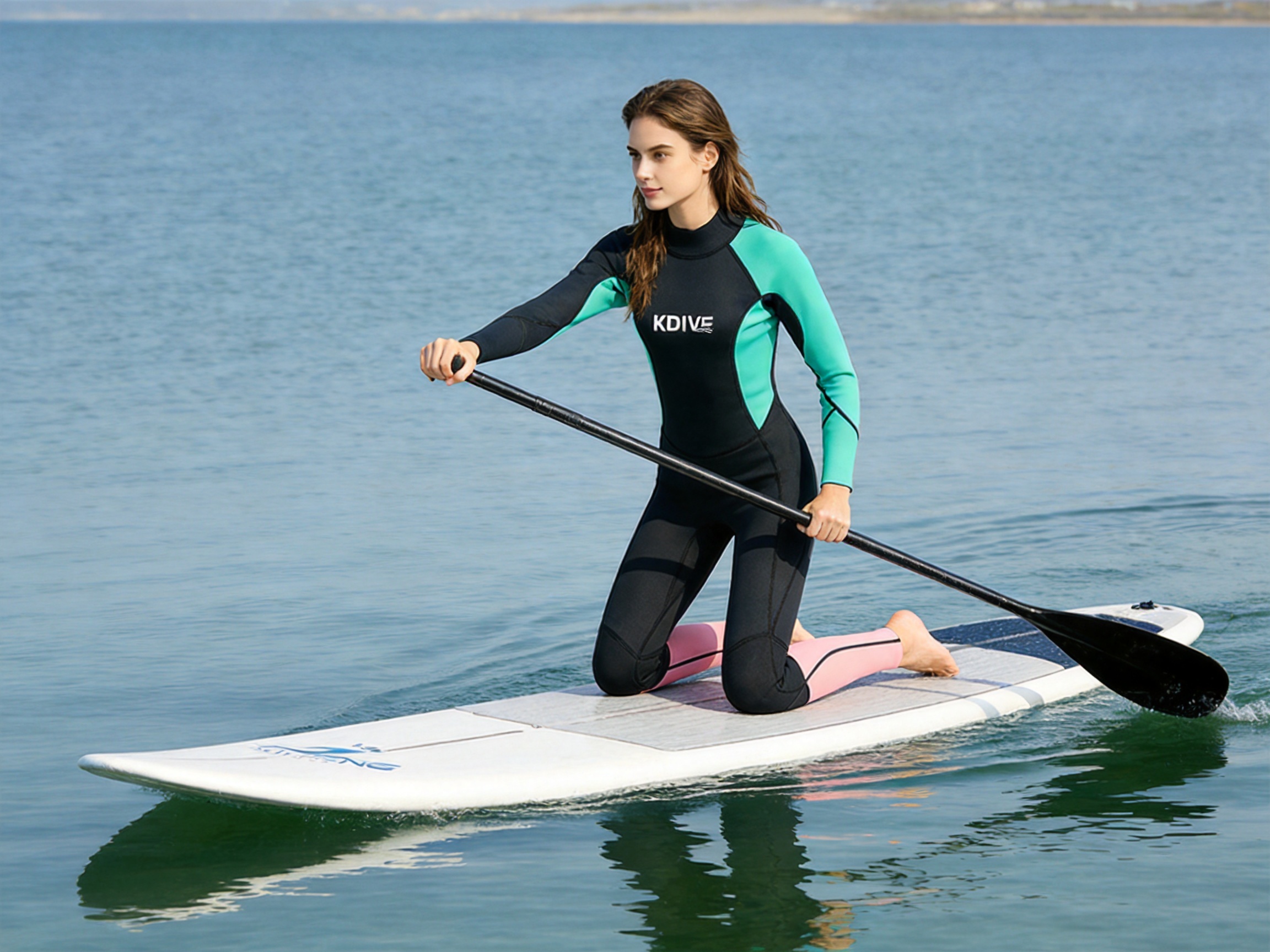
Stand-up paddleboarders may alternate between standing, kneeling, paddling, and entering the water. Reinforced knee areas are useful during kneeling positions, while the full-length design adds protection against wind and cool water. The 3mm thickness provides a practical balance for active movement, especially in conditions where a thicker suit would feel unnecessarily heavy.
General Water Recreation
The suit can also serve as an adaptable garment for recreational boating, water training, beach activities, and other situations where moderate thermal coverage and skin protection are desirable. It is not intended to replace a certified personal flotation device, protective footwear, a drysuit, or specialized equipment when those products are required by the environment.
Fit, Sizing, and User Comfort
A wetsuit should fit closely enough to reduce excessive water circulation but should not cause pain, restricted breathing, numbness, or severe limitation of movement. The available sizes are S, M, L, XL, XXL, and XXXL. Customers should compare their height, chest, waist, hip, and inseam measurements with the manufacturer’s current size chart before purchase.
When trying on the suit, the neoprene should be distributed evenly rather than gathered in folds. The crotch, shoulders, knees, and lower back should sit in their intended positions. The collar should rest securely but should not press uncomfortably against the neck. The zipper should close smoothly without requiring excessive force.
Some initial tightness is normal because neoprene is designed to fit close to the body. However, a correct fit should still permit normal breathing and movement. If the garment is extremely difficult to put on, restricts arm rotation, or creates strong pressure points, a different size or body pattern may be more appropriate.
Retailers should provide customers with clear fitting instructions. This can reduce returns and improve satisfaction. Product pages should explain that sizes may not correspond exactly to everyday clothing sizes because wetsuits require a closer performance fit.
The women’s cut and color design are intended to provide a sport-focused appearance without making the garment overly bulky. The slim silhouette supports movement and can make the suit easier to layer under a buoyancy aid or other compatible equipment, provided the combination is tested for comfort and safety.
Care and Maintenance Recommendations
Proper care helps preserve neoprene flexibility, laminate integrity, color, zipper function, and seam performance. After each use, the wetsuit should be rinsed thoroughly with clean, cool water. This is particularly important after exposure to salt water, chlorine, sand, or mud.
The suit should be dried in a shaded, well-ventilated area. Direct, intense sunlight and high heat can accelerate material aging, fade the fabric, and reduce elasticity. The garment should not be placed on a hot radiator, in a clothes dryer, or near an open flame.
When removing the suit, users should avoid pulling sharply on the sleeves, collar, or zipper cord. Rolling the material gradually away from the body helps distribute stress. Fingernails can damage the nylon surface or neoprene, so users should handle the garment with the flat parts of their fingers whenever possible.
The zipper should be kept free of sand and debris. The hook-and-loop collar fastener should be closed during storage if necessary to prevent it from catching on the lining or other garments. The wetsuit should be stored in a cool, dry place away from sharp objects, solvents, oils, and chemicals.
For long-term storage, the suit may be hung using a wide wetsuit hanger or folded loosely without sharp creases. Avoid leaving it compressed under heavy equipment for extended periods. Regularly checking the knees, seams, zipper, and collar can help identify small issues before they become larger problems.
Quality Considerations for Professional Buyers
Professional buyers should evaluate the complete supply chain rather than focusing on one specification. Important questions include the type and thickness of neoprene, fabric lamination quality, size grading, seam method, zipper source, reinforcement placement, color consistency, packaging, inspection procedures, and production lead times.
Sample approval is especially important. Buyers should review physical samples for stretch, recovery, seam appearance, zipper operation, collar comfort, panel alignment, and overall fit. If the product will be customized, the approved sample should document the exact colors, branding position, labels, packaging, and construction details.
Quality control should include inspection of incoming materials, cutting accuracy, sewing quality, zipper installation, reinforcement attachment, and final garment appearance. Measurements should be checked across the size range because grading errors may not be visible in a single sample.
The stated abrasion, hydrostatic, and tensile specifications provide useful performance benchmarks. Buyers may request clarification regarding test methods, sample preparation, laboratory conditions, and inspection frequency. Clear technical communication helps ensure that product claims accurately reflect the supplied garment.
Manufacturing capacity is also relevant. A factory covering more than 15,000 square meters and employing over 120 professional workers can provide a stronger basis for coordinated production than a very small workshop, particularly when the buyer requires multiple sizes, several colors, or repeat seasonal orders.
Why Factory Experience Matters in Neoprene Product Development
Neoprene products require specialized knowledge because the material behaves differently from ordinary woven or knitted apparel fabrics. It has thickness, compression, stretch, recovery, lamination, and heat-sensitive characteristics that affect cutting and sewing. Small errors in panel design or seam allowance can influence fit and comfort significantly.
Experience gained since 2008 gives the manufacturer a long operating history in the category. The company’s focus includes both neoprene materials and finished products, allowing it to work across the stages of development from fabric selection to final garment construction.
The company also has more than 15 years of production experience and eight years of direct retail-market practice. This combination can be valuable because manufacturing knowledge and retail feedback address different needs. Factory experience supports process control and production efficiency, while retail exposure helps identify customer expectations involving fit, appearance, durability, packaging, and ease of use.
For brands developing a wetsuit line, such knowledge can shorten the process of translating a market concept into a manufacturable product. A design may look attractive in a drawing but require changes to panel shapes, seam placement, stretch direction, or reinforcement in order to work effectively in production. A manufacturer experienced in ODM development can help identify these issues earlier.
The broader product portfolio, including drysuits, fishing waders, rash guards, water-sports equipment, and neoprene fabrics, also supports cross-category development. A buyer seeking a coordinated range of water-sports products may benefit from working with one manufacturing partner familiar with related materials and construction methods.
Commercial Positioning and Retail Presentation
This wetsuit can be positioned as a versatile women’s water-sports garment that combines functional construction with distinctive styling. Its strongest retail messages include 3mm thermal coverage, stretch sleeves, reinforced knees, flatlock seams, independent back-zip entry, adjustable collar closure, and a broad size range.
The contrast green sleeves and pink leg panels help create a visual identity that is more expressive than a plain black suit. Product photography should show the color-blocking clearly, while product descriptions should explain that the color design is supported by functional construction rather than being purely decorative.
For online retailers, technical specifications can improve customer confidence. Information about material composition, thickness, seam method, zipper design, reinforcement, available sizes, and care can help shoppers compare the product with alternatives. Including clear fit guidance is equally important because wetsuit returns are often related to incorrect sizing.
For physical retailers, the suit can be displayed alongside snorkeling masks, paddleboards, swim accessories, surf equipment, and neoprene footwear. Its all-purpose positioning makes it suitable for more than one activity category, potentially allowing retailers to reach swimmers, paddleboarders, casual surfers, and recreational snorkelers with one product.
For private-label programs, the current design can be used as a reference platform. Buyers may choose to retain the three-color structure, modify the sleeve and leg colors, change the thickness, add brand labeling, or develop a coordinated collection. The manufacturer’s OEM and ODM capabilities provide flexibility for these different business models.
Q&A
What activities is this wetsuit designed for?
The wetsuit is designed for general water-sports use, including swimming, snorkeling, surfing, stand-up paddleboarding, and other recreational activities. Its 3mm full-length construction provides a balance of coverage, thermal protection, and flexibility.
Is the suit made from genuine neoprene?
Yes. The product uses a nylon-neoprene-nylon material structure with a 3mm CR neoprene body. Nylon lamination helps protect the neoprene and supports practical durability during regular use.
Why is the sleeve material described as high stretch?
The sleeves use high-elasticity, high-rebound fabric to support shoulder rotation, paddling, swimming strokes, and repeated arm movement. This helps reduce the restrictive feeling that can occur with low-stretch sleeves.
What does the 3mm thickness mean for water temperature?
A 3mm wetsuit is generally intended for moderate or cool conditions, but the suitable temperature range depends on activity level, wind, body composition, personal tolerance, and exposure time. Users should select wetsuit thickness according to their actual environment and safety needs.
Does the wetsuit keep the wearer completely dry?
No. A wetsuit is designed primarily to reduce heat loss and provide coverage. It is not the same as a drysuit. Some water may enter through the neck, cuffs, zipper area, or seams, while the neoprene helps retain warmth.
How is the wetsuit closed?
The suit uses a back zipper with an extra-long pull cord and an adjustable hook-and-loop collar closure. This arrangement is intended to make independent dressing and removal easier.
What is the purpose of the reinforced knee panels?
The reinforced knee panels help protect high-wear areas that may experience repeated bending, kneeling, contact with boards, or friction during water-sports activities.
What sizes are available?
The listed sizes are S, M, L, XL, XXL, and XXXL. Customers should compare their body measurements with the current supplier size chart rather than relying only on normal clothing size.
What seam construction is used?
The wetsuit uses flatlock stitching with a four-needle six-thread construction. The low-profile seam design is intended to support comfort, stability, and durability during repeated movement.
How durable is the material?
The stated specifications include no damage after 4,000 friction cycles under pressure of at least 9kPa, no water seepage under hydrostatic pressure of at least 80kPa, and no breakage after 10 seconds under tension of at least 150N in both lengthwise and crosswise directions.
Can the design be customized for private-label use?
The manufacturer provides OEM and ODM services. Depending on the project, buyers may discuss colors, branding, labels, packaging, materials, thickness, sizing, panel design, and other product requirements.
How should the wetsuit be cleaned?
Rinse the suit with clean, cool water after use and dry it in a shaded, ventilated area. Avoid high heat, direct intense sunlight, harsh chemicals, sharp objects, and rough handling during dressing and removal.
Is this product suitable for professional competition?
The suit is presented as an all-purpose water-sports wetsuit. Professional competition may involve specific federation rules, thickness limits, buoyancy requirements, and approved construction standards. Athletes should confirm the applicable regulations before using it in an organized event.
Conclusion
The 3mm Women’s Neoprene Wetsuit with Contrast Green Sleeves and Pink Legs is designed to combine practical thermal coverage with mobility, durability, and distinctive styling. Its nylon-laminated CR neoprene body provides a balanced foundation for moderate water-sports conditions, while high-stretch sleeves support active arm movement. Reinforced knee panels address a common high-wear area, and flatlock four-needle six-thread stitching contributes to seam comfort and construction stability.
The YKK back zipper, extra-long pull cord, and adjustable hook-and-loop collar make the suit convenient for independent use. The six-size range from S to XXXL supports broader market coverage, while the black, green, and pink color-blocked design offers a strong visual point of difference compared with plain black alternatives.
Its documented abrasion, hydrostatic, and tensile specifications provide useful technical references for buyers who need more than general durability claims. Behind the product is a factory with more than 18 years of industry experience, a production site exceeding 15,000 square meters, over 120 professional employees, and capabilities covering neoprene fabrics and finished water-sports products.
For consumers, the wetsuit offers a versatile choice for swimming, snorkeling, surfing, paddleboarding, and recreational water use. For distributors, retailers, and private-label brands, it provides a manufacturable product platform supported by OEM, ODM, and long-term supply capabilities. With correct sizing, proper care, and use in suitable conditions, it can serve as a dependable and visually distinctive addition to a modern water-sports product range.
References
1. Product specification sheet for the 3mm Women’s Neoprene Wetsuit with Contrast Green Sleeves and Pink Legs.
2. Material and construction information supplied for nylon-laminated 3mm CR neoprene garments.
3. Technical performance data covering abrasion resistance, hydrostatic resistance, and tensile strength.
4. General principles of wetsuit design, neoprene insulation, seam construction, and water-sports garment fitting.
5. Manufacturer information concerning neoprene fabric production, finished water-sports products, OEM manufacturing, ODM development, and private-label services.
6. Care and maintenance practices for neoprene garments, laminated fabrics, zippers, hook-and-loop fasteners, and reinforced water-sports apparel.
Product: 3mm Black Women' s Neoprene Wetsuit with Contrast Green Sleeves & Pink Legs

LET’S DEVELOP YOUR NEXT NEOPRENE PRODUCT LINE
Quick Links
Product Categories
Contact Us
-
 Email: postmaster@yihengsport.com
-
 Mobile: +86-13564100539
-
 No. 480 Jiangping Road, Madian, Binjiang Town, Taixing City, Taizhou City, Jiangsu Province, China.
Copyright © Jiangsu Yiheng Sports Products Co., Ltd. All Rights Reserved
China Wetsuit Manufacturer Neoprene Fabric Manufacturer
