

 Language
 English
 中文简体
 日本語
 русский
 Español
 عربى

Sep, 24, 2026
Classic Neoprene Bootfoot Chest Fishing Wader: Comfort, Protection, and Reliable Performance for Demanding Water Conditions
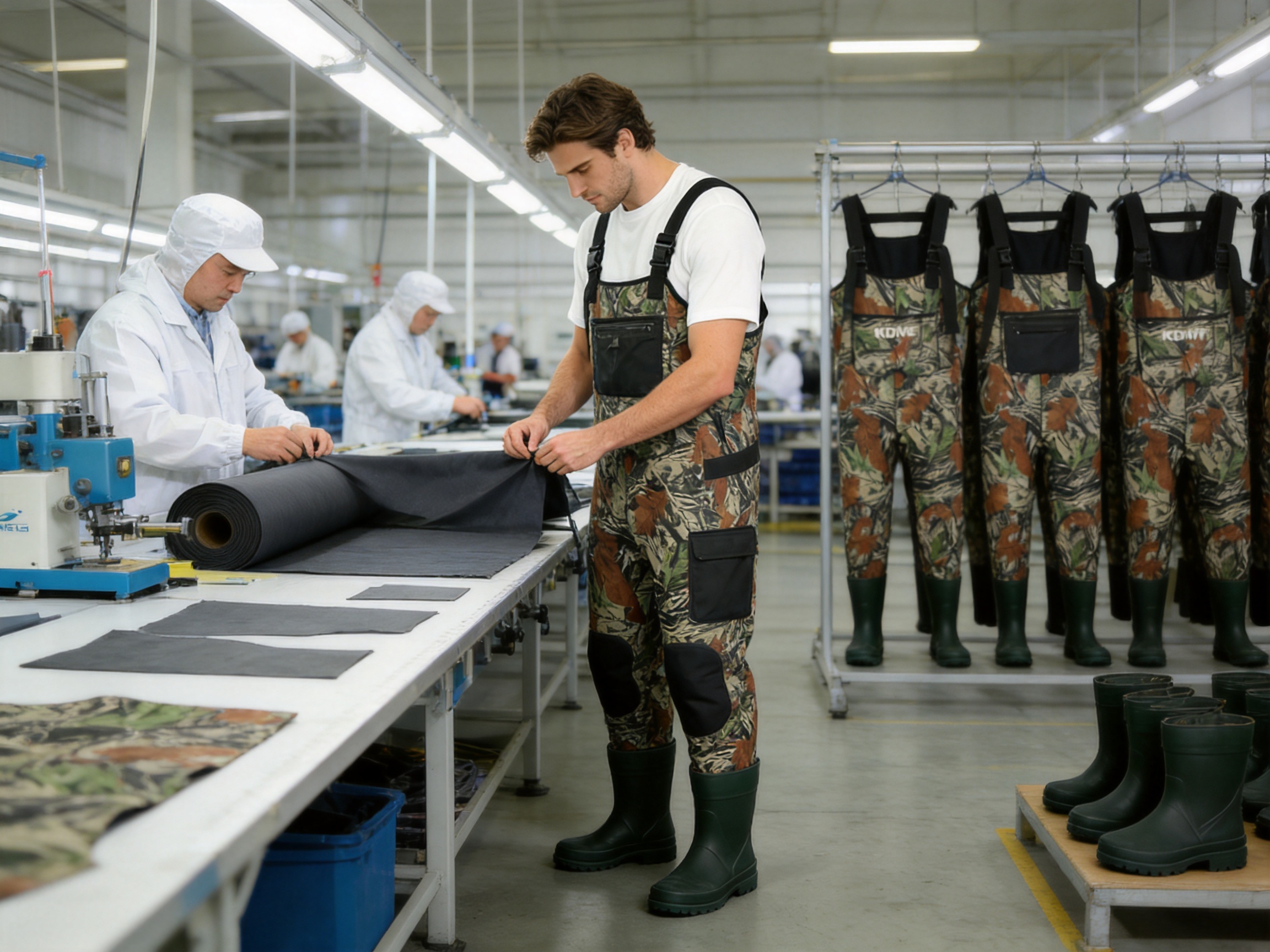
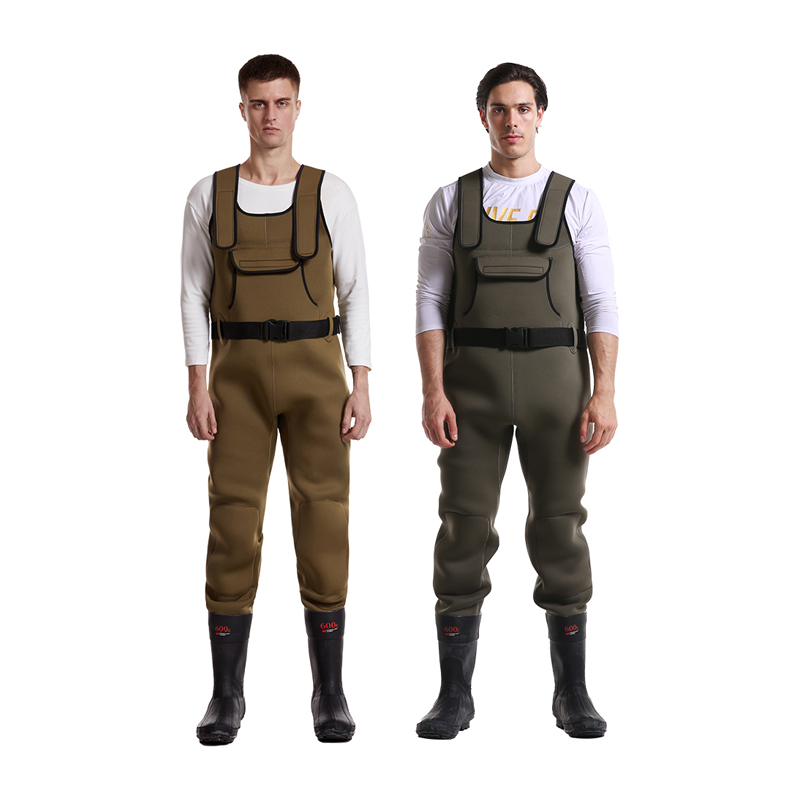
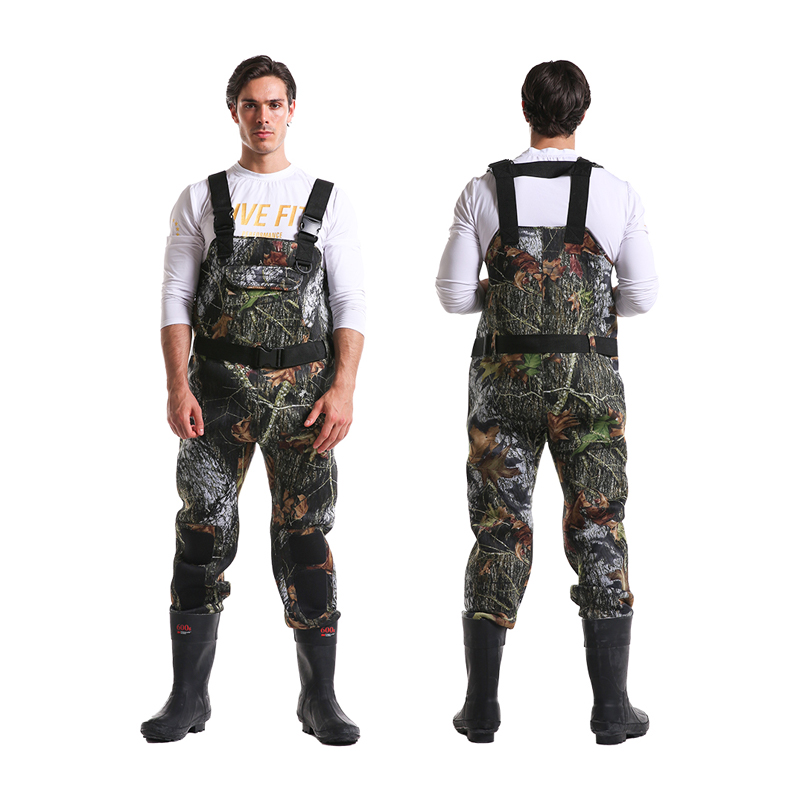
Fishing waders are essential equipment for anglers, guides, conservation workers, and outdoor professionals who need dependable protection while standing or moving through water. A well-designed wader must do more than keep the wearer dry. It should provide thermal insulation, resist abrasion, support natural movement, remain comfortable during long hours outdoors, and offer practical storage for tools and fishing accessories. The Classic Neoprene Bootfoot Chest Fishing Wader is designed around these core requirements, combining a full-body neoprene construction with reinforced knees, waterproof seam protection, adjustable cross shoulder suspenders, an open chest storage pocket, and durable vulcanized rubber boots.
This product is categorized as a neoprene fishing wader and is intended for users who need dependable coverage from the feet to the chest. Its design is suitable for fishing, wading, shoreline work, outdoor maintenance, and other water-related activities where protection from cold water, splashes, mud, and wet ground is important. Available in sizes S, M, L, XL, XXL, and XXXL, it offers a broad size range for different body types and market requirements.
Behind the product is a manufacturer with long-term experience in neoprene materials and finished outdoor products. Jiangsu Yiheng Sports Products Co., Ltd. began its business journey in 2008 and has developed manufacturing expertise across neoprene fabrics, wetsuits, drysuits, fishing waders, rash guards, and water sports equipment. Its production capabilities include more than 15,000 square meters of factory space and a workforce of more than 120 professional employees. This combination of material knowledge, finished-product experience, and production capacity supports consistent supply for wholesalers, retailers, private-label customers, and outdoor equipment brands.
Understanding the Role of a Chest Fishing Wader
A chest wader creates a protective barrier that extends substantially higher than hip waders or waist-level waterproof trousers. By covering the legs, torso, and feet, it helps users enter deeper water while reducing exposure to cold water, wet vegetation, mud, spray, and changing outdoor conditions. This extended coverage is especially valuable when an angler needs to cast from a riverbank, cross a shallow channel, stand in a stream, or work in an environment where water depth and ground conditions are unpredictable.
The design of a chest wader also affects the user’s mobility. Fishing often involves walking over uneven riverbeds, stepping around rocks, kneeling to land a fish, crouching to inspect equipment, or moving carefully through vegetation. A wader that is too rigid, poorly supported, or inadequately reinforced can become uncomfortable and restrictive. The Classic Neoprene Bootfoot Chest Fishing Wader addresses these concerns through a flexible neoprene body, an adjustable H-shaped shoulder strap system, reinforced knee panels, and integrated boots.
Unlike separate stockingfoot waders and detachable boots, a bootfoot design integrates the boot directly into the lower section of the wader. This reduces the number of components the user must purchase, pack, maintain, and put on before entering the water. It also provides a straightforward fit for customers who value convenience and dependable protection over highly specialized modular systems.
Product Overview
| Feature | Product Specification | User Benefit |
|---|---|---|
| Product type | Neoprene bootfoot chest fishing wader | Full coverage for fishing and water-based activities |
| Material | Neoprene | Thermal insulation, flexibility, and comfortable wear |
| Style | Full-body design with cross shoulder suspenders | Secure support and adjustable fit |
| Seam construction | GBS construction | Helps limit water entry and supports seam durability |
| Waterproof treatment | Key inner seams reinforced with waterproof tape | Additional protection at important seam areas |
| Storage | Front chest open pocket | Convenient access to small fishing tools and supplies |
| Knee protection | Extra-thick neoprene reinforcement | Improved resistance to abrasion and repeated kneeling |
| Boots | Vulcanized rubber boots | Durable integrated footwear for wet environments |
| Available sizes | S, M, L, XL, XXL, XXXL | Broad size coverage for different users and markets |
Neoprene Construction for Thermal Comfort and Protection
Neoprene is widely used in water sports and outdoor equipment because it combines flexibility with insulating performance. In a fishing wader, the material helps reduce the direct effect of cold water and cool weather on the wearer. This is particularly important in early-season fishing, cold rivers, spring runoff, autumn outings, and other situations where prolonged exposure to water can quickly reduce comfort.
The neoprene body is also useful because it offers a balance between softness and protection. A fishing wader must move with the wearer rather than act like a stiff shell. The material can accommodate walking, bending, kneeling, and crouching, allowing users to maintain a natural range of movement while casting, landing fish, handling bait, or changing position in the water.
Compared with lightweight fabric-only waders, neoprene models are often selected by users who prioritize warmth and cushioning. Compared with very heavy rubber garments, a well-constructed neoprene wader can offer a more flexible wearing experience. This makes the product a practical choice for customers who need a multipurpose wader suitable for both active fishing and long periods of standing in cool conditions.
Material selection is only one part of product performance. The quality of a finished wader depends on how the neoprene is cut, joined, reinforced, and inspected. Manufacturing experience with neoprene fabrics enables a producer to understand how the material behaves during assembly and use. This is especially important at stress points such as the knees, suspenders, boot connection, pocket area, and major seam lines.
GBS Seam Construction and Water Protection
The product uses GBS seam construction. GBS generally refers to a glued and blind-stitched seam method. In this type of construction, panels are bonded and stitched in a way that helps reduce the number of open pathways through which water may enter. This approach is widely associated with neoprene water garments because it supports a closer, more secure seam structure than basic stitching alone.
Seam performance is a major factor in the practical value of any fishing wader. Even high-quality neoprene can fail to deliver a dry wearing experience if the seams are not properly constructed. Water pressure, repeated bending, abrasion, and movement can all place stress on joining points. For this reason, the Classic Neoprene Bootfoot Chest Fishing Wader also uses waterproof tape on key seams on the inside. This added treatment reinforces important areas and helps reduce water entry during extended use.
The combination of GBS construction and internal waterproof tape demonstrates a layered approach to water protection. Instead of relying only on the base fabric, the design considers the complete garment system: material, panel joining, seam reinforcement, and boot integration. This is a meaningful advantage for users who spend several hours in or around water and need dependable protection throughout an outing.
Proper use and care remain important. No wader should be treated as indestructible, and performance can be affected by sharp branches, barbed wire, rough rocks, improper storage, or excessive pulling at the suspenders. Nevertheless, reinforced seam construction provides a stronger foundation for long-term use than a basic unreinforced design.
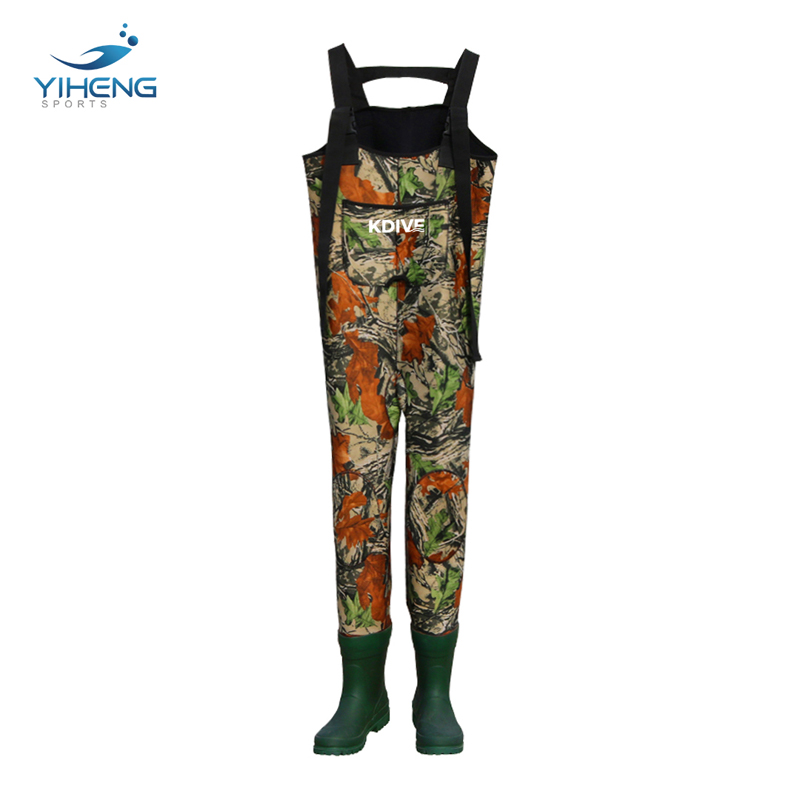
Classic Neoprene Bootfoot Chest Fishing Wader
H-Shaped Adjustable Shoulder Straps
The suspension system is one of the most important comfort features in a chest wader. The Classic Neoprene Bootfoot Chest Fishing Wader uses cross adjustable shoulder suspenders arranged in an H-shaped configuration. This structure helps distribute the weight of the wader across both shoulders rather than allowing the garment to hang unevenly from a single point or narrow strap area.
Even weight distribution can reduce pressure during extended wear. Fishing sessions may last for several hours, and discomfort at the shoulders can become distracting long before the user leaves the water. Adjustable straps allow the wearer to position the chest section at a suitable height, improve the overall fit, and accommodate different layers of clothing underneath.
The H-shaped arrangement also contributes to stability. When a wearer walks over uneven ground, climbs a bank, or crouches near the water, a stable suspension system helps keep the upper portion of the wader in position. This reduces the need for constant adjustment and allows the user to focus on fishing or outdoor work.
Compared with fixed, non-adjustable shoulder systems, adjustable cross suspenders are more adaptable for different body proportions and clothing combinations. This is especially valuable for a product offered in multiple sizes and distributed across different markets. A practical suspension system can improve perceived quality because the wearer can personalize the fit rather than simply accepting a predetermined strap position.
Reinforced Knee Panels for High-Wear Areas
The knees are among the most heavily used areas of a fishing wader. Anglers frequently kneel beside a river, crouch to release a fish, move across a muddy bank, or stabilize themselves on uneven ground. These actions create repeated bending, compression, and contact with abrasive surfaces. The product therefore includes extra-thick neoprene reinforcement at the knees.
Reinforced knee panels provide added protection in high-wear zones while preserving the flexibility required for natural movement. The purpose is not simply to make the material thicker everywhere. Targeted reinforcement places additional material where it is most useful, helping the garment withstand repeated contact without unnecessarily increasing weight or reducing flexibility across the entire body.
This focused construction can be an advantage over basic waders with uniform material thickness. A uniform design may provide less protection at the knees, while an excessively heavy design may feel cumbersome. Targeted reinforcement offers a more balanced approach by combining movement comfort with localized durability.
For professional users, reinforcement can also help extend the useful life of the product. Guides, fishing instructors, commercial anglers, and outdoor workers may use their equipment more frequently than occasional recreational users. Areas that resist early wear can reduce replacement frequency and help maintain a consistent working wardrobe.
Vulcanized Rubber Boots for Integrated Convenience
The integrated boots are made from vulcanized rubber. Vulcanization is a process used to improve the strength, elasticity, and durability of rubber materials. In outdoor footwear, vulcanized rubber is valued for its ability to withstand repeated flexing and contact with wet ground, mud, gravel, and other demanding surfaces.
Because the boots are attached to the wader body, the user does not need to coordinate a separate pair of waterproof boots with stockingfoot waders. This simplifies preparation and helps create a continuous protective system from the upper body through the legs and into the feet. It can also be convenient for retailers because a complete bootfoot wader is easy to present as a ready-to-use product.
The bootfoot configuration is suitable for anglers who want straightforward equipment for common fishing environments. It is also practical for customers who value a secure, uncomplicated setup. The vulcanized rubber boot structure provides reliable support while helping protect the feet from wet conditions and ground contact.
As with all outdoor footwear, the best performance depends on selecting the correct size and using the product according to the intended environment. Users should inspect the boot and lower wader after contact with sharp objects or unusually rough terrain. Cleaning away mud and allowing the product to dry properly can also support longer service life.
Chest Storage for Essential Fishing Accessories
The front chest open pocket provides accessible storage for small items such as bait, pliers, line accessories, hooks, or other frequently used tools. Keeping essential equipment close to the chest reduces the need to return to a tackle box or remove the wader to access supplies.
An open pocket design is particularly convenient when the user needs to retrieve an item quickly. Anglers often work with wet hands or gloves, and a simple, accessible storage area can be easier to use than a complicated closure system. The pocket also keeps small items within the upper part of the garment, where they are easy to see and reach.
The chest location is practical because it remains accessible while standing in water. It also avoids placing the storage area near the knees, where it could interfere with movement or become more exposed to mud and abrasion. Users should still organize pocket contents carefully and avoid carrying sharp objects without protection, since sharp tools can damage neoprene if stored carelessly.
Freedom of Movement in Real Fishing Conditions
A fishing wader must be protective without making ordinary movement unnecessarily difficult. The Classic Neoprene Bootfoot Chest Fishing Wader is designed for walking, kneeling, crouching, and changing position. These movements are not optional details in practical fishing; they are part of the normal activity.
Walking across a stream requires controlled foot placement and stable balance. Kneeling may be necessary when handling a catch or working close to the water. Crouching helps an angler move below branches, inspect the riverbed, or prepare equipment. The combination of flexible neoprene, adjustable suspenders, and reinforced but mobile knee areas supports these actions.
Mobility also affects safety. When clothing restricts movement, the wearer may be more likely to stumble, lose balance, or place excessive stress on seams and straps. A properly fitted wader that allows natural movement can support more controlled body positioning. Users should select the correct size and avoid over-tightening the shoulder straps, since excessive tension can reduce comfort and restrict movement.
Advantages Compared with Basic Wader Designs
Product comparison should consider the complete wearing experience rather than a single material specification. The Classic Neoprene Bootfoot Chest Fishing Wader combines several features that may distinguish it from simpler entry-level waders.
Thermal Performance
Neoprene construction provides an insulating layer that is valuable in cool water and low-temperature environments. Lightweight non-insulated waders may be suitable for warm-weather use, but anglers working in colder conditions often prefer the additional warmth associated with neoprene.
Reinforced Construction
Extra-thick neoprene at the knees and waterproof tape on key inner seams show that the design addresses common points of wear and water entry. A basic wader without targeted reinforcement may be more vulnerable to abrasion and repeated kneeling.
Integrated Footwear
Vulcanized rubber boots remove the need to purchase compatible wading boots separately. This can simplify the buying decision, reduce preparation time, and create a convenient all-in-one product for retail customers.
Adjustable Support
The H-shaped cross shoulder suspenders provide adjustable support and improved weight distribution. This is more adaptable than a fixed suspension system and can be helpful during long fishing sessions.
Practical Storage
The front chest pocket provides a dedicated place for frequently used accessories. This improves usability without adding excessive complexity to the garment.
Broad Size Availability
With sizes ranging from S through XXXL, the product can serve a wide customer base. A broad size range is beneficial to distributors and retailers because it supports more inclusive merchandising and makes it easier to create a complete product assortment.
Manufacturing Strengths Behind the Product
The reliability of a fishing wader depends on more than the visible features listed on a product sheet. It also depends on manufacturing discipline, material control, assembly consistency, and the ability to understand how the product will be used in the field. Jiangsu Yiheng Sports Products Co., Ltd. has focused on neoprene materials and finished products since beginning operations in 2008.
The company has more than 18 years of industry experience in neoprene fabrics and finished products. Its experience covers both source manufacturing and end-market operations, including eight years of direct practice in the retail market. This combination is valuable because it connects factory production with real customer expectations. A manufacturer that understands both material production and retail use is better positioned to consider fit, usability, visual presentation, and product durability together.
The factory covers more than 15,000 square meters and employs over 120 professional workers. This scale supports organized production, capacity planning, and long-term supply arrangements. It also provides a foundation for serving different customer groups, including wholesalers, retailers, outdoor brands, importers, and private-label buyers.
The company’s product range includes wetsuits, drysuits, fishing waders, rash guards, water sports equipment, and neoprene fabrics. This wider product portfolio creates cross-category knowledge. The same understanding of neoprene flexibility, panel construction, seam performance, and water protection can be applied across multiple types of aquatic apparel and equipment.
For buyers, this means the manufacturer is not limited to one isolated product. Customers may be able to develop coordinated product lines, source related neoprene products, or request design adjustments based on a broader manufacturing base. The company’s stated focus includes OEM manufacturing, market-oriented ODM development, and long-term supply support.
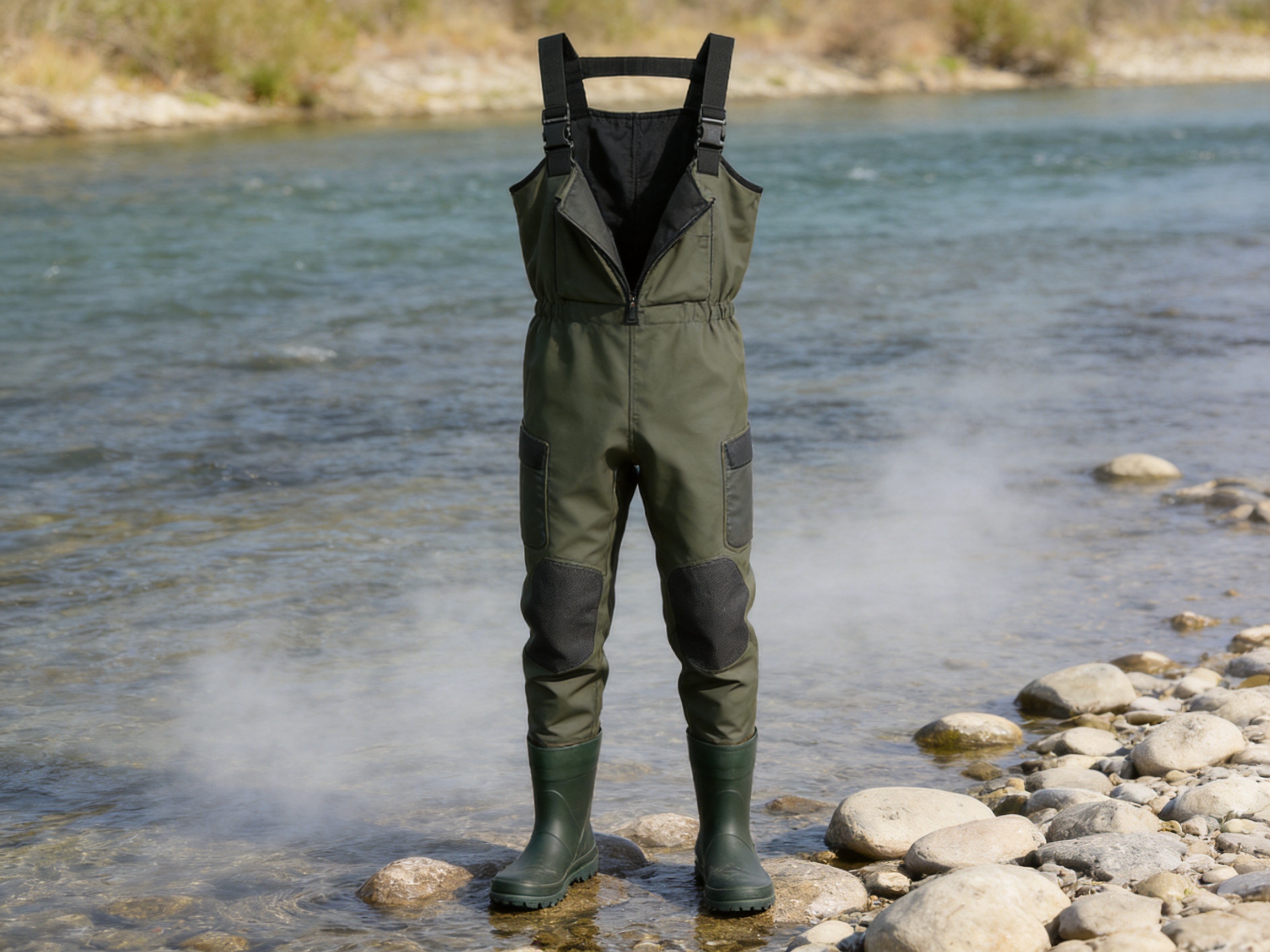
Manufacturing Process Considerations
Although the exact production sequence may vary by order and specification, a professional neoprene wader manufacturing process generally requires careful coordination across several stages. Each stage contributes to the finished product’s fit, durability, and water resistance.
Material Selection and Preparation
The process begins with suitable neoprene materials selected for the intended performance requirements. Material preparation includes checking thickness, appearance, flexibility, and consistency. Accurate material control is important because differences in thickness or stretch can affect fit, comfort, seam alignment, and the final appearance of the wader.
Pattern Development
Panels must be shaped according to the required size range and garment design. Pattern development influences how the wader fits around the torso, legs, knees, seat, and boot connection. A well-developed pattern allows room for movement without creating unnecessary bulk or excessive loose material.
Panel Cutting
Neoprene panels are cut to match the approved patterns. Cutting accuracy is essential because small variations can create tension at the seams or cause asymmetry between the left and right sides. For a product offered in sizes S through XXXL, consistent grading across the size range is also important.
Seam Assembly
The panels are joined using GBS construction. Careful alignment and controlled assembly help create consistent seam lines and reduce the risk of weak or uneven joining points. The production team must pay particular attention to areas that experience repeated movement, such as the knees, seat, crotch, upper body, and shoulder attachment zones.
Waterproof Tape Application
Key inner seams are reinforced with waterproof tape. Correct placement and secure adhesion are important because the tape must support the seam without causing uncomfortable bulk or separating during use. This stage requires attention to surface preparation, alignment, and finishing.
Reinforcement Installation
Extra-thick neoprene panels are added at the knees to protect high-wear areas. The reinforcement must be positioned accurately so that it strengthens the knee without interfering with bending or crouching. The same principle applies to other areas where straps, pockets, or boots connect to the main body.
Suspender and Pocket Assembly
The H-shaped adjustable shoulder straps and front chest pocket are attached after the main body components are prepared. These components must be positioned for practical use and secure attachment. The suspension system should remain stable under the weight of the wader and normal movement, while the pocket should be reachable without compromising the chest seam structure.
Boot Integration
The vulcanized rubber boots are integrated with the lower wader body. This connection requires attention to alignment, sealing, and mechanical strength. The boot and wader must function as a single unit during walking, bending, and water exposure.
Inspection and Finishing
Finished products should be checked for appearance, dimensional consistency, seam condition, strap operation, pocket attachment, reinforcement placement, and boot integrity. Practical inspection helps identify issues before products are packed and shipped to customers.
Quality-Oriented Production for OEM and ODM Customers
Private-label and OEM buyers need more than a standard catalog product. They need a manufacturing partner capable of maintaining consistent specifications across repeat orders. Key requirements may include color, size grading, branding, packaging, label placement, material details, and target-market preferences.
Yiheng’s experience in both raw neoprene materials and finished products provides a useful foundation for this type of cooperation. A buyer can discuss the desired balance of warmth, mobility, durability, and cost with a manufacturer that understands the material from an upstream and finished-garment perspective.
ODM development is also relevant when a customer wants to create a product with market-specific features. For example, a buyer may request adjustments to the pocket, suspenders, reinforcement placement, boot style, color combination, or size assortment. The product’s existing design offers a practical starting point for such discussions, while the manufacturer’s product experience supports adaptation to different customer requirements.
Long-term supply support is important for seasonal outdoor products. Fishing waders may be purchased in preparation for spring, summer, autumn, or regional fishing seasons, and buyers need confidence that replenishment can be managed. A factory with established production space, professional employees, and a broader product portfolio may be better equipped to support recurring orders than a small trading-only supplier.
Applications Across Different Outdoor Markets
Recreational Fishing
For recreational anglers, the wader offers full-body protection, thermal comfort, integrated boots, and convenient chest storage. It can be used for river fishing, stream fishing, lake-edge fishing, and other activities where entering shallow or moderately deep water is useful.
Professional Guiding
Fishing guides need equipment that can withstand repeated use and changing conditions. Reinforced knees, durable boots, adjustable suspenders, and water-protective seams support the practical demands of guiding work.
Cold-Weather Fishing
The neoprene construction provides an insulating layer for users who fish during cooler seasons. Layering underneath may be used according to the weather and fit requirements, but the wearer should always ensure that clothing does not make the wader excessively tight.
Shoreline and Outdoor Maintenance
The product may also be suitable for certain shoreline maintenance, pond work, habitat management, and outdoor tasks where waterproof chest-level coverage is required. Users should evaluate the specific work environment and hazards before selecting any wader.
Retail and Private-Label Collections
For outdoor retailers and fishing brands, the product can form part of a broader collection that includes wetsuits, drysuits, rash guards, neoprene accessories, and water sports equipment. Its broad size range supports a more complete retail offering.
Fit and Sizing Guidance
The product is available in sizes S, M, L, XL, XXL, and XXXL. Customers should refer to the applicable measurement chart before ordering. Chest width, inseam, boot size, body height, and the amount of clothing worn underneath should all be considered.
A wader should allow comfortable movement without excessive looseness. If it is too tight, the user may experience restricted movement and increased tension at seams or suspenders. If it is too loose, the garment may become bulky and less comfortable while walking. The adjustable shoulder straps help refine the fit, but they cannot replace the selection of an appropriate base size.
Retailers should communicate sizing clearly and encourage customers to consider seasonal layering. A person who wears the wader over thermal clothing may require a different size than someone who uses it over a lightweight base layer. Clear sizing information can reduce returns and improve customer satisfaction.
Care, Storage, and Product Longevity
Proper care can help preserve the performance of neoprene and rubber components. After use, the wader should be rinsed when necessary to remove mud, sand, salt, plant residue, and other contaminants. It should then be dried thoroughly in a suitable ventilated location before storage.
Users should avoid folding the product while it is wet for extended periods. Damp storage can create unpleasant odors and may affect materials over time. It is also advisable to keep the wader away from sharp tools, excessive heat, direct high-temperature sources, and chemicals that are not intended for neoprene or rubber products.
When inspecting the wader, users should check the seams, waterproof tape, knee areas, suspenders, pocket attachment, boot connection, and boot surface. Early identification of wear allows the user to address minor problems before they become more serious. Fishing hooks, knives, and barbed equipment should be handled carefully because they can puncture or cut the material.
Good maintenance is not only a consumer responsibility; it is also a product-value consideration for retailers and brands. Clear care instructions can improve the customer experience, reduce avoidable complaints, and help users receive the expected service life from the product.
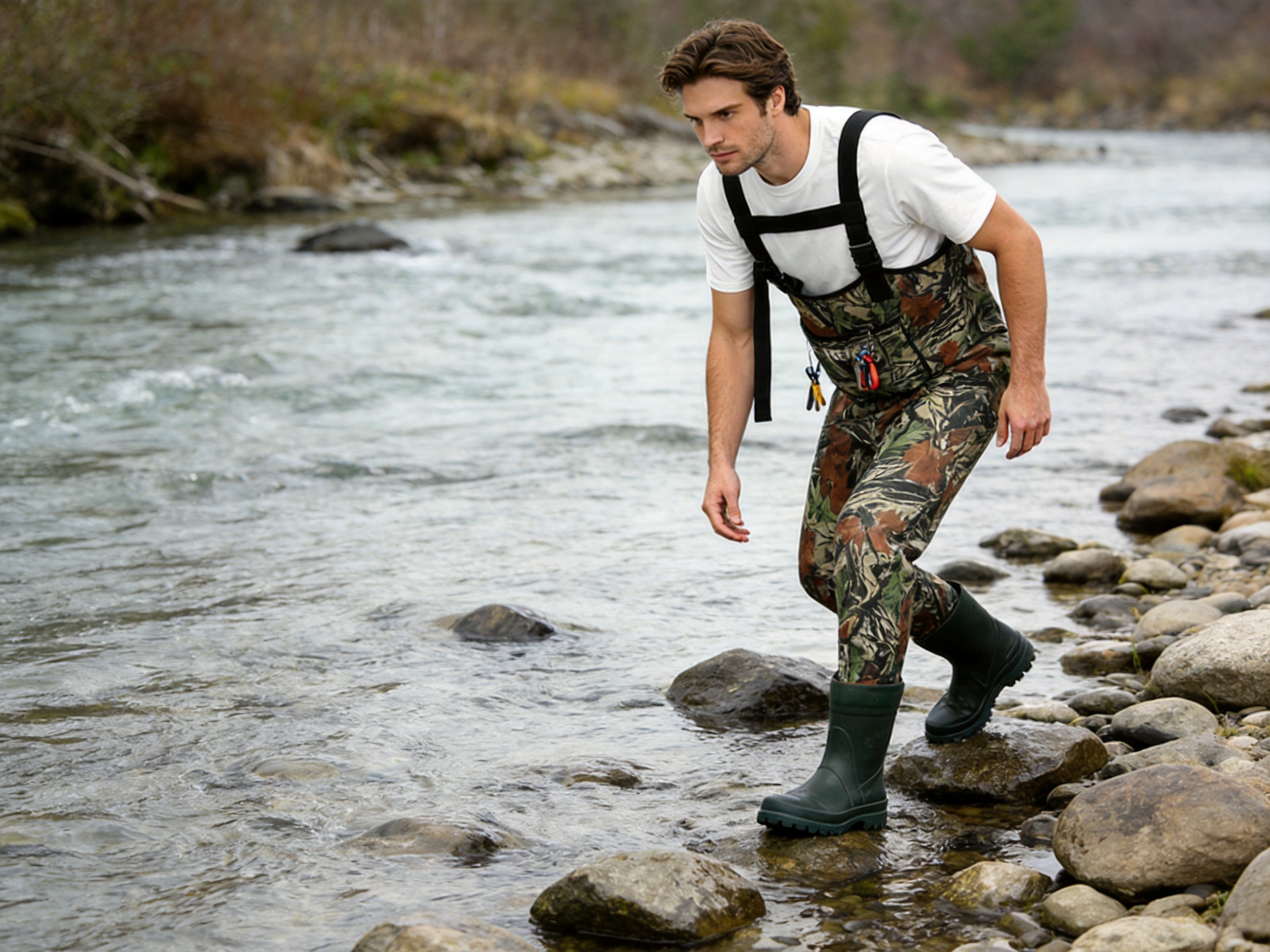
Why This Product Is a Strong Market Option
The Classic Neoprene Bootfoot Chest Fishing Wader presents a balanced combination of features aimed at real-world outdoor use. It offers the warmth and flexibility associated with neoprene, the water-protection benefits of GBS seams and internal waterproof tape, the support of H-shaped adjustable suspenders, the durability of reinforced knee panels, and the convenience of integrated vulcanized rubber boots.
Its design is practical rather than unnecessarily complicated. The chest pocket is easy to understand, the bootfoot format simplifies preparation, and the size range supports a broad customer base. These characteristics can make the product attractive to both end users and professional buyers seeking a dependable fishing wader with a clear value proposition.
The manufacturing background further strengthens the product’s position. More than 18 years of experience in neoprene fabrics and finished products, a factory of more than 15,000 square meters, and a professional workforce of over 120 employees provide a solid production foundation. The company’s experience in OEM, ODM, retail-oriented product development, and long-term supply support is relevant to customers who need more than one-time purchasing.
Compared with basic waders that offer limited reinforcement, fixed straps, separate footwear, or minimal seam treatment, this product provides a more complete equipment solution. It is designed to help users stay dry, remain comfortable, move naturally, and carry essential tools during long hours around water.
Q&A
What type of product is the Classic Neoprene Bootfoot Chest Fishing Wader?
It is a full-body neoprene fishing wader with integrated vulcanized rubber boots. The design extends from the feet to the chest and is intended for fishing and other water-related outdoor activities.
What material is used for the main body?
The main body is made from neoprene. Neoprene provides flexibility and an insulating layer that can improve comfort in cool water and outdoor conditions.
How are the seams constructed?
The wader uses GBS seam construction. Key inner seams are additionally reinforced with waterproof tape to help reduce water entry and support durability.
Does the wader include adjustable suspenders?
Yes. It includes cross adjustable shoulder suspenders in an H-shaped configuration. This design helps distribute weight across the shoulders and allows the wearer to adjust the fit.
Are the knees reinforced?
Yes. The knees are reinforced with extra-thick neoprene. This provides additional protection in areas that commonly experience kneeling, bending, and abrasion.
What type of boots are included?
The wader includes integrated vulcanized rubber boots. They provide durable support for walking in wet, muddy, and uneven outdoor environments.
Does the product have storage?
Yes. A front chest open pocket is provided for convenient access to bait, pliers, line accessories, and other small essentials.
What sizes are available?
The available sizes are S, M, L, XL, XXL, and XXXL. Customers should consult the relevant measurement chart and consider the clothing they plan to wear underneath.
Is the product suitable for cold-weather fishing?
The neoprene construction provides insulation and is suitable for many cool-weather fishing situations. The correct size and appropriate layering should be selected to maintain comfort and mobility.
Can the wader be used for activities other than fishing?
It may be suitable for certain shoreline, pond, stream, habitat, and outdoor maintenance activities that require chest-level water protection. Users should evaluate the specific working environment, depth, temperature, and hazards before use.
What makes the bootfoot design convenient?
The boots are integrated with the wader, so users do not need to purchase or coordinate a separate pair of wading boots. This creates a straightforward, ready-to-use equipment solution.
What manufacturing experience supports this product?
The manufacturer began its business journey in 2008 and has more than 18 years of experience in neoprene fabrics and finished products. Its factory covers more than 15,000 square meters and employs more than 120 professional workers.
Does the manufacturer offer OEM or ODM support?
The company focuses on OEM manufacturing, market-oriented ODM development, and long-term supply support. Buyers can discuss product specifications, private-label requirements, and potential design adaptations according to their market needs.
What other product categories does the manufacturer produce?
The product range includes wetsuits, drysuits, fishing waders, rash guards, water sports equipment, and neoprene fabrics. This broader capability supports customers seeking coordinated aquatic apparel and equipment collections.
How should the wader be cared for after use?
Rinse away mud, sand, salt, and other residue when necessary. Allow the wader to dry thoroughly in a ventilated area before storage, and keep it away from sharp objects, excessive heat, and unsuitable chemicals.
Conclusion
The Classic Neoprene Bootfoot Chest Fishing Wader is designed for users who need dependable protection, thermal comfort, mobility, and practical convenience in wet outdoor environments. Its full-body neoprene construction supports insulation and flexibility, while GBS seams and internal waterproof tape help reduce water entry. Reinforced knees address high-wear areas, H-shaped adjustable suspenders improve support, the chest pocket keeps useful accessories nearby, and vulcanized rubber boots complete the integrated design.
These features create a product that is well suited to recreational anglers, professional guides, outdoor workers, retailers, and private-label brands. Its broad size range and straightforward bootfoot construction further support market versatility.
The product is backed by a manufacturer with a long history in neoprene materials and finished goods. Since 2008, Jiangsu Yiheng Sports Products Co., Ltd. has developed experience across manufacturing, retail-oriented product development, OEM, ODM, and long-term supply. With more than 15,000 square meters of factory space, over 120 professional employees, and a product portfolio covering major neoprene and water sports categories, the company offers a substantial production foundation for customers seeking consistent quality and dependable cooperation.
For buyers comparing fishing waders, the most important question is how the complete product performs in real use. By combining insulation, seam protection, reinforcement, adjustable support, integrated footwear, storage, and experienced manufacturing, this neoprene bootfoot chest wader provides a balanced solution for demanding days on the water.
References
1. Product specification information for the Classic Neoprene Bootfoot Chest Fishing Wader, including material, seam construction, reinforcement, suspenders, pocket, boots, and size range.
2. Manufacturer company information regarding business history, production experience, factory area, workforce, product categories, OEM manufacturing, ODM development, and supply support.
3. General technical reference on neoprene materials and their use in thermal insulation, flexible aquatic garments, and outdoor protective equipment.
4. General technical reference on glued and blind-stitched seam construction and waterproof seam reinforcement in neoprene products.
5. General technical reference on vulcanized rubber footwear and its application in wet-environment outdoor equipment.
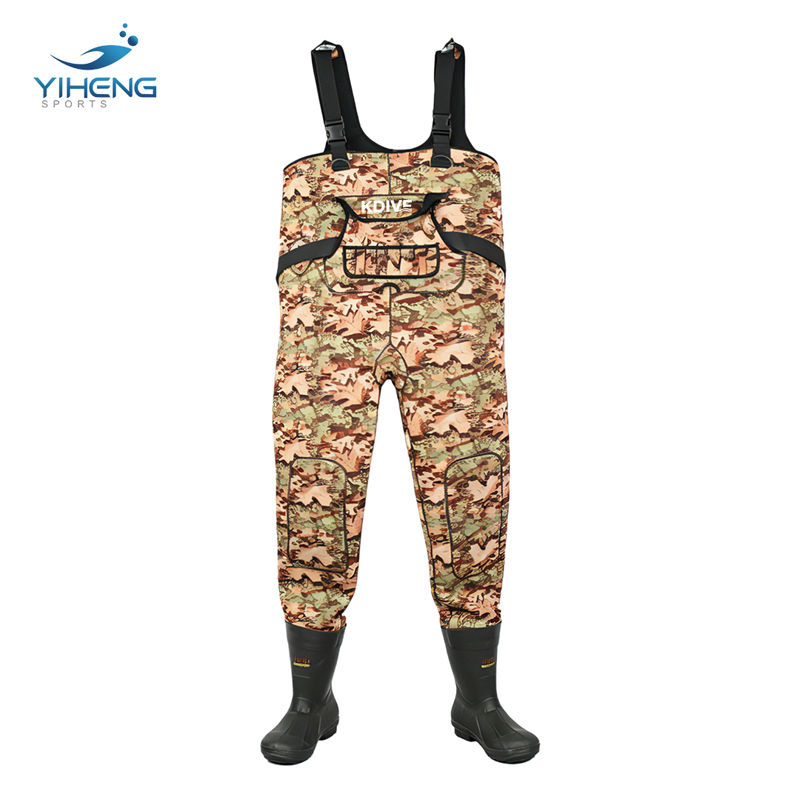
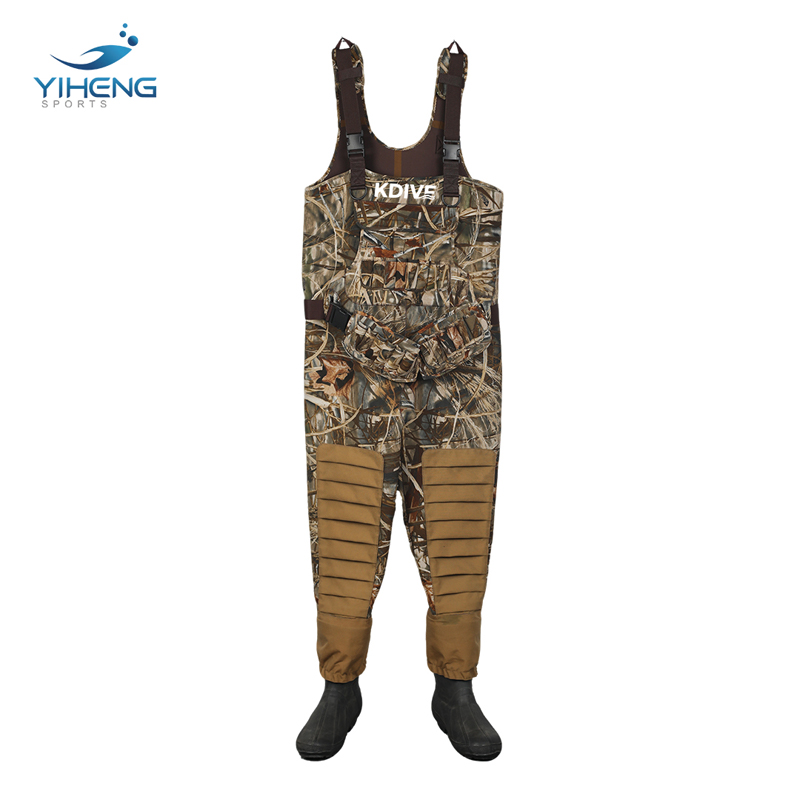
Product: Classic Neoprene Bootfoot Chest Fishing Wader

LET’S DEVELOP YOUR NEXT NEOPRENE PRODUCT LINE
Quick Links
Product Categories
Contact Us
-
 Email: postmaster@yihengsport.com
-
 Mobile: +86-13564100539
-
 No. 480 Jiangping Road, Madian, Binjiang Town, Taixing City, Taizhou City, Jiangsu Province, China.
Copyright © Jiangsu Yiheng Sports Products Co., Ltd. All Rights Reserved
China Wetsuit Manufacturer Neoprene Fabric Manufacturer
