

 Language
 English
 中文简体
 日本語
 русский
 Español
 عربى

Sep, 26, 2026
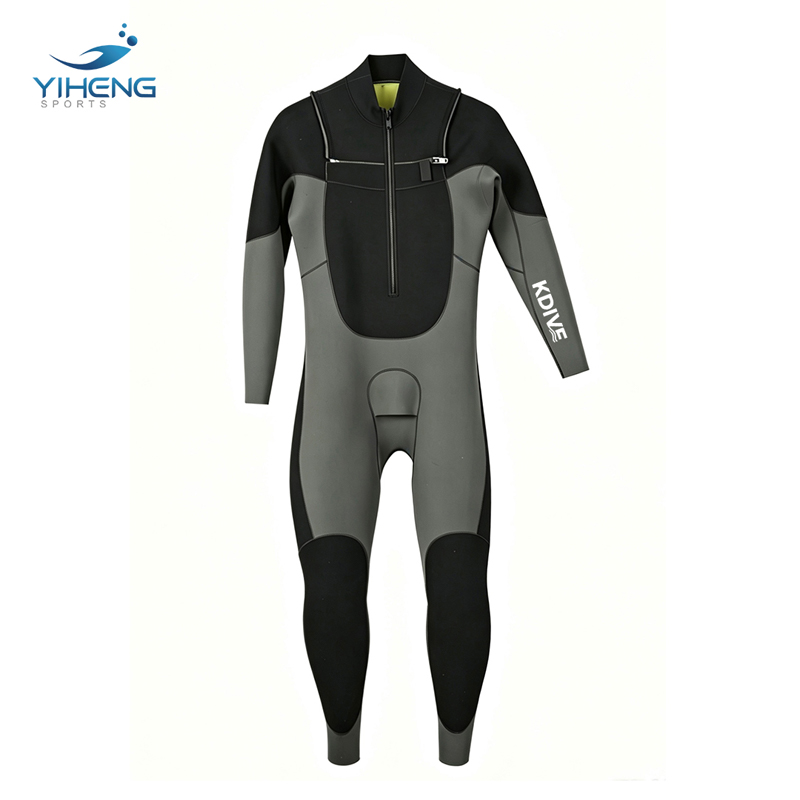
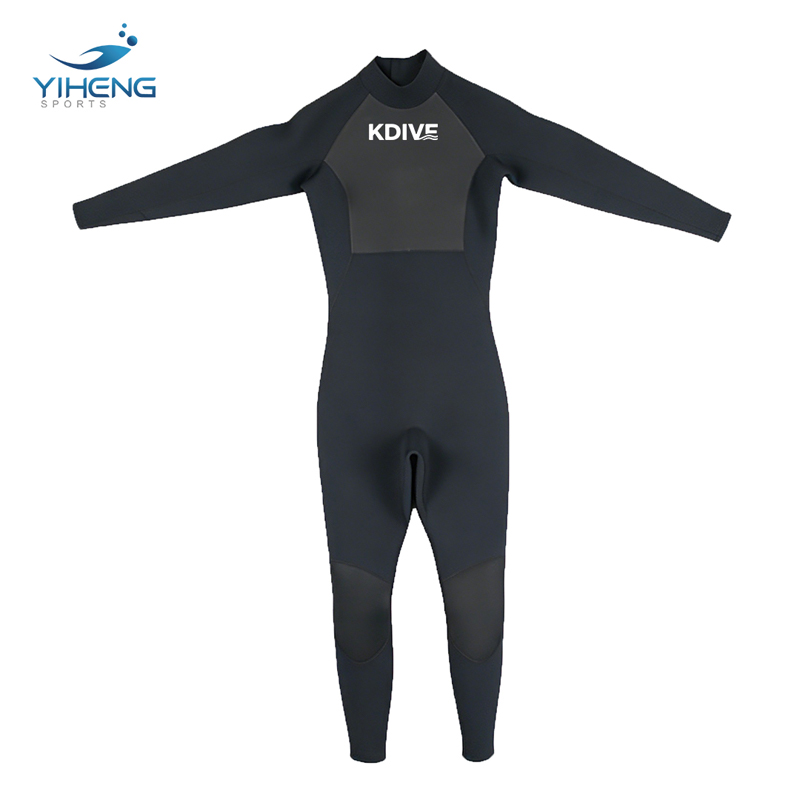
Men’s 4mm Sleeveless Blue GBS Long John Wetsuit for Sailing and Surfing
Choosing the right wetsuit is essential for maintaining warmth, freedom of movement, and comfort during extended time on the water. A well-designed suit must do more than provide insulation. It must work with the body during paddling, sailing, surfing, swimming, and other demanding activities while resisting abrasion, limiting water entry, and remaining comfortable after repeated use.
The men’s 4mm sleeveless blue GBS long john wetsuit is engineered for users who need dependable thermal protection without the bulk associated with a full-sleeve suit. Its one-piece construction combines a super-stretch outer fabric, 4mm CR neoprene, and an inner brushed lining. The result is a balanced garment that supports movement, heat retention, skin comfort, and durability in cool-water environments.
Designed for sailing and surfing, this sleeveless wetsuit is also suitable for coastal training, recreational paddling, kayaking, open-water activities, and other water sports where the legs and torso require reliable insulation while the shoulders and arms need maximum freedom. Its ergonomic panel construction, GBS blind stitching, and reinforced knee and hip zones give it a practical advantage for active users and professional buyers seeking a dependable private-label wetsuit solution.
Product Overview
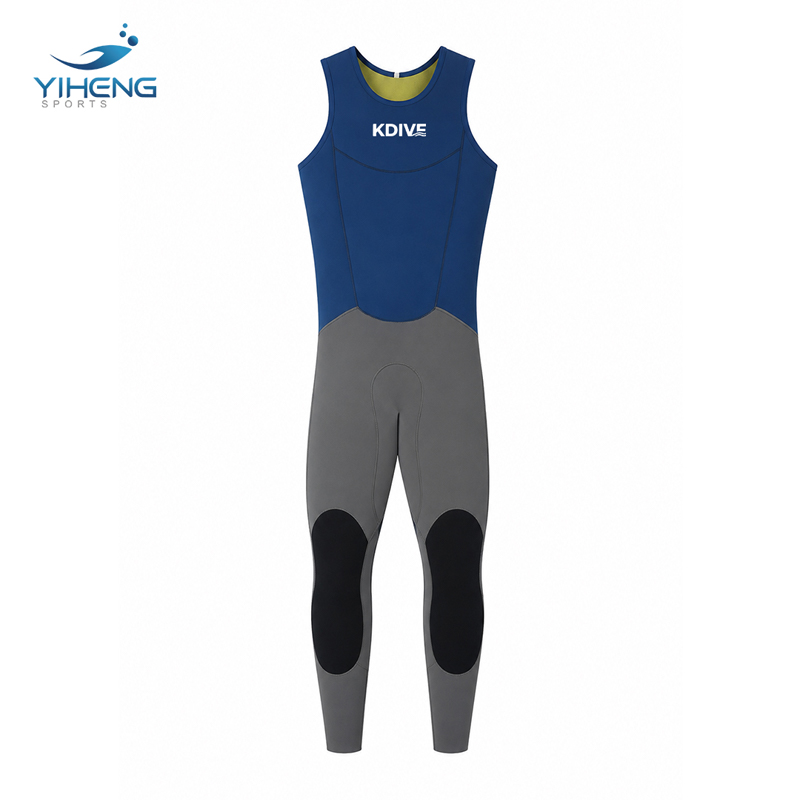
This long john wetsuit uses a sleeveless one-piece design that covers the torso and legs while leaving the arms and shoulders unrestricted. This configuration is especially useful for sports involving repetitive paddling, rope handling, balancing, sailing maneuvers, and powerful leg movement. Compared with a conventional full-sleeve wetsuit, the sleeveless structure reduces material around the shoulders and underarms, helping users twist, reach, and rotate more naturally.
The 4mm CR neoprene core provides a substantial level of thermal insulation for cool water without creating the excessive thickness that can interfere with movement. The neoprene is combined with a high-stretch fabric and brushed inner lining. Together, these layers help the garment follow the body closely, reduce the formation of cold pockets, and create a softer surface against the skin.
The blue and grey color-block design offers a modern appearance suitable for water-sports brands, sailing schools, surf retailers, and private-label collections. A custom logo can be added to the chest, allowing distributors and brand owners to adapt the garment to their own visual identity.
| Product Feature | Specification or Benefit |
|---|---|
| Product type | Men’s sleeveless long john wetsuit |
| Primary applications | Sailing, surfing, paddling, kayaking, and general water sports |
| Neoprene thickness | 4mm CR neoprene |
| Outer construction | Super-stretch fabric |
| Inner construction | Brushed lining for warmth and skin comfort |
| Seam construction | GBS blind stitching with heat-sealed seam protection |
| Color | Blue and grey color block |
| Reinforcement areas | Knees and hips |
| Reinforcement material | Diamond-textured abrasion-resistant fabric |
| Branding option | Custom logo available on the chest |
Men's 4mm Sleeveless Blue GBS Seamless Long John Wetsuit for Sailing & Surfing
Why a Sleeveless 4mm Long John Design Works for Active Water Sports
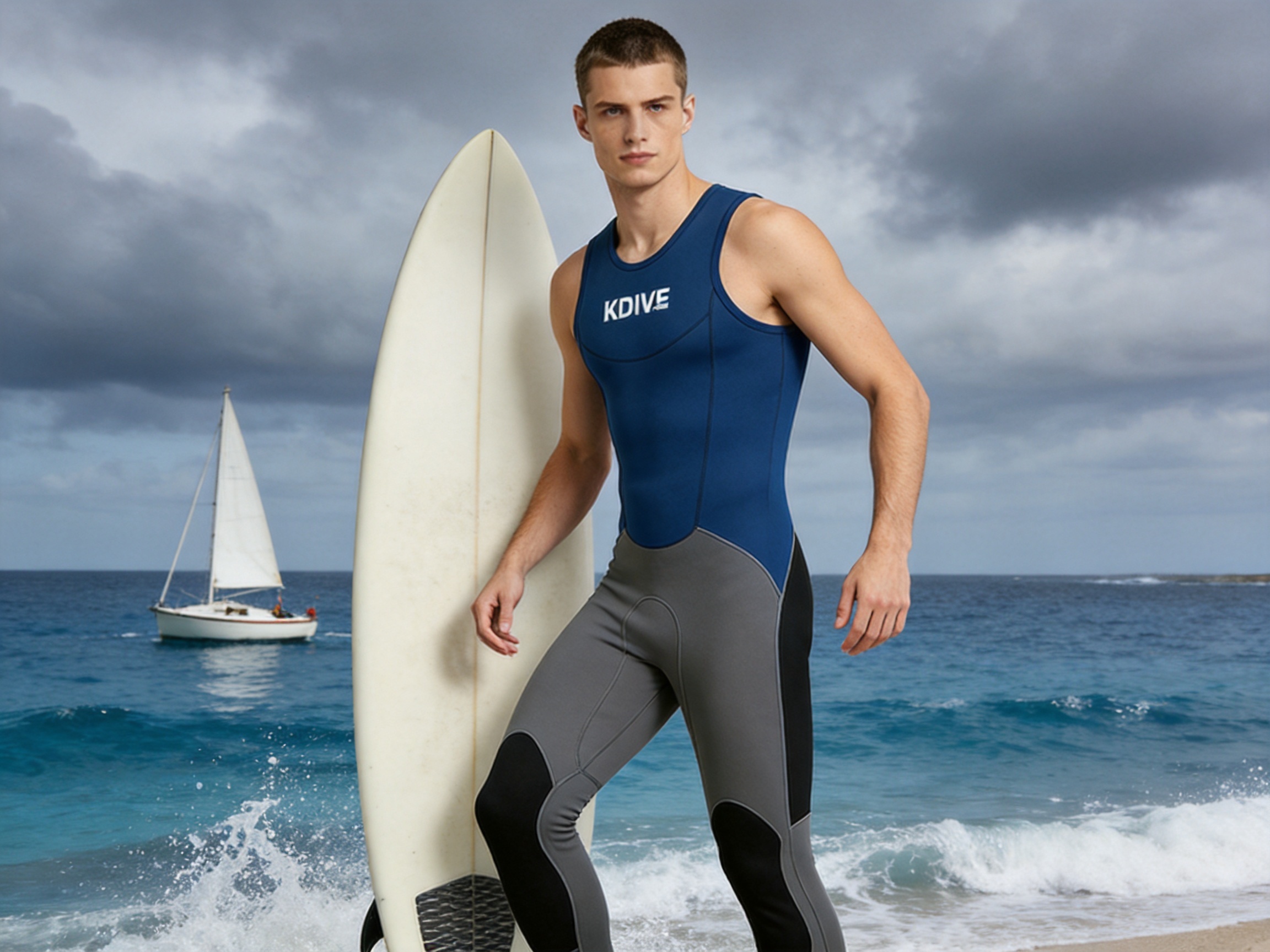
A wetsuit is most effective when its insulation and construction match the activity for which it is used. Sailing and surfing both involve frequent upper-body movement. Sailors may need to pull lines, adjust equipment, climb, balance, and rotate the torso. Surfers paddle repeatedly, push up from the board, and shift between prone, kneeling, and standing positions. In both cases, shoulder mobility is critical.
The sleeveless design removes unnecessary bulk from the upper arms and shoulders. This can make it easier to extend the arms forward, bring the elbows back, and rotate the upper body. It also helps reduce the feeling of compression that may occur when a full-sleeve wetsuit is worn for several hours. At the same time, the long john structure retains coverage over the torso, hips, thighs, knees, and lower legs, where stable insulation is important.
Another advantage is layering flexibility. The garment can be worn on its own in moderate cool-water conditions or combined with a rash guard, thermal top, windproof jacket, or sailing shell when additional protection is needed. This makes it a practical option for users who participate in changing weather conditions and need to adapt their clothing system without purchasing several specialized suits.
The 4mm thickness provides a useful middle ground. A thinner suit may provide insufficient warmth for prolonged exposure, while a much thicker suit can feel restrictive and heavy during active movement. By combining 4mm neoprene with a brushed lining and a close ergonomic fit, this model is designed to balance insulation and mobility.
Movement Benefits for Sailing
Sailing places varied demands on the body. A user may remain seated or crouched for extended periods, then suddenly stand, lean out, pull a line, or shift weight across the boat. The suit must therefore bend at the hips and knees without creating excessive tension around the waist or shoulders.
The segmented panel pattern follows the body’s movement curves. Instead of treating the torso and legs as flat surfaces, the construction divides the garment into shaped sections that correspond to areas of flexion. This improves the way the material folds and stretches when the wearer sits, squats, twists, or reaches.
The sleeveless upper section also supports efficient layering beneath a sailing jacket. Because there is less neoprene at the arms, it can be easier to put on an outer shell without creating excessive tightness around the sleeves. This can be especially valuable for sailing schools, racing teams, and professional users who spend long periods wearing multiple layers.
Movement Benefits for Surfing
Surfing involves repeated paddling and fast transitions. The wearer needs to lift the chest, rotate the shoulders, drive the legs, and stand quickly on the board. A poorly designed wetsuit can restrict the shoulders or pull across the knees during these movements.
The super-stretch fabric helps the suit follow the body instead of resisting it. The long john silhouette leaves the shoulders free for paddling while maintaining coverage through the core and legs. Reinforced knee panels are also valuable because surfers frequently place pressure on their knees when transitioning from paddling to standing or when riding in a kneeling position.
Compared with basic low-cost suits made from less flexible materials, this construction is intended to deliver a more natural range of motion. That difference can reduce fatigue during long sessions and help users concentrate on balance, technique, and performance rather than clothing discomfort.
Three-Layer Heat-Locking Construction
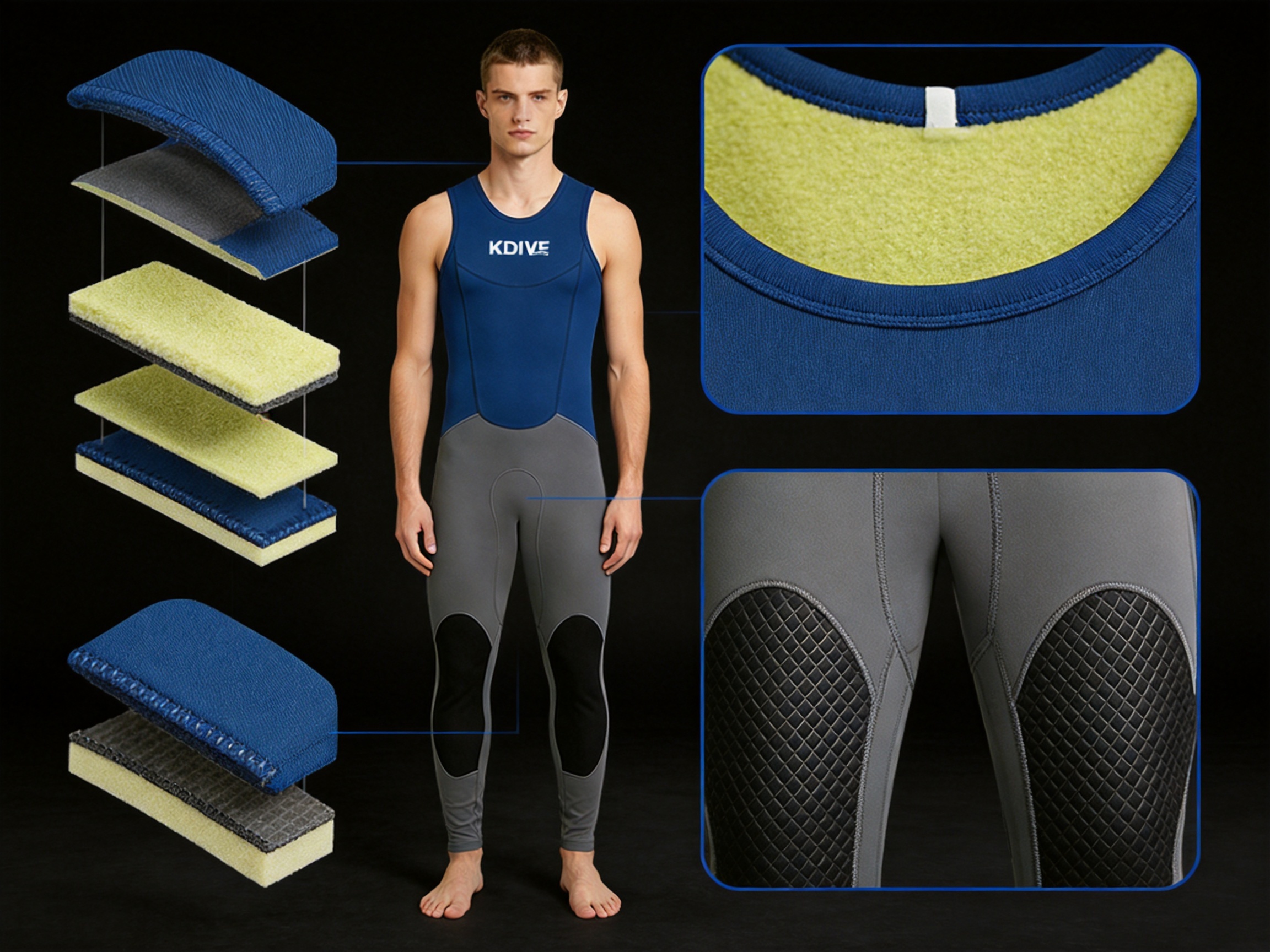
Thermal performance depends on more than neoprene thickness. The quality of the outer surface, the insulation core, the inner lining, and the seams all influence how effectively a wetsuit protects the wearer from cold water. This model uses a three-layer heat-locking structure to address these factors as an integrated system.
Super-Stretch Outer Fabric
The outer fabric is designed to provide flexibility and help protect the neoprene core during normal use. A flexible outer layer is important because a rigid surface can limit the expansion and contraction of the neoprene underneath. High stretch also supports a closer fit around curved body areas, reducing loose sections where water can circulate unnecessarily.
In practical use, the outer fabric helps the suit remain responsive as the wearer bends the knees, rotates the torso, or extends the legs. It also contributes to a smoother appearance and supports the color-block design. For private-label customers, the outer surface provides a suitable foundation for consistent product presentation across a branded collection.
4mm CR Neoprene Insulation
CR neoprene is widely used in wetsuit construction because it combines flexibility, buoyancy, resilience, and thermal insulation. The 4mm core in this model creates a meaningful barrier against cold water while remaining suitable for active movement. The neoprene traps insulating air within its cellular structure, helping reduce the rate at which body heat is lost to the surrounding water.
Neoprene does not make a wearer completely impervious to cold. Its performance depends on correct sizing, proper fit, water temperature, activity level, exposure duration, and the use of compatible layers. However, a well-fitted 4mm structure can significantly improve comfort in cool water compared with ordinary swimwear or thin fabric garments.
Brushed Inner Lining
The inner brushed lining is designed to improve both warmth and touch comfort. Its soft surface rests against the skin and helps retain a layer of warm air. It can also make the garment feel more comfortable during long sessions, particularly when the wearer is moving repeatedly or wearing the suit for training and instruction.
A brushed lining may also make the suit feel warmer when first entering the water because it reduces the direct sensation of cold neoprene against the skin. This is useful for recreational users who may spend time preparing equipment, waiting for suitable conditions, or entering and exiting the water repeatedly.
The combination of the three layers is more effective than considering any one material in isolation. The outer fabric supports flexibility and surface protection, the neoprene provides the principal insulation, and the brushed lining improves heat retention and next-to-skin comfort.
GBS Blind Stitching and Seam Protection
Seams are among the most important structural areas of a wetsuit. Even high-quality neoprene can lose thermal efficiency if seams allow excessive water penetration or become weak through repeated stretching. This product uses GBS blind stitching, a construction method developed to reduce water movement through the seam line while preserving flexibility.
In blind stitching, the needle does not pass completely through the neoprene in the same way as a basic through-stitch. The panels are joined with a stitch pattern intended to maintain a more effective barrier. Heat-sealed seam protection further helps minimize water infiltration and supports the stability of the internal temperature.
The term “seamless” is often used in product descriptions to communicate a reduced-seam or highly sealed construction. In practical manufacturing terms, this wetsuit uses carefully joined panels with GBS blind stitching and heat-sealed seam treatment rather than being formed as one completely uninterrupted piece. This distinction is important for buyers who want an accurate understanding of construction quality.
Compared with entry-level flat-stitched wetsuits, GBS construction can offer advantages in thermal consistency and long-term comfort. Flat stitching may create raised internal ridges, while properly controlled blind stitching can reduce the feeling of roughness and minimize direct water pathways. The result is a cleaner interior and a more dependable barrier in cool-water use.
Why Seam Quality Matters
Seams must accommodate stretching whenever the wearer bends or extends the body. If the thread tension is too high, the seam may feel restrictive. If it is too low, the panels may shift or open under stress. Consistent sewing parameters, suitable adhesives, accurate panel alignment, and controlled sealing are therefore essential.
Professional wetsuit production requires more than simply selecting a thick neoprene sheet. The material must be inspected, cut accurately, assembled in the correct sequence, stitched with appropriate tension, and checked for defects. The quality of each stage influences the fit, thermal behavior, durability, and appearance of the final product.
Ergonomic 3D Zoned Cutting
The body is not flat, and a wetsuit made from unshaped rectangular sections can create folds, pressure points, and unnecessary resistance. The ergonomic 3D zoned cutting approach divides the suit into panels that correspond to the natural curves and movement patterns of the human body.
At the torso, shaped panels help create a close fit without excessive looseness. Around the hips, the construction is designed to follow the transition from the waist to the upper legs. At the knees, shaped sections support bending and reduce the concentration of stress in a single direction. This zoning also allows the manufacturer to place different materials or reinforcement treatments where they provide the greatest practical value.
A close fit is important for thermal performance because a loose wetsuit may allow water to circulate between the body and the neoprene. However, a suit that is too tight can restrict breathing, movement, and comfort. Ergonomic cutting helps achieve the middle ground: close enough to limit unnecessary water exchange, but flexible enough to support active use.
For distributors and buyers, ergonomic cutting can be a meaningful point of differentiation. Many inexpensive products focus primarily on material thickness while paying less attention to panel engineering. A more carefully shaped product can provide a noticeably better experience even when two suits use similar nominal neoprene thicknesses.
Reinforced Knees and Hips for Demanding Use
Knees and hips are high-wear areas in many water sports. These zones can contact surfboards, boat decks, hull surfaces, docks, beach gravel, and other abrasive materials. They also experience repeated bending and compression during kneeling, crawling, climbing, launching, and landing.
This wetsuit uses diamond-textured reinforcement fabric on the knee and hip areas. The additional layer is intended to reduce direct wear on the underlying neoprene and help resist tearing caused by friction. The textured surface also contributes to a more technical appearance, reinforcing the impression that the garment is designed for active use rather than occasional recreational swimming.
Reinforcement must be carefully integrated. If a patch is too stiff, it can restrict the joint underneath. If it is too thin or poorly bonded, it may detach or fail to provide meaningful protection. The placement of the reinforcement on the knee and hip zones reflects a practical approach: add durability where the user is most likely to experience contact and friction while preserving flexibility in the surrounding panels.
For sailing users, hip reinforcement can be valuable when sitting against boat structures, moving across benches, or working in confined areas. For surfers, knee reinforcement supports repeated transitions on the board and contact with textured deck surfaces. For recreational paddlers, both areas benefit from additional protection during launch and recovery.
Material Selection and Manufacturing Strengths
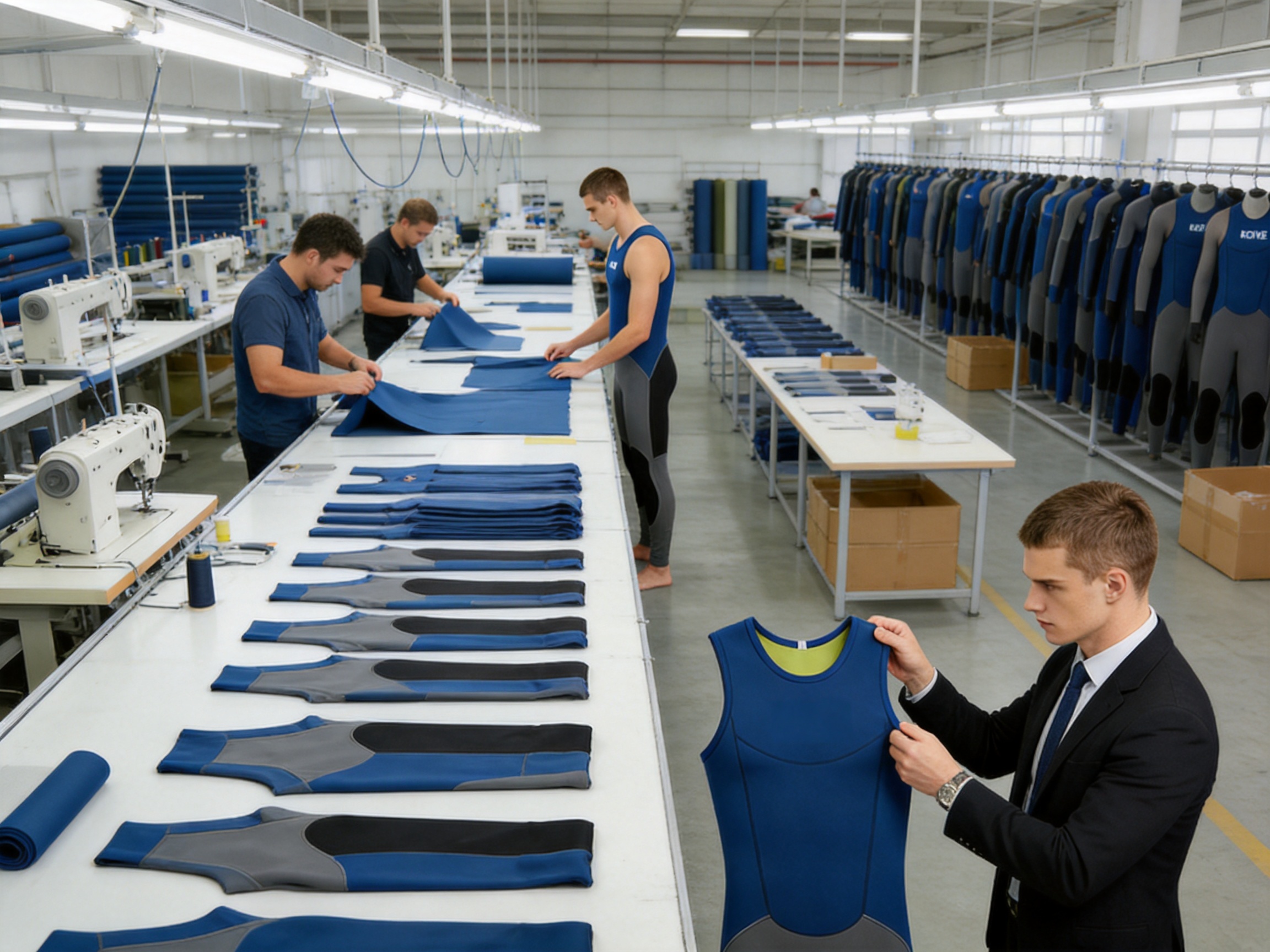
The performance of a wetsuit depends on the relationship between raw materials, pattern engineering, assembly skill, and quality control. Jiangsu Yiheng Sports Products Co., Ltd. operates as a manufacturer focused on neoprene materials and finished products. Its product range includes wetsuits, drysuits, fishing waders, rash guards, water-sports equipment, and neoprene fabrics.
The company’s manufacturing background began in 2008 and has developed through more than 15 years of production experience. Its stated industry experience exceeds 18 years in neoprene fabrics and finished products. This combination of material knowledge and finished-garment production is important because it allows the company to understand the complete product chain, from fabric selection and processing to final assembly and market requirements.
The factory covers more than 15,000 square meters and employs over 120 professional workers. A facility of this scale supports the organization of specialized production stages, material handling, sample development, cutting, sewing, bonding, finishing, inspection, and packing. It also provides a foundation for managing larger orders and maintaining more consistent production procedures.
Integrated Neoprene Expertise
A manufacturer that works with both neoprene fabrics and finished products can evaluate materials according to their real use in the garment. Stretch, surface finish, thickness consistency, bonding compatibility, color stability, and lining performance all influence the final product. Experience with the raw material can therefore support more informed decisions during product development.
This integrated capability is particularly useful for customers developing private-label wetsuits. Buyers may require a certain hand feel, color combination, thickness, logo placement, reinforcement layout, or target market positioning. A manufacturer with experience in both material sourcing and garment construction is better positioned to translate those requirements into a practical production specification.
OEM and ODM Support
The company provides OEM manufacturing, ODM development, and long-term supply support. OEM production is suitable when a buyer already has a defined design, technical pack, logo, color standard, and packaging requirement. ODM development is useful when a buyer wants assistance refining a concept or creating a product based on market demand.
For a private-label wetsuit program, the development process may include selecting neoprene thickness, choosing outer and inner fabrics, adapting the panel design, confirming reinforcement areas, determining seam treatments, placing logos, creating size specifications, and preparing packaging. Each decision influences cost, performance, and customer perception.
Customization can be especially valuable for retailers and distributors that want to avoid offering exactly the same basic product as competing sellers. A distinctive color-block arrangement, custom chest logo, modified reinforcement pattern, or coordinated accessories can help create a more recognizable product line.
Production Experience and Process Control
Wetsuit manufacturing requires repeatable processes. Neoprene panels must be cut accurately so that adjoining pieces align correctly. Sewing and bonding must be performed with appropriate tension and pressure. Heat-sealed areas must be treated consistently. Reinforcement pieces must be positioned accurately and attached securely.
Process control helps reduce common problems such as uneven seams, misaligned panels, inconsistent sizing, loose threads, surface damage, and incomplete bonding. It also improves the ability to reproduce approved samples in subsequent production runs. For importers and brand owners, repeatability is as important as the quality of an individual sample because inconsistent batches can lead to returns and customer complaints.
The manufacturer’s experience across multiple categories may also support practical product knowledge. Wetsuits, drysuits, fishing waders, rash guards, and other neoprene products share certain material and construction principles but have different performance requirements. Experience across these categories can contribute to broader technical understanding.
Advantages Over Basic Competitor Wetsuits
Every wetsuit should be evaluated according to its intended use, fit, water temperature, and price position. The advantages of this model are most apparent when compared with basic suits that use minimal panel shaping, standard flat stitching, limited reinforcement, and low-stretch materials.
Improved Mobility
The sleeveless structure and super-stretch fabric help reduce restriction around the shoulders and arms. This is a clear advantage for sailing and surfing, where upper-body movement is central to performance. Ergonomic 3D cutting further supports movement by shaping the torso, hips, and knees according to body mechanics.
Better Thermal Consistency
The combination of 4mm CR neoprene, a brushed lining, and GBS blind stitching helps maintain a more stable internal environment than a thin, loosely fitted, or poorly sealed suit. The design aims to reduce cold-water circulation and preserve body heat during active use in cool water.
Greater Resistance to Wear
Diamond-fabric reinforcement on the knees and hips addresses the areas most likely to experience contact. This can provide a longer service life than an unreinforced suit, particularly for users who frequently kneel, sit against hard surfaces, or launch from rough shorelines.
More Suitable for Private Label Programs
The option to add a custom chest logo allows buyers to build a branded product rather than resell an entirely generic garment. Combined with OEM and ODM support, this creates opportunities for retailers, sporting-goods companies, clubs, schools, and distributors to develop products that match their market position.
Balanced Specification
The product does not depend on thickness alone. Its value comes from the interaction of 4mm insulation, high stretch, ergonomic construction, brushed comfort, sealed stitching, and targeted reinforcement. This balanced specification can be more useful than a heavier but less flexible suit for active users.
Applications and Target Buyers
The primary applications are sailing and surfing. The suit is also suitable for recreational paddling, kayaking, coastal exploration, open-water training, beach instruction, and general water-sports use. Its sleeveless profile makes it particularly relevant to activities where shoulder freedom is more important than full arm coverage.
Sailing schools can use this type of wetsuit for student training, especially in conditions where learners may spend long periods on the water and need a practical balance of warmth and mobility. Sailing clubs may choose it as part of a team or club apparel program, using custom chest branding to create a unified appearance.
Surf retailers can position the product as a cool-water option for customers who prefer unrestricted shoulders. The blue and grey color block provides a contemporary visual style, while the 4mm construction and reinforced areas communicate technical utility.
Water-sports distributors may also find the product suitable for private-label programs. A distributor can specify colors, logo placement, packaging, size ranges, and related accessories to create a coordinated collection. Because the company manufactures several neoprene categories, it may be possible to develop complementary rash guards, waders, gloves, or other products for the same customer base.
Outdoor rental businesses and activity providers should evaluate sizing, cleaning procedures, and expected usage before placing an order. For these buyers, durability and ease of maintenance are often as important as appearance. Reinforced high-wear zones and robust seam construction can support more frequent use, although proper care remains essential.
Fit, Sizing, and User Comfort
Wetsuit performance depends heavily on fit. A 4mm suit that is too loose may allow excessive water exchange and feel cold. A suit that is too tight may restrict breathing, cause discomfort, and place unnecessary stress on seams. Buyers should use an accurate size chart based on chest, waist, hip, inseam, and height measurements rather than selecting a size solely by usual clothing size.
The suit should fit closely against the torso, hips, and legs without creating severe pressure points. The material should lie smoothly against the skin, and the wearer should be able to bend the knees, rotate the shoulders, and take a full breath. Minor resistance is normal because neoprene is designed to fit close to the body, but sharp discomfort or excessive compression indicates that a different size or pattern may be required.
When trying on a wetsuit, users should inspect the shoulder and underarm areas even though this model is sleeveless. The upper edge should remain secure without cutting into the skin. The waist and leg openings should maintain contact without rolling excessively. The knees should align with the shaped knee panels so that the reinforcement remains correctly positioned during movement.
Retailers should provide clear fitting guidance to customers. A well-explained size-selection process can reduce returns and improve satisfaction. For private-label buyers, it is also important to approve a detailed measurement chart before bulk production, because small differences in grading can affect the comfort and performance of the finished range.
Care and Maintenance Recommendations
Proper care can extend the service life of neoprene products. After use, the wetsuit should be rinsed thoroughly with fresh water to remove salt, sand, chlorine, and other contaminants. It should then be allowed to dry naturally in a ventilated area away from direct sunlight and intense heat.
Excessive heat can damage adhesives, affect the surface fabric, and accelerate the aging of neoprene. Users should avoid placing the suit on radiators, using high-temperature dryers, or leaving it on a hot vehicle surface. The suit should not be stored while wet because prolonged moisture can create unpleasant odors and encourage material deterioration.
When putting on or removing the suit, users should avoid pulling aggressively on thin fabric edges or using fingernails to grip the neoprene. Rolling the material gradually and using the palms of the hands can reduce stress. Jewelry and sharp objects should be removed before dressing to minimize the risk of punctures.
The suit should be stored in a cool, dry place without being compressed under heavy equipment. Long-term sharp folding can create creases, so hanging or loosely laying the suit in a suitable position is preferable. Users should inspect the seams, reinforcement areas, and surface after demanding sessions. Early attention to minor damage can help prevent a small defect from becoming a major repair.
Private-Label and Custom Branding Opportunities
Custom branding enables buyers to adapt this wetsuit to a specific market identity. A logo on the chest offers visible brand placement without interfering with the movement zones or high-contact areas. It can be used for retail brands, sailing clubs, training organizations, tour operators, surf schools, and equipment distributors.
Brand owners may also consider coordinating the wetsuit with other products. A matching rash guard can provide additional upper-body coverage. A complementary jacket can extend the usable temperature range. Fishing waders, gloves, boots, bags, and other neoprene accessories can form a broader product family.
During development, buyers should confirm the logo method, dimensions, colors, position, and durability requirements. The branding process should be tested on the actual outer fabric because surface texture and stretch can influence the final appearance. Buyers should also approve a pre-production sample before authorizing mass production.
Packaging is another opportunity for differentiation. A private-label customer may specify hangtags, care labels, size stickers, polybags, cartons, and instruction materials that reflect the brand’s identity. Consistent packaging can improve the presentation of the product and make it easier for retailers to organize inventory.
Quality Evaluation for Wholesale Buyers
Wholesale buyers should evaluate more than the visual appearance of a sample. The first step is to confirm the material specification, including neoprene type, nominal thickness, stretch characteristics, outer fabric, and inner lining. The buyer should then inspect the panel alignment, seam consistency, reinforcement placement, logo quality, and overall sizing.
Seams should be examined for loose threads, uneven stitching, exposed edges, incomplete sealing, or signs of adhesive failure. Reinforcement areas should lie flat and remain securely attached. The brushed lining should be consistent across the designated interior zones. The color-block sections should match the approved sample and remain visually balanced.
Buyers should also conduct practical fitting tests. Several users with different body shapes can try on samples and perform movements such as squatting, reaching, twisting, kneeling, and extending the legs. These tests help identify pressure points that may not be visible when the suit is placed on a flat surface.
For larger orders, a documented inspection plan can help maintain consistency. Such a plan may include measurements, visual standards, seam checks, logo placement, color comparison, packaging inspection, and random sampling. Clear acceptance criteria reduce misunderstandings between the buyer and manufacturer.
Environmental and Operational Considerations
Wetsuit buyers increasingly consider the full operating life of a product. Durable construction can reduce the frequency of replacement, which may lower the material consumption associated with repeated purchasing. Reinforced areas, sealed seams, and suitable care can all contribute to a longer useful life.
Manufacturing efficiency also matters. Accurate cutting can reduce material waste, while organized production planning can improve consistency and reduce unnecessary rework. A factory with dedicated space, trained employees, and experience across neoprene categories is better positioned to develop repeatable procedures.
Users can support product longevity through responsible maintenance. Rinsing after each use, drying correctly, avoiding sharp objects, and repairing small problems early can keep the wetsuit in service for longer. Retailers and brands can include care instructions with the product to help customers protect their investment.
Frequently Asked Questions
What activities is this wetsuit designed for?
The wetsuit is designed primarily for sailing and surfing. It can also be used for paddling, kayaking, open-water training, coastal recreation, and other water sports that benefit from torso and leg insulation with unrestricted shoulder movement.
Why is the wetsuit sleeveless?
The sleeveless design leaves the arms and shoulders free for paddling, rope handling, balancing, and torso rotation. It reduces bulk in the upper body while preserving coverage over the core and legs.
What does 4mm neoprene mean?
It refers to the nominal thickness of the CR neoprene insulation layer. A 4mm structure provides a balance between warmth and flexibility for cool-water activities. Actual comfort depends on fit, water temperature, activity level, exposure duration, and the use of additional layers.
What is GBS blind stitching?
GBS means glued and blind stitched. The panels are joined using a stitch method intended to limit penetration through the neoprene, and adhesive or heat-sealed treatment helps reduce water entry through the seams. This construction can provide better thermal consistency than basic flat stitching.
Is the wetsuit completely seamless?
The product uses a reduced-water-entry seam construction with GBS blind stitching and heat-sealed protection. It is assembled from shaped panels, so “seamless” should be understood as a description of the sealed, low-profile construction rather than a claim that the garment has no panel seams at all.
What is the purpose of the brushed inner lining?
The brushed lining provides a softer next-to-skin feel and helps retain warmth. It also reduces the sensation of cold neoprene when the suit is first worn and supports comfort during longer sessions.
Where are the abrasion reinforcements located?
Diamond-textured abrasion-resistant fabric is applied to the knees and hips. These areas commonly experience friction from boards, boat surfaces, decks, gravel, and repeated kneeling or sitting.
Can a company add its own logo?
Yes. A custom logo can be added to the chest. Buyers should confirm the artwork, size, color, application method, position, and durability requirements during the sample-approval process.
Is this wetsuit suitable for very cold water?
The 4mm specification is intended for cool-water use, but suitability depends on the individual, activity, water temperature, wind, exposure time, and layering system. For extremely cold conditions, users may require a thicker full suit, additional thermal garments, gloves, boots, a hood, or professional cold-water guidance.
How should the suit be cleaned?
Rinse the suit with fresh water after use, especially after exposure to salt water or chlorine. Dry it naturally in a ventilated place away from direct sunlight and strong heat. Follow the care instructions supplied with the final product.
Can the product be developed as a private-label item?
Yes. The manufacturer offers OEM manufacturing and ODM development support. Buyers can discuss colors, logos, material specifications, reinforcement details, sizing, packaging, and other requirements according to their target market.
What should buyers confirm before placing a bulk order?
Buyers should confirm the approved sample, material specifications, size chart, color standards, logo artwork, seam construction, reinforcement placement, packaging, labeling, inspection requirements, production schedule, and shipping documentation.
Conclusion
The men’s 4mm sleeveless blue GBS long john wetsuit combines thermal insulation, flexible movement, ergonomic construction, and targeted durability in a practical design for sailing and surfing. Its sleeveless profile supports shoulder mobility, while the 4mm CR neoprene core protects the torso and legs from cool-water exposure. The brushed lining improves comfort, and the super-stretch fabric helps the suit move naturally with the wearer.
GBS blind stitching and heat-sealed seam protection help reduce water infiltration and support stable thermal performance. Ergonomic 3D zoned cutting improves the fit around the torso, hips, and knees, while diamond-fabric reinforcements strengthen the areas most exposed to friction. These features give the product a stronger technical position than basic wetsuits that rely on simple panel shapes, standard stitching, and unreinforced surfaces.
For retailers, distributors, sailing schools, surf brands, and water-sports businesses, the product also offers private-label potential. Custom chest branding, OEM production, ODM development, and the manufacturer’s experience with neoprene fabrics and finished products provide a foundation for building a differentiated product range.
With more than 15 years of production experience, over 18 years of industry experience in neoprene fabrics and finished products, a factory covering more than 15,000 square meters, and a workforce of more than 120 professional employees, Jiangsu Yiheng Sports Products Co., Ltd. is positioned to support both individual product development and long-term supply programs. The combination of material expertise, finished-product manufacturing, and market-oriented customization makes this wetsuit a practical option for buyers seeking reliable performance and brand flexibility.
References
1. Product specification information for the men’s 4mm sleeveless blue GBS long john wetsuit, including materials, construction, reinforcement, and branding options.
2. Technical information on CR neoprene, super-stretch composite fabrics, and brushed linings used in water-sports apparel.
3. General manufacturing principles for glued and blind-stitched wetsuit seams and heat-sealed seam protection.
4. General apparel engineering principles concerning ergonomic pattern cutting, segmented panels, and movement-based garment construction.
5. Company information regarding neoprene fabric production, finished water-sports products, OEM manufacturing, ODM development, and private-label support.
Product: Men's 4mm Sleeveless Blue GBS Seamless Long John Wetsuit for Sailing & Surfing

LET’S DEVELOP YOUR NEXT NEOPRENE PRODUCT LINE
Quick Links
Product Categories
Contact Us
-
 Email: postmaster@yihengsport.com
-
 Mobile: +86-13564100539
-
 No. 480 Jiangping Road, Madian, Binjiang Town, Taixing City, Taizhou City, Jiangsu Province, China.
Copyright © Jiangsu Yiheng Sports Products Co., Ltd. All Rights Reserved
China Wetsuit Manufacturer Neoprene Fabric Manufacturer
