

 Language
 English
 中文简体
 日本語
 русский
 Español
 عربى

Oct, 14, 2026
Men’s 3mm Shorty Wetsuit: Flexible Warmth, Reliable Construction, and OEM Manufacturing Value
For men who enjoy surfing, sailing, paddle boarding, snorkeling, kayaking, and other warm-water activities, a shorty wetsuit must do more than provide basic coverage. It must balance thermal protection, flexibility, comfort, durability, easy entry, and a professional appearance. The Men’s 3mm Short Sleeve Shorty Back Zipper Neoprene Wetsuit is designed around this balance. Its one-piece short-sleeve and short-leg construction offers practical protection without the weight or restriction often associated with full-length wetsuits.
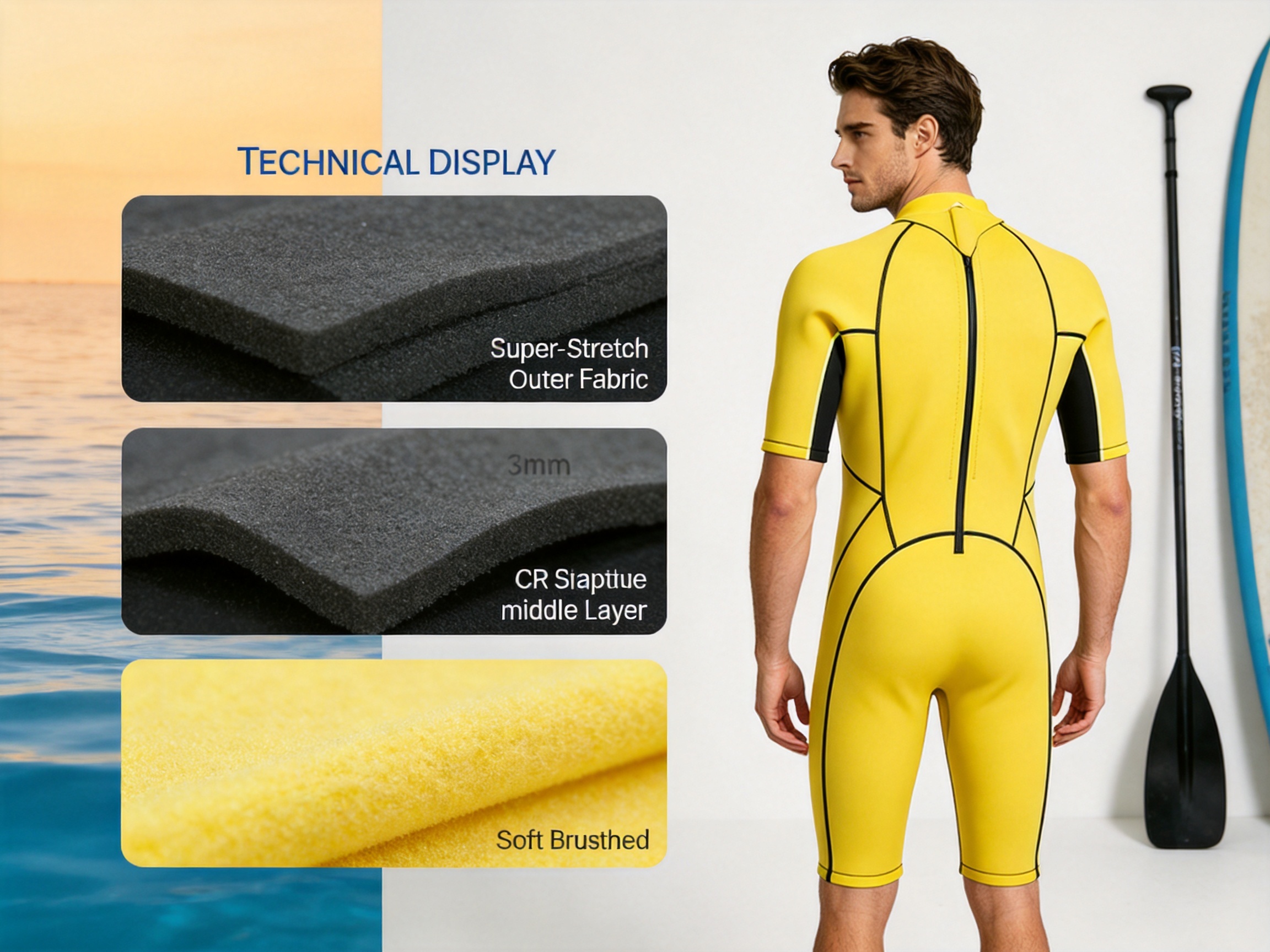
Built from a three-layer composite material system, the suit combines a super-stretch outer fabric, a 3mm CR neoprene middle layer, and a brushed inner lining. This structure supports warmth retention, body movement, and next-to-skin comfort. A high neckline helps reduce cold-water entry, while the back YKK zipper provides a secure closure and convenient dressing. The yellow-and-black color-block design gives the suit a modern visual identity suitable for individual users, water-sports schools, clubs, retailers, and private-label product programs.
Behind the product is Jiangsu Yiheng Sports Products Co., Ltd., a manufacturer specializing in neoprene materials and finished water-sports products. With more than 18 years of industry experience, a factory covering over 15,000 square meters, and a professional workforce of more than 120 employees, the company supports OEM manufacturing, ODM development, and long-term supply cooperation. Its product expertise includes wetsuits, drysuits, fishing waders, rash guards, water-sports equipment, and neoprene fabrics.
This article examines the product’s design, material structure, performance advantages, manufacturing processes, customization potential, and suitability for different distribution channels.
1. Product Positioning for Warm-Water Water Sports
The Men’s 3mm Shorty Wetsuit is positioned as a versatile warm-water suit for users who need moderate insulation and freedom of movement. Unlike a full wetsuit, it leaves the lower arms and legs uncovered. This configuration reduces overall weight and bulk while preserving core coverage around the torso, hips, and upper thighs.
A shorty wetsuit is especially useful when water temperatures are comfortable but prolonged exposure may still cause cooling. It can also provide an extra layer of protection against wind, splashes, minor surface abrasion, and contact with equipment. For recreational users, this can make activities more comfortable and enjoyable. For commercial operators, the simplified design can make the suit easier to stock, display, and offer as part of a rental or introductory equipment program.
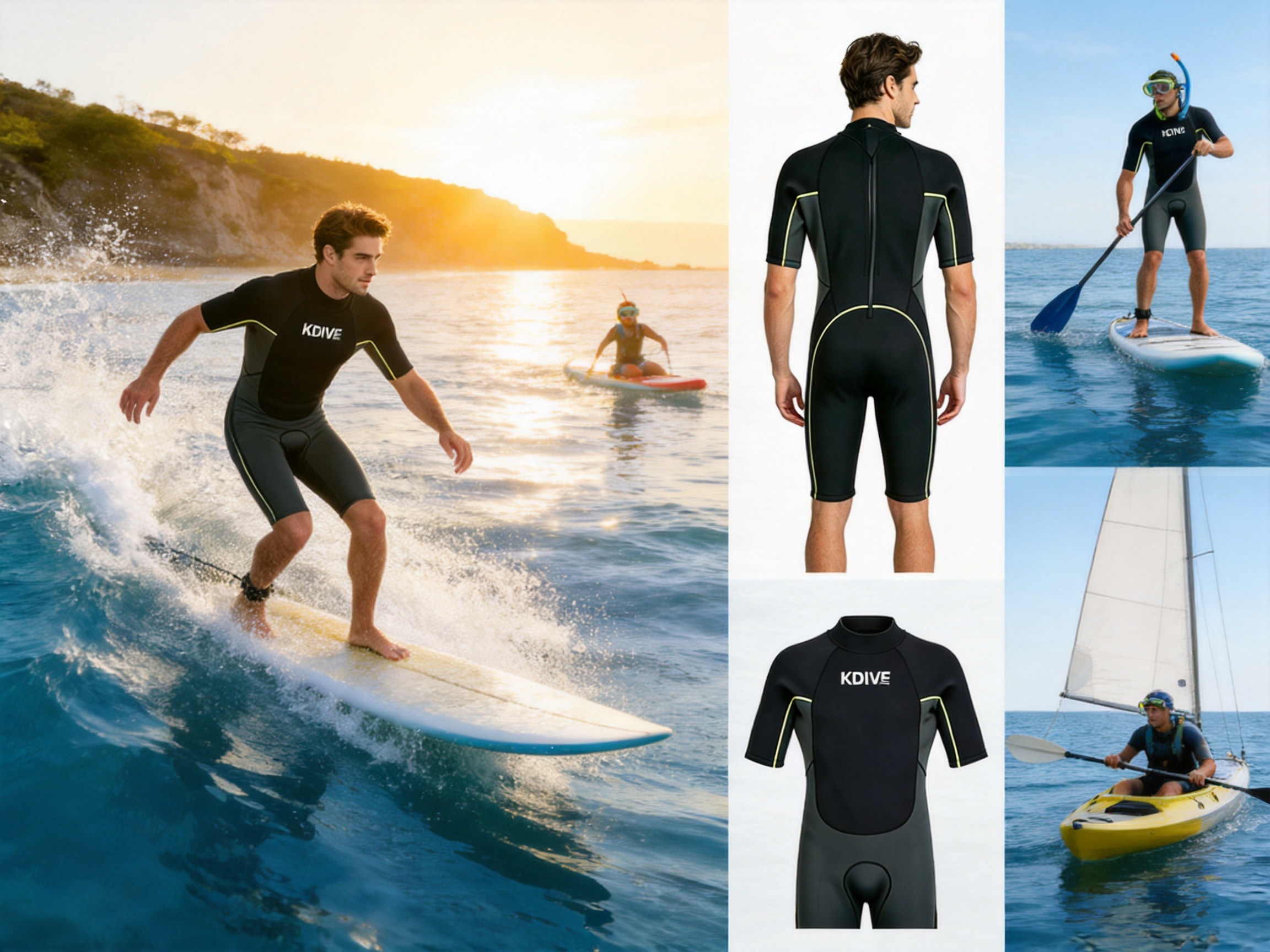
The suit is suitable for a broad group of activities, including:
• Surfing in warm or transitional water conditions.
• Sailing and recreational boating.
• Paddle boarding and kayaking.
• Snorkeling and surface swimming.
• Resort water activities.
• Triathlon training in appropriate temperatures.
• Water-sports lessons and club programs.
• Travel-based beach and aquatic recreation.
The 3mm thickness is a practical middle ground. Thinner suits may offer greater lightness but less thermal buffering, while thicker suits can become unnecessarily warm or restrictive in warm climates. The selected thickness supports a balanced product concept: enough neoprene for moderate warmth, while the shorty silhouette maintains a relatively lightweight feel.
2. Ergonomic One-Piece Construction
The suit uses an ergonomic one-piece pattern with short sleeves and short legs. Its segmented three-dimensional tailoring is designed to follow the natural contours of the male body rather than relying on a simple flat cut. This approach improves contact between the garment and the body while reducing excess fabric that can fold, shift, or create drag.
In surfing and paddle sports, the upper body performs repeated, large-range movements. The arms rotate, extend, and pull against resistance. A poorly designed shoulder area can restrict paddling or cause fabric tension around the underarms. The short-sleeve format reduces the amount of material around the arms, while the flexible composite fabric helps the garment move with the wearer.
The short-leg pattern supports freedom around the knees and lower legs. This is useful for activities involving kneeling, standing, climbing onto a board, or moving between a boat and the water. By ending above the knees, the suit avoids the extra material that may bunch behind the knees in a full-length style.
A close-fitting silhouette is important for reducing unnecessary water circulation inside the suit. When a wetsuit fits properly, a thin layer of water can be warmed by body heat and retained between the skin and the neoprene. Excessive looseness may permit too much water exchange, reducing thermal efficiency. At the same time, a suit should not be so tight that it restricts breathing or causes uncomfortable pressure. The ergonomic construction is intended to provide a close but wearable fit.
The higher neckline adds coverage around the neck and upper chest. This area is exposed to wind, splashes, and repeated water movement. A closely fitted collar can help limit cold-water entry and improve the overall sense of enclosure. It also supports a clean visual transition between the torso and head without adding a separate collar component.
Advantages of the One-Piece Shorty Format
The one-piece format offers several benefits compared with separate tops and bottoms. It reduces the risk of the two garments shifting apart during movement. It also provides continuous core coverage and a streamlined appearance. For retailers and team purchasers, a single-piece garment can simplify product presentation and reduce confusion about matching sizes and colors.
Compared with a full-length wetsuit, the shorty design is generally easier to put on, easier to take off, and more comfortable in warm weather. It also uses less material, which can help reduce garment weight and improve portability for travelers.
Compared with a thin rash guard, the 3mm shorty provides a more substantial thermal layer and greater cushioning against wind and water. The two products serve different purposes, but the shorty is a stronger choice when moderate insulation is a priority.
3. Three-Layer Composite Material System
The performance of a wetsuit depends heavily on the interaction between its outer fabric, neoprene core, and inner lining. This model uses a three-layer composite construction:
| Layer | Material | Primary Function |
| Outer layer | Super-stretch fabric | Supports flexibility, surface protection, and resistance to water impact |
| Middle layer | 3mm CR neoprene | Provides thermal insulation, buoyancy support, and elastic recovery |
| Inner layer | Brushed lining fabric | Improves softness, comfort, warmth retention, and skin contact |
The outer fabric is selected to support stretch and resilience during active use. A wetsuit exterior may contact a surfboard, paddle, boat edge, dock, or other equipment. A flexible outer surface helps the garment accommodate movement without easily losing its shape. It also creates a protective interface between the neoprene core and the surrounding environment.
The 3mm CR neoprene middle layer forms the primary insulation zone. Neoprene is a closed-cell synthetic rubber material that contains numerous small gas cells. These cells help reduce heat transfer and give the material a degree of buoyancy. CR neoprene is widely used in performance water-sports garments because it combines elasticity, cushioning, and thermal properties.
The inner brushed lining is designed for direct or near-direct contact with clothing layers and skin. Its soft surface improves the wearing experience compared with a plain rubber interior. The brushed texture can also support warmth retention by creating a comfortable, low-irritation surface that helps the wearer maintain the suit for longer periods.
The three layers work as a system rather than as isolated components. The outer layer helps protect the garment, the middle layer provides the main thermal barrier, and the inner layer improves comfort and heat management. This composite approach gives the product a more complete performance profile than a single-material construction.
Stretch and Recovery
Flexibility is one of the most important characteristics in a surfing wetsuit. Paddling, balancing, swimming, and standing require repeated extension and contraction of the shoulders, chest, waist, hips, and legs. If the material stretches but does not recover, the garment may become loose over time. If it does not stretch sufficiently, the wearer may experience pressure and fatigue.
The super-stretch fabric and elastic neoprene are intended to work together. The exterior accommodates movement while the neoprene core maintains the garment’s insulating structure. After stretching, the material is designed to return toward its original shape, helping the suit maintain a close fit across repeated use.
This balance is particularly valuable for commercial buyers. Rental operators, sports schools, and team programs need garments that can tolerate frequent dressing, undressing, bending, and washing. Elastic recovery does not eliminate the need for correct care, but it can contribute to longer practical service life when the product is used properly.
4. Thermal Comfort in Warm and Transitional Water
A wetsuit cannot make every water temperature suitable for every user. Performance depends on water temperature, air temperature, wind, activity intensity, body composition, fit, and duration of exposure. However, a properly selected 3mm shorty can offer useful thermal support in warm and transitional conditions.
The suit helps reduce heat loss in several ways. The neoprene layer slows the movement of heat away from the body. The close-fitting design reduces unnecessary water circulation inside the garment. The high neckline helps cover a sensitive area around the upper torso. The brushed lining contributes to a warmer and more comfortable interior environment.
For high-intensity activity, the short-sleeve format can help prevent overheating compared with a thicker full suit. For casual activity, it can provide additional coverage against wind and splash cooling. The product is therefore appropriate for users who need a versatile garment rather than a highly specialized cold-water suit.
Buyers should select the thickness and coverage according to local conditions. A 3mm shorty may be ideal for warm-water surfing, resort activities, and summer coastal use, but colder environments may require a full-length suit, greater thickness, gloves, boots, or additional thermal accessories. Clear product guidance helps consumers choose the right product and reduces the possibility of dissatisfaction caused by using a shorty outside its intended temperature range.
5. Four-Needle, Six-Thread Stitching
Seam construction is a major factor in wetsuit durability and water resistance. This model uses a professional four-needle, six-thread stitching process. The dense sewing configuration is designed to create strong, consistent seams with reduced gaps between stitch lines.
Wetsuits experience repeated stress at the shoulders, underarms, waist, hips, and leg openings. These areas bend and stretch continuously during paddling and swimming. Weak or inconsistent seams may develop loose threads, openings, or splitting after repeated use. High-tensile stitching helps reinforce these stress points and supports the structural integrity of the garment.
The four-needle, six-thread process also contributes to a clean and professional finish. Consistent stitch spacing improves the appearance of the suit and helps create a standardized production result across different sizes and batches. For private-label customers, this consistency is important because it supports a reliable brand image across multiple purchase orders.
Stitching alone does not make a wetsuit completely impermeable. Water resistance also depends on panel design, seam placement, material lamination, zipper construction, fit, and care. Nevertheless, accurate stitching reduces pathways for water penetration and supports the overall performance of the composite garment.
Why Seam Quality Matters to Buyers
For individual consumers, seam quality affects comfort and service life. A rough or uneven seam can cause rubbing during paddling and swimming. For professional buyers, seam quality affects return rates, warranty claims, customer reviews, and repeat purchasing.
A manufacturer with established production experience can build inspection procedures around seam appearance, thread tension, panel alignment, and stitch continuity. These controls are especially relevant when producing multiple sizes or customized versions, where small deviations can become visible across a large order.
6. YKK Back Zipper and Practical Dressing
The wetsuit uses a YKK zipper positioned at the back. A back zipper is a familiar closure system for one-piece wetsuits because it creates a continuous front panel and allows the wearer to enter the garment from the rear.
A smooth zipper can make a significant difference during dressing. Neoprene garments fit closely, so a zipper that catches or resists movement can make the suit frustrating to put on. The YKK zipper is selected for dependable operation and corrosion resistance in a marine environment. Proper rinsing and maintenance remain important because salt, sand, and debris can affect any zipper over time.
Once closed, the back zipper supports a secure fit along the torso. The zipper placement keeps the front chest area visually clean and leaves space for the customizable chest logo. For teams, clubs, retailers, and private-label brands, this arrangement provides a clear location for identity and decoration.
Users should avoid forcing the zipper when the neoprene is misaligned. The garment should be adjusted gradually so that the zipper is not carrying unnecessary tension. Correct sizing is equally important. A suit that is too small may place excessive stress on the closure, while a suit that is too large may reduce thermal efficiency.
7. Yellow-and-Black Color-Block Design
The yellow-and-black color-block design gives the wetsuit a distinctive and energetic appearance. The contrast between the bright yellow panels and black sections creates a sporty visual effect suitable for surfing, sailing, and other active environments.
Color-blocking is more than a decorative technique. Strategic color placement can visually define the body shape and create a streamlined silhouette. Black areas may provide a slimming visual effect, while yellow panels improve product visibility on a beach, dock, or training site. A recognizable color layout can also help groups identify members during lessons, camps, and team activities.
From a retail perspective, a strong color combination can make the product easier to distinguish from basic black wetsuits. The design may appeal to consumers who want technical functionality without giving up personal style. It can also serve as a starting point for private-label development, where colors, logos, labels, and packaging may be adjusted for a particular market.
8. Competitive Advantages Compared with Basic Alternatives
The product’s competitive value comes from the combination of design, materials, sewing, closure, appearance, and customization potential. A basic low-cost shorty wetsuit may provide minimal neoprene coverage, but it may not offer the same level of composite construction, sewing precision, or branding flexibility.
Compared with Single-Layer or Low-Elasticity Suits
Some entry-level garments use less flexible materials or simplified construction. These suits may be more affordable initially, but they can feel restrictive during paddling and shoulder rotation. The super-stretch outer fabric and elastic neoprene construction are intended to provide more comfortable movement and a closer fit.
Compared with Unlined Neoprene Garments
An unlined interior may feel less comfortable against the skin and may provide less warmth during extended use. The brushed lining in this product adds a softer contact surface and supports the overall thermal concept. It also gives the garment a more finished feel for retail presentation.
Compared with Weakly Sewn Products
Irregular stitching can result in seam separation, loose threads, and premature wear. The four-needle, six-thread process is a stronger manufacturing approach designed for repeated movement and frequent use. Consistent seam construction also supports a more professional appearance.
Compared with Generic Closures
A low-quality zipper can jam, corrode, or become difficult to operate. The YKK back zipper offers a recognized closure solution with smooth operation and marine-use suitability when correctly maintained.
Compared with Full-Length Wetsuits
Full-length wetsuits offer more coverage, but they can be excessive in warm water. They may also take longer to put on and create greater heat buildup. The shorty format is lighter, less bulky, and more suitable for users who need moderate insulation and maximum convenience.
Compared with Rash Guards
Rash guards are useful for sun protection, light abrasion resistance, and basic comfort, but they do not provide the same 3mm neoprene insulation. The shorty wetsuit is better suited to situations where body heat retention and core coverage are important.
9. Manufacturing Strengths of Jiangsu Yiheng Sports Products Co., Ltd.
The product is supported by a manufacturer with experience across both neoprene materials and finished water-sports products. Jiangsu Yiheng Sports Products Co., Ltd. began its development journey in 2008 and has built more than 18 years of experience in the industry.
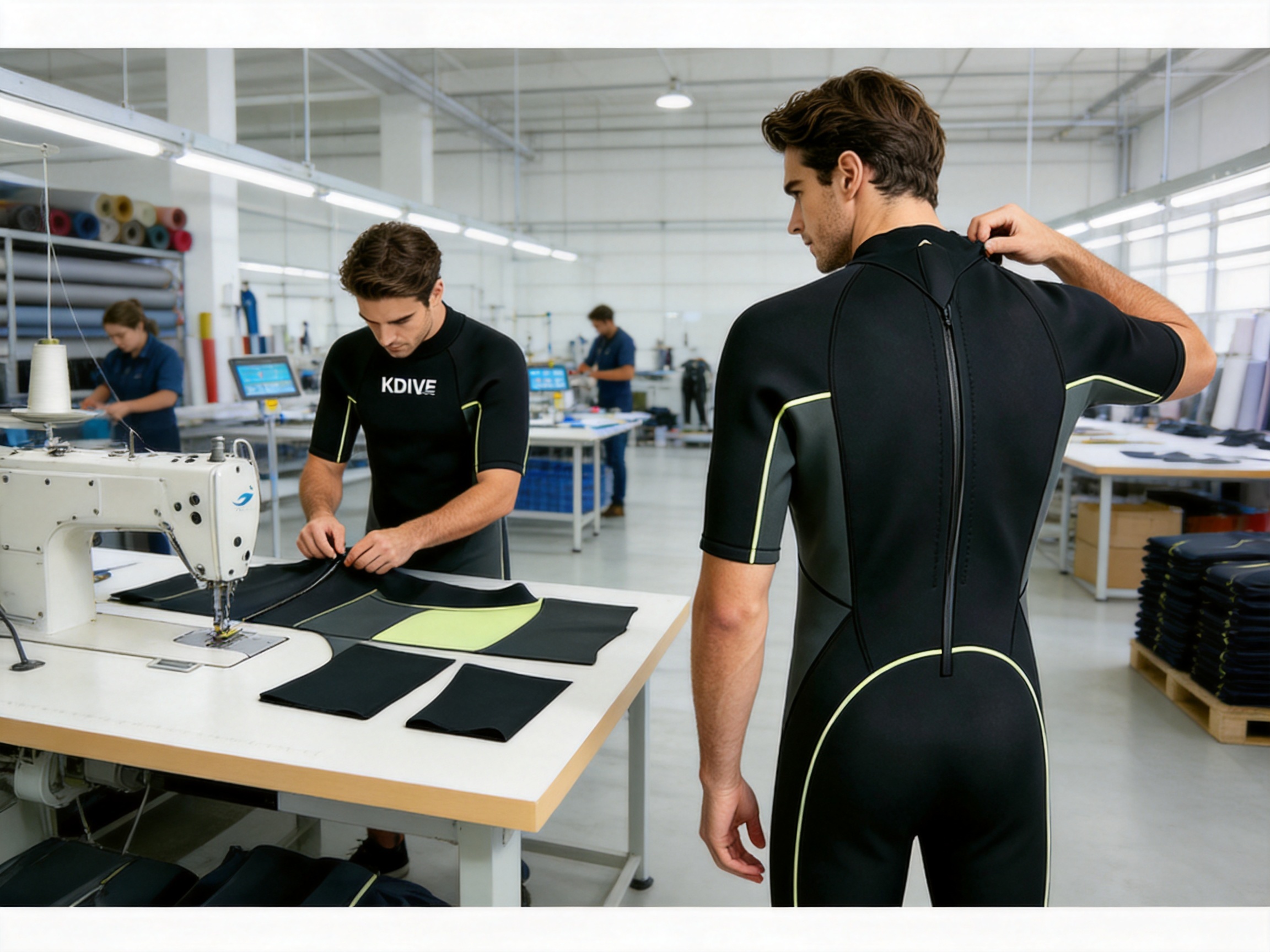
The company’s background is important because wetsuit quality depends on more than the final sewing stage. Material selection, neoprene handling, pattern development, cutting, lamination, stitching, zipper installation, inspection, and packing must work together. A manufacturer that understands both raw materials and finished products can coordinate these stages more effectively.
The company operates a factory of more than 15,000 square meters and employs over 120 professional workers. This scale provides a foundation for production organization, staff specialization, quality control, and order management. It also supports the ability to serve different types of customers, from standard product buyers to brands requiring customized development.
Yiheng’s product range includes:
• Surfing wetsuits and other water-sports wetsuits.
• Drysuits for specialized aquatic applications.
• Fishing waders.
• Rash guards.
• Water-sports equipment.
• Neoprene fabrics and related materials.
This broader category experience can benefit customers looking for coordinated product sourcing. A retailer or water-sports brand may be able to develop a product family that includes wetsuits, rash guards, waders, accessories, and matching neoprene components.
10. Manufacturing Process from Material to Finished Product
The production of a shorty wetsuit typically involves multiple controlled stages. Each stage contributes to the final garment’s fit, appearance, durability, and performance.
Material Selection and Preparation
The process begins with the selection of super-stretch outer fabric, CR neoprene, and brushed lining. Materials should be evaluated for thickness, elasticity, surface quality, color consistency, bonding compatibility, and intended application. For a 3mm garment, thickness control is particularly important because variations can affect warmth, fit, and sewing behavior.
Material rolls are normally inspected before cutting. The manufacturer may check for surface marks, uneven color, delamination, compression differences, or other visible defects. Careful preparation reduces waste and helps maintain consistency across production batches.
Pattern Development and Grading
The pattern determines how the garment follows the body. Ergonomic three-dimensional tailoring requires attention to the shoulder curve, chest volume, waist shaping, hip placement, arm openings, leg openings, and neckline. Patterns must also account for the natural stretch of the fabric and neoprene.
After the base pattern is established, it is graded into multiple sizes. Size grading must preserve the intended proportions rather than simply enlarging every measurement equally. Professional grading helps maintain fit consistency from smaller to larger sizes.
Precision Cutting
Cutting must follow the pattern accurately. Errors in panel dimensions can affect seam alignment, symmetry, and the final fit. Directional stretch may also need to be considered so that each panel provides the intended movement characteristics.
Color-block products require additional attention. Yellow and black panels must align cleanly, and the transition lines should appear balanced on the finished garment. Accurate cutting supports both performance and visual quality.
Panel Assembly
The cut panels are organized according to the production sequence. The outer fabric, neoprene, and inner lining must be correctly matched and positioned. Any bonding or lamination operation must create a stable composite without excessive stiffness or separation.
Panel assembly is also the stage where the manufacturer confirms the orientation of design elements, logo placement zones, neckline components, sleeve openings, leg openings, and zipper panels.
Four-Needle, Six-Thread Sewing
The assembled panels are sewn using the specified four-needle, six-thread process. Operators must maintain consistent seam allowances, thread tension, stitch density, and panel alignment. Special attention is required at high-stress areas such as underarms, shoulders, side seams, crotch areas, and zipper ends.
Experienced operators can identify problems such as fabric feeding irregularities, uneven stretch, or excessive tension during sewing. Correcting these issues during production is preferable to discovering them during final inspection.
YKK Zipper Installation
The rear zipper is installed after the relevant back panels have been prepared. Alignment is essential because an uneven zipper can affect both appearance and ease of use. The zipper must operate smoothly while remaining securely attached to the surrounding neoprene and fabric.
Logo and Customization Application
The chest area supports a customizable logo. Depending on the customer’s requirements, customization may include logo artwork, color changes, labels, packaging, size markings, and other private-label elements. Artwork should be checked carefully before production to confirm dimensions, placement, color, and durability requirements.
Final Inspection and Packing
Finished suits should be inspected for size accuracy, color consistency, seam quality, zipper operation, logo placement, surface defects, and overall appearance. Packing should protect the garment from compression, staining, moisture, and damage during storage and transport.
A structured inspection process is particularly important for export orders and private-label programs, where the product may travel long distances and pass through several distribution stages before reaching the final customer.
11. OEM and Private-Label Opportunities
The customizable chest logo makes this model suitable for OEM production and private-label programs. Brands can use the existing product structure as a starting point while developing a product identity for a specific consumer segment.
Potential customers include:
• Surf shops and outdoor retailers.
• Water-sports schools and instructors.
• Surfing clubs and sailing organizations.
• Resort operators and tourism companies.
• Sporting-goods distributors.
• Online retail brands.
• Team and event organizers.
• Promotional and corporate merchandise suppliers.
A private-label project may begin with the standard yellow-and-black color-block version and a customized chest logo. More advanced development may involve different colors, panel layouts, labels, packaging, or coordinated products. Customers should discuss minimum order quantities, size ranges, artwork requirements, sampling, production lead times, inspection standards, and shipping arrangements before confirming an order.
OEM cooperation is most effective when technical specifications are documented clearly. Important details may include neoprene thickness tolerance, fabric composition, color references, zipper specifications, stitching requirements, logo dimensions, packaging method, carton markings, and acceptable quality limits.
12. Suitable Customer Segments
Individual Recreational Users
For individuals, the suit offers a convenient balance of warmth and freedom. It is appropriate for recreational surfing, snorkeling, paddle boarding, and beach activities in suitable water conditions. The short design is also convenient for travel because it is lighter and less bulky than many full-length alternatives.
Surfing and Water-Sports Schools
Schools need products that are easy for students to wear and sufficiently durable for repeated instruction. The back zipper simplifies entry, while the shorty format helps beginners move their arms and legs freely. The bright color-block design may also improve group visibility.
Resorts and Rental Operations
Resorts can use shorty wetsuits for guided aquatic activities and guest equipment programs. Since the product is designed for warm-water use, it aligns with many coastal and tropical environments. Rental operators should establish cleaning, drying, storage, and inspection routines to preserve hygiene and garment condition.
Retailers and Distributors
Retailers can position the product between rash guards and full-length wetsuits. Its visual design, moderate thickness, and broad application range create a clear merchandising story. Distributors may also benefit from the manufacturer’s wider product portfolio when building a complete water-sports collection.
Private-Label Brands
Online and specialty brands can use the product as an OEM foundation. Custom chest branding provides a direct way to build product recognition without requiring an entirely new pattern from the beginning. Additional development can be considered after market feedback is collected.
13. Fit, Use, and Care Guidance
Correct fit is essential to wetsuit performance. The suit should fit close to the body without causing breathing difficulty, sharp pressure, restricted movement, or excessive folds. Users should compare their body measurements with the supplier’s size chart rather than relying only on their usual clothing size.
When putting on the suit, users should pull the neoprene gradually using open palms rather than gripping and pinching one small area. Fingernails can damage the outer fabric or neoprene surface. The legs, hips, torso, shoulders, and sleeves should be adjusted evenly before the zipper is closed.
After use, the suit should be rinsed with clean, cool water to remove salt, sand, chlorine, and other residues. It should be dried in a ventilated shaded area and kept away from prolonged direct sunlight or intense heat. Folding the garment sharply while wet may create unnecessary creases. A broad hanger or suitable storage method can help preserve its shape.
The zipper should be kept clean and operated without force. Sand and grit should be removed before opening or closing it. Users should inspect seams, cuffs, the neckline, and zipper attachment points regularly, especially when the suit is used frequently.
Proper care cannot prevent all wear, but it can extend the useful life of the garment and preserve the flexibility of the materials.
14. Quality and Purchasing Considerations
Buyers evaluating this type of product should consider more than appearance. A complete purchasing assessment may include:
• Neoprene thickness and tolerance.
• Stretch and recovery performance.
• Outer fabric abrasion resistance.
• Inner lining softness.
• Seam construction and stitch consistency.
• Zipper brand and operating quality.
• Size grading and fit samples.
• Logo application durability.
• Color consistency between production batches.
• Packaging and carton protection.
• Factory quality-control procedures.
• OEM communication and sampling support.
• Production capacity and delivery planning.
For international buyers, it is advisable to request pre-production samples and confirm all technical details in writing. A sample can be evaluated for fit, stretch, sewing, zipper function, color, logo position, and overall finishing before bulk production begins.
15. Why the Product Offers Strong Market Potential
The warm-water shorty wetsuit occupies a practical segment of the aquatic apparel market. It is less specialized than a cold-water technical suit and more protective than a simple swimwear garment. This makes it relevant to consumers who want a single versatile product for holidays, casual water sports, and seasonal use.
The product also has a strong visual identity. The yellow-and-black color combination is more distinctive than a plain black suit and may attract consumers seeking a modern athletic appearance. The clean chest area provides a natural location for a retail logo, club emblem, or private-label mark.
From the manufacturing perspective, the product combines a proven silhouette with value-added construction details. The three-layer composite fabric, brushed lining, four-needle six-thread stitching, YKK zipper, and ergonomic pattern give distributors clear points to communicate to customers.
Its broad end-use range further supports marketability. A single model can be promoted for surfing, sailing, snorkeling, paddle boarding, and resort recreation, subject to appropriate water conditions. This versatility can help retailers appeal to multiple user groups without carrying an excessively complex product range.
16. Frequently Asked Questions
Q1: What is the thickness of the neoprene?
The suit uses a 3mm CR neoprene middle layer. This thickness is designed to provide moderate warmth while preserving flexibility and reducing bulk compared with thicker full-length suits.
Q2: Is this wetsuit suitable for cold water?
It is primarily intended for warm and transitional water conditions. Cold-water users may require a thicker full wetsuit, additional accessories, or a different garment configuration. Suitability depends on water temperature, air temperature, wind, activity level, and individual tolerance.
Q3: What activities is the shorty wetsuit designed for?
It is suitable for surfing, sailing, paddle boarding, snorkeling, kayaking, swimming, resort water activities, and other warm-water sports. It may also be used for training and recreational water programs.
Q4: Does the suit have sleeves and legs?
Yes. It has short sleeves and short legs in a one-piece shorty construction. This provides core coverage while leaving the lower arms and legs relatively free for movement and ventilation.
Q5: What type of zipper does it use?
The suit uses a YKK zipper positioned at the back. The closure is designed for smooth operation and convenient wearing when handled correctly and kept free from sand and debris.
Q6: What sewing method is used?
The garment is produced using four-needle, six-thread stitching. This high-strength sewing process is intended to support seam durability and reduce gaps that may permit unnecessary water entry.
Q7: Can the chest logo be customized?
Yes. The chest area supports customizable logos and OEM branding. Customers should confirm artwork, dimensions, colors, placement, and durability requirements before production.
Q8: Can the colors or design be changed?
The standard product features a yellow-and-black color-block design. Depending on project requirements, customers may discuss color, panel, label, packaging, and other customization options with the manufacturer.
Q9: Is this product suitable for private-label brands?
Yes. The suit is suitable for private-label brands, online retailers, water-sports stores, clubs, resorts, and team programs. The manufacturer supports OEM production and ODM-oriented development.
Q10: What makes the inner lining different?
The inner lining uses brushed fabric. It is designed to provide a softer surface against the body and contribute to warmth retention and wearing comfort.
Q11: How should the suit be cleaned?
Rinse it with clean, cool water after use, especially after exposure to seawater, chlorine, or sand. Dry it in a shaded, ventilated area and avoid excessive heat or prolonged direct sunlight.
Q12: How should customers confirm sizing?
Customers should use the supplier’s measurement chart and compare it with their own body measurements. A close fit is generally preferred, but the suit should not cause breathing difficulty, severe pressure, or restricted movement.
Q13: What company manufactures this product?
The product is manufactured by Jiangsu Yiheng Sports Products Co., Ltd., a Chinese manufacturer specializing in neoprene materials and finished products for water sports. The company began its development in 2008 and has more than 18 years of industry experience.
Q14: What other products does the manufacturer produce?
The manufacturer’s product range includes wetsuits, drysuits, fishing waders, rash guards, water-sports equipment, and neoprene fabrics. This range supports coordinated sourcing for customers developing broader aquatic product lines.
Q15: Is the suit completely waterproof?
No garment should be described as absolutely waterproof under every condition. The composite structure, close fit, stitching, neckline, and zipper are designed to reduce water entry and improve water resistance. Performance depends on correct fit, use, movement, maintenance, and exposure conditions.
17. Conclusion
The Men’s 3mm Short Sleeve Shorty Back Zipper Neoprene Wetsuit is designed as a balanced warm-water garment that combines flexibility, moderate insulation, practical coverage, and modern styling. Its 3mm CR neoprene core provides thermal support, while the super-stretch outer fabric and brushed inner lining improve movement and comfort. The ergonomic one-piece pattern helps the suit follow the body during active use, and the short-sleeve, short-leg structure avoids unnecessary bulk in warmer conditions.
Its four-needle, six-thread stitching supports durable construction, while the YKK back zipper provides a familiar and convenient closure. The yellow-and-black color-block design adds market appeal and creates a strong base for customized branding. Together, these features give the product advantages over basic shorty suits that rely on simpler fabrics, weaker seams, generic closures, or less refined pattern development.
Jiangsu Yiheng Sports Products Co., Ltd. strengthens the product proposition through its long-term experience in neoprene manufacturing and finished water-sports products. Its factory scale, professional workforce, broad category expertise, OEM capability, and ODM development support make it a suitable manufacturing partner for retailers, distributors, clubs, resorts, and private-label brands.
For buyers seeking a versatile men’s wetsuit for surfing, sailing, snorkeling, paddle boarding, and other warm-water activities, this model offers a practical combination of comfort, performance, appearance, and customization potential.
References
1. General principles of wetsuit design, neoprene insulation, garment fit, and water-sports apparel construction.
2. Technical information on CR neoprene, closed-cell synthetic rubber, elasticity, buoyancy, and thermal insulation.
3. Apparel engineering practices related to three-dimensional pattern development, size grading, seam construction, and performance garment assembly.
4. General maintenance guidance for neoprene garments, including rinsing, drying, zipper care, and storage.
5. Manufacturer-provided product specifications for the Men’s 3mm Short Sleeve Shorty Back Zipper Neoprene Wetsuit.
6. Manufacturer-provided company information regarding neoprene fabric production, finished water-sports products, OEM manufacturing, ODM development, factory capacity, and product categories.
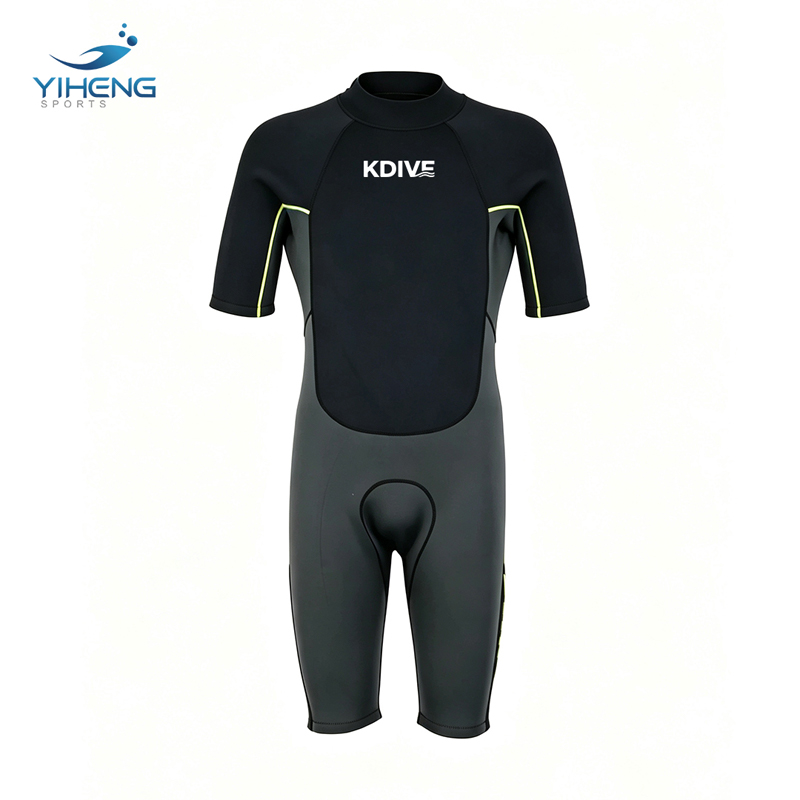
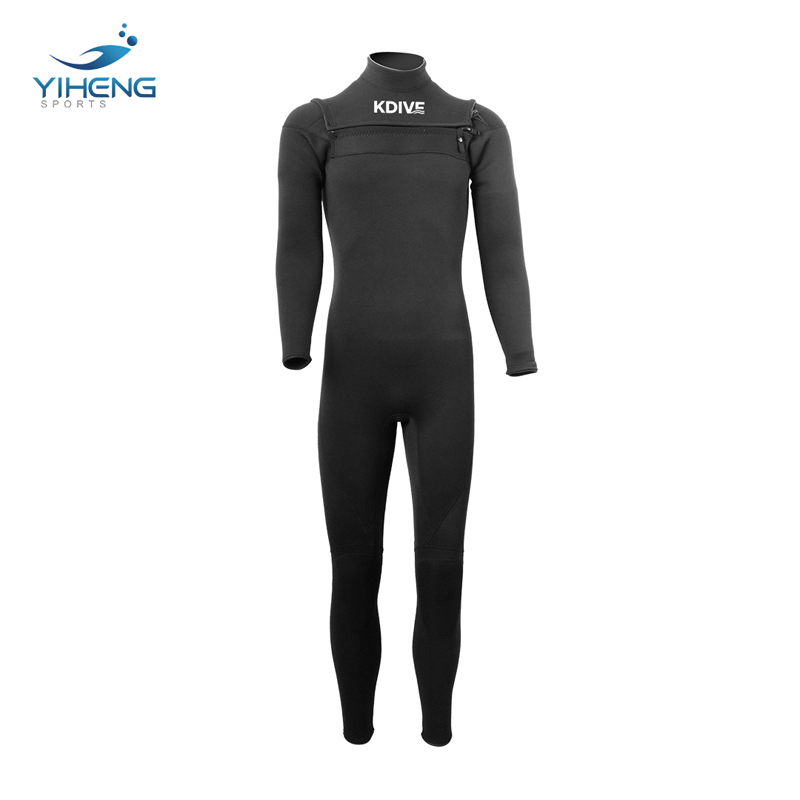
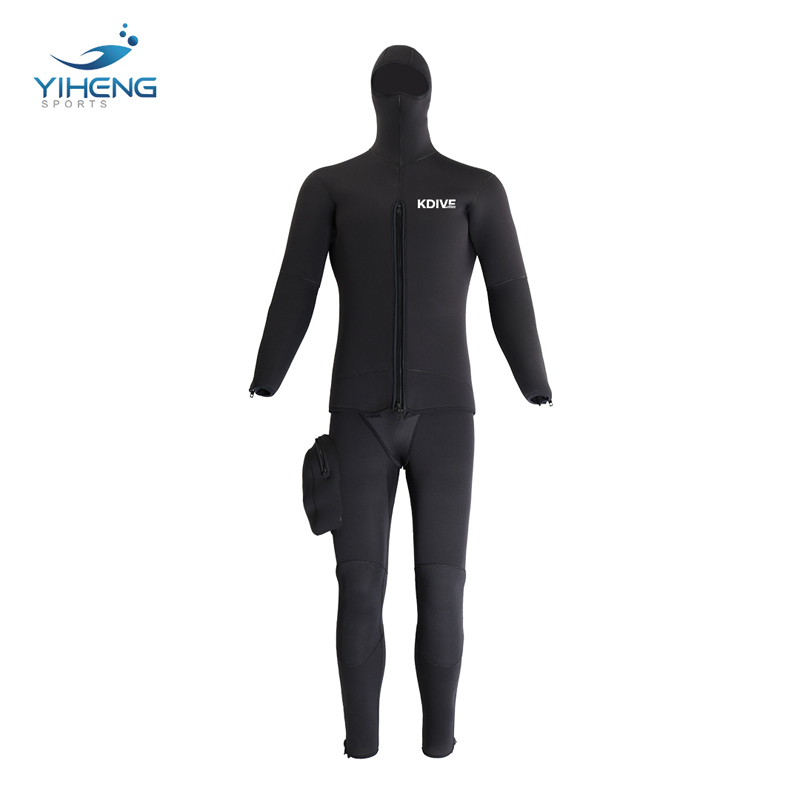
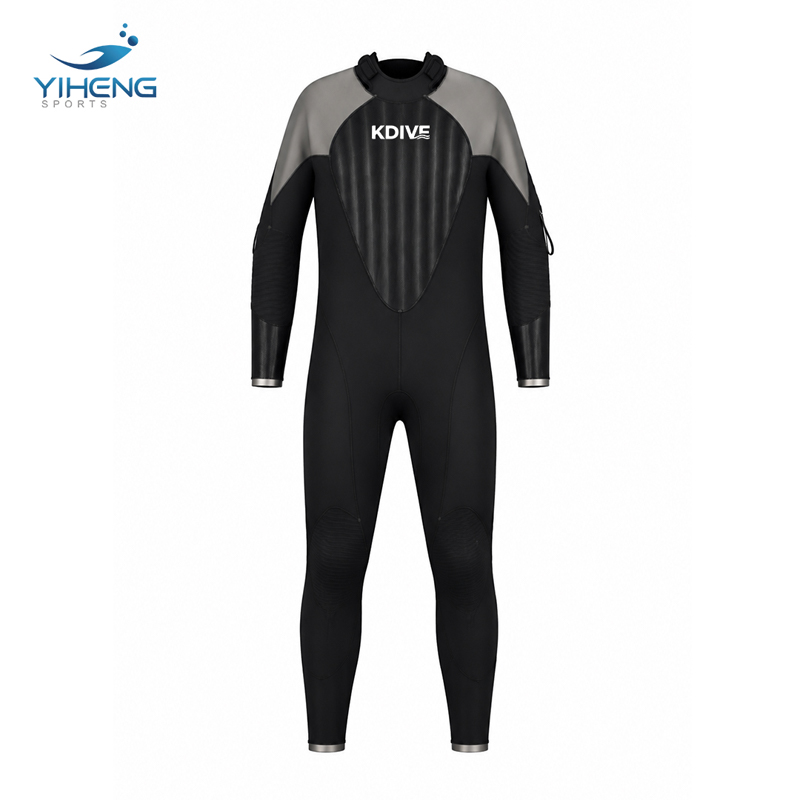
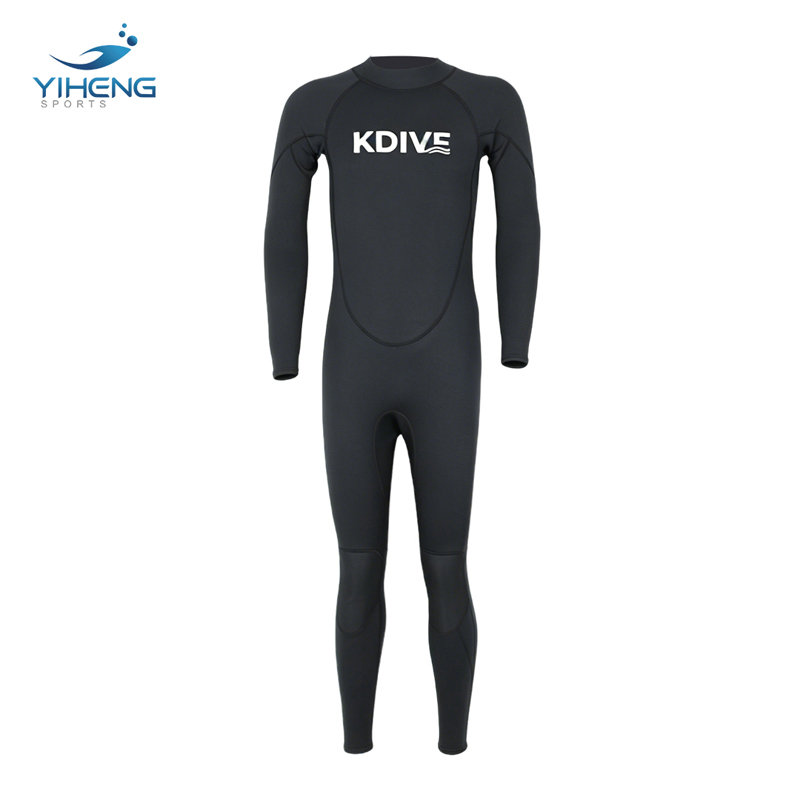
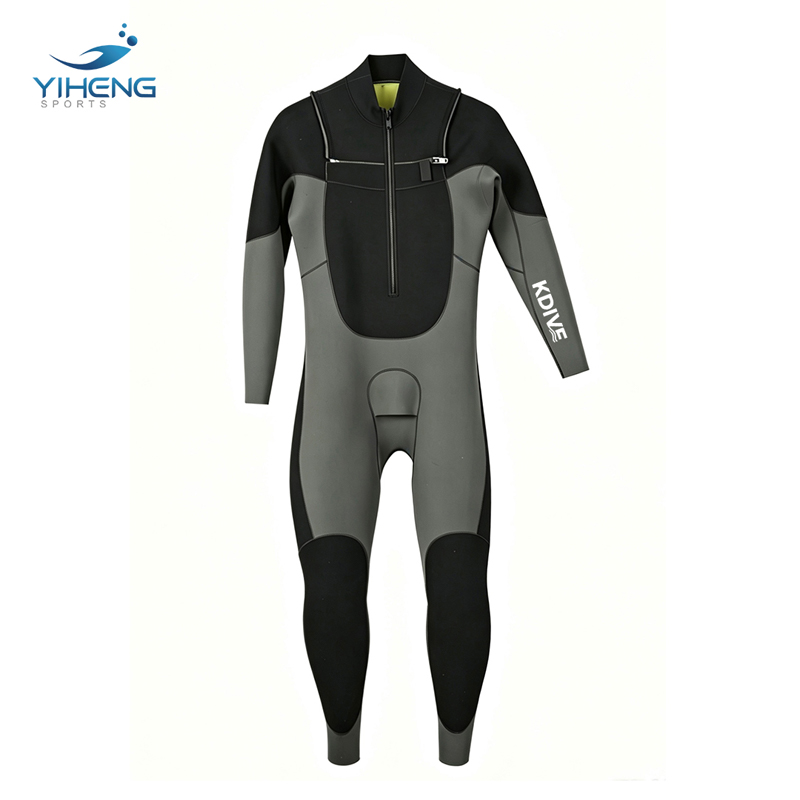
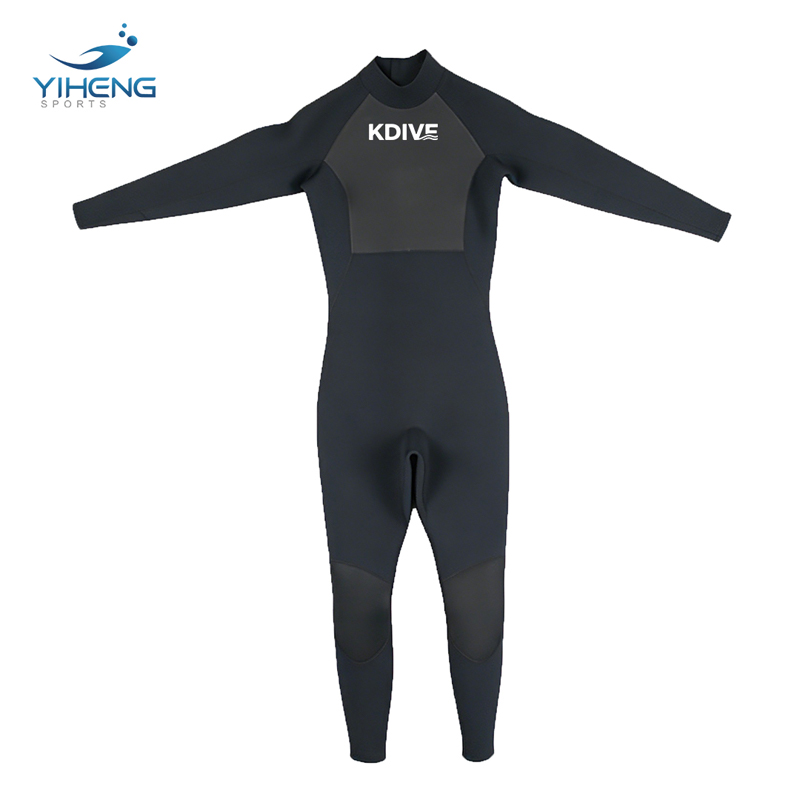
Men's 3mm Short Sleeve Shorty Back Zipper Neoprene Wetsuit Suit for Sailing & Surfing
Product: Men's 3mm Short Sleeve Shorty Back Zipper Neoprene Wetsuit Suit for Sailing & Surfing

LET’S DEVELOP YOUR NEXT NEOPRENE PRODUCT LINE
Quick Links
Product Categories
Contact Us
-
 Email: postmaster@yihengsport.com
-
 Mobile: +86-13564100539
-
 No. 480 Jiangping Road, Madian, Binjiang Town, Taixing City, Taizhou City, Jiangsu Province, China.
Copyright © Jiangsu Yiheng Sports Products Co., Ltd. All Rights Reserved
China Wetsuit Manufacturer Neoprene Fabric Manufacturer
