

 Language
 English
 中文简体
 日本語
 русский
 Español
 عربى

Oct, 26, 2026
Women's Black Lycra One-Piece Quick-Dry Suit: Full-Body Comfort and Reliable Performance for Water Sports
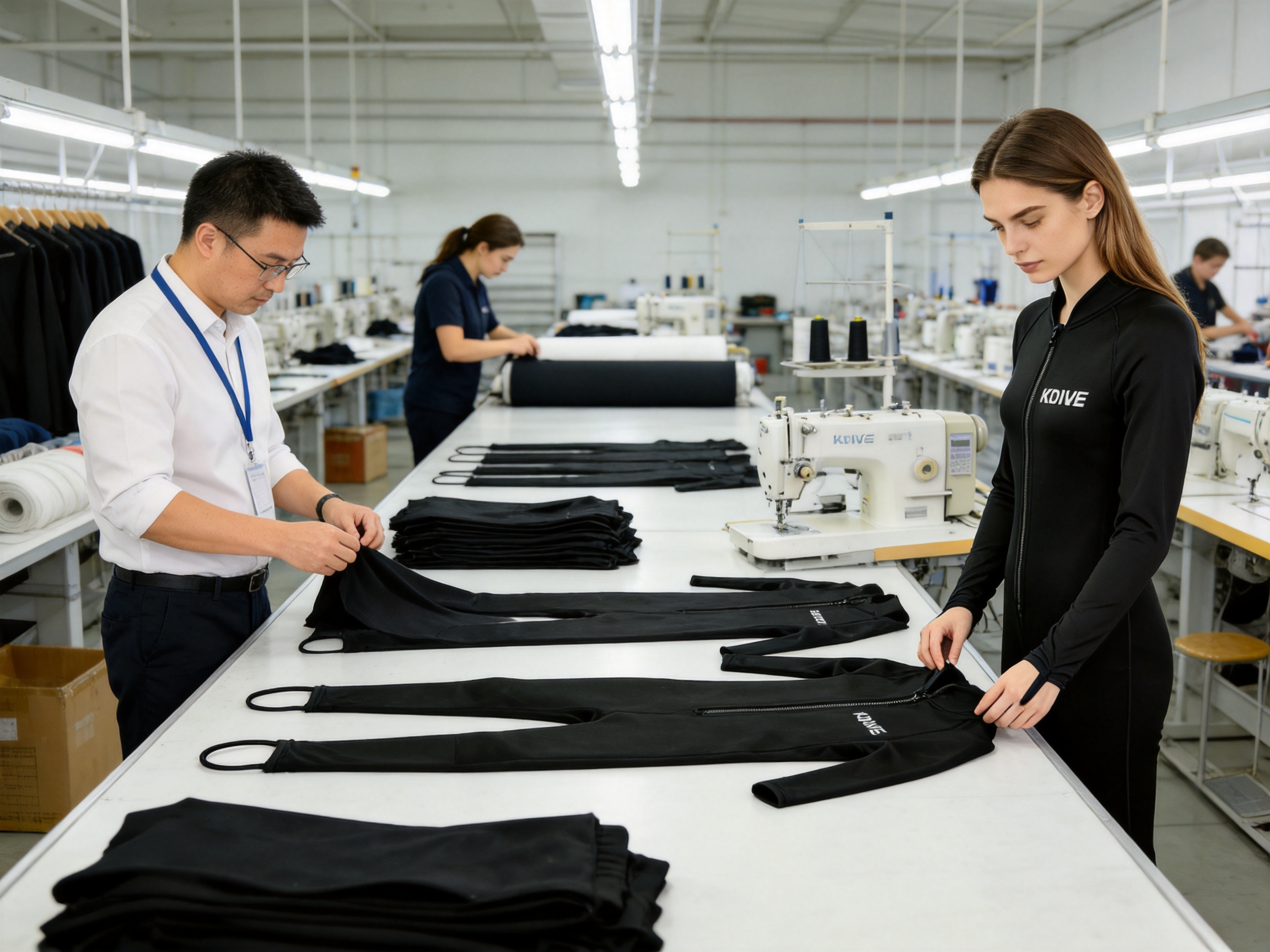
Choosing the right garment for swimming, snorkeling, freediving, surfing, paddleboarding, and other water activities involves more than selecting an attractive color or a familiar size. A high-performance water sports suit must provide freedom of movement, comfortable coverage, dependable construction, fast drying, and secure retention during continuous activity. The Women's Black Lycra One-Piece Quick-Dry Suit is designed to bring these qualities together in a lightweight full-body garment that can be worn independently or as a base layer beneath a wetsuit.
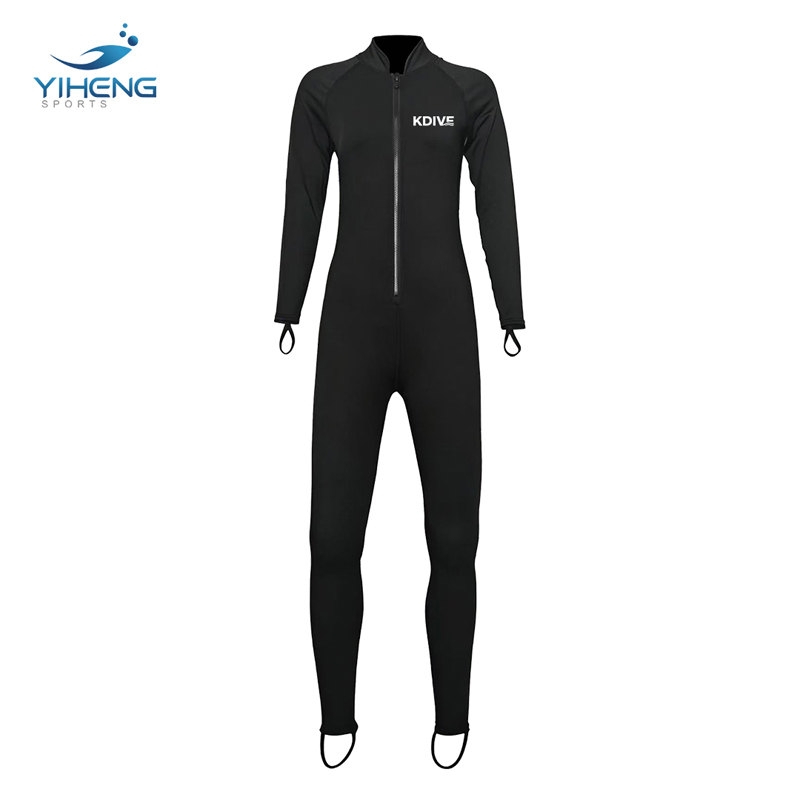
Made from super-stretch Lycra fabric, this black one-piece rash guard offers a smooth feel against the skin while supporting unrestricted movement through the shoulders, waist, hips, arms, and legs. Its full-body construction helps provide coverage from ultraviolet exposure, contact with marine life such as jellyfish, surface abrasion, and common environmental irritants. A YKK front zipper simplifies entry and removal, while integrated thumb loops and elastic stirrup straps help keep the sleeves and legs correctly positioned throughout movement in the water.
Jiangsu Yiheng Sports Products Co., Ltd. manufactures this product as part of a broader range of wetsuits, drysuits, fishing waders, rash guards, water sports equipment, and neoprene fabrics. Since beginning operations in 2008, the company has developed experience in both raw-material production and finished water sports products. Its factory covers more than 15,000 square meters and is supported by more than 120 professional employees. This combination of material knowledge, production experience, and finished-product capability supports consistent development for private-label, OEM, and ODM customers.
Product Overview
The Women's Black Lycra One-Piece Quick-Dry Suit is a full-body rash guard designed for women who require practical protection without the weight or bulk associated with a traditional neoprene wetsuit. The garment is suitable for warm-water activities, transitional environments, training sessions, travel, and layering applications. Its athletic fit follows the body's natural shape while leaving sufficient flexibility for swimming strokes, paddling, diving movements, and surface activities.
| Product Element | Specification | Practical Benefit |
|---|---|---|
| Product type | Women's one-piece rash guard | Continuous full-body coverage with fewer exposed gaps |
| Primary material | Super-stretch Lycra fabric | Flexible movement and a smooth, lightweight hand feel |
| Closure | YKK front zipper | Convenient entry and removal without assistance |
| Seam construction | Four-needle and six-thread stitching | Reinforced construction for active use |
| Cuff design | Integrated thumb loops | Helps keep sleeves in position during movement |
| Ankle design | Elastic stirrup straps | Helps reduce leg ride-up in the water |
| Protection | UV protection and jellyfish protection | Additional coverage for outdoor water activities |
| Performance features | Quick-drying, breathable, lightweight, soft, flexible, abrasion resistant | Improved comfort during extended wear and repeated use |
| Color | Black | Versatile appearance and easy coordination with equipment |
| Available sizes | S, M, L, XL, XXL, XXXL | Broad size availability for different body profiles |
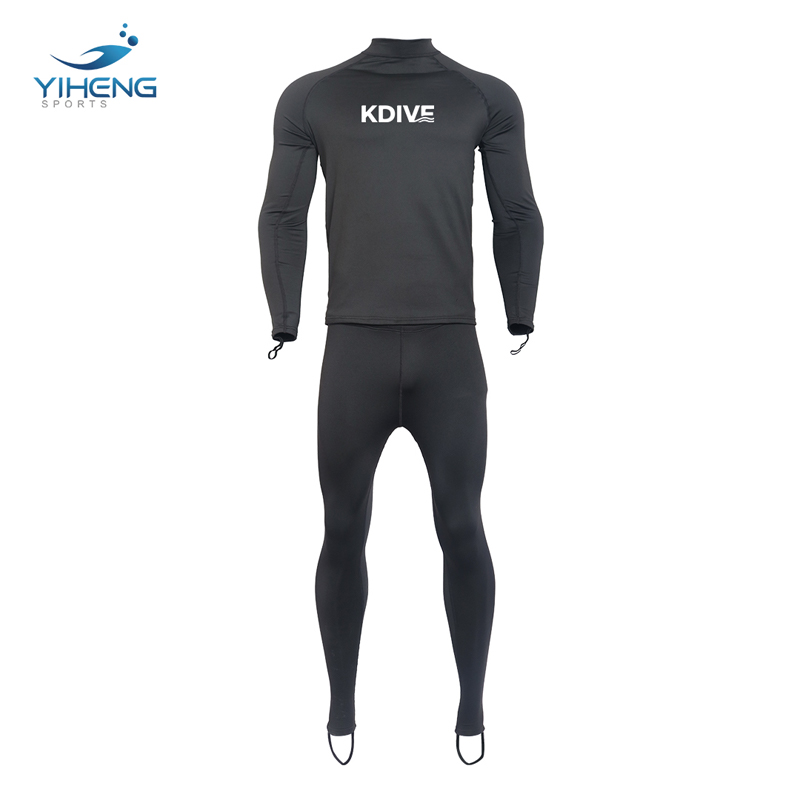
Unlike a conventional two-piece rash guard set, this design creates a continuous layer across the torso, arms, and legs. That configuration can reduce exposed skin between separate garments and helps the suit remain coordinated during swimming, snorkeling, and diving. It also simplifies packing because one integrated garment can replace several individual pieces in a water sports kit.
The suit is not intended to provide the thermal insulation of a thick neoprene wetsuit. Instead, it serves a different purpose. It is designed for lightweight protection, mobility, breathability, and rapid drying, making it particularly appropriate where unrestricted movement and low garment weight are more important than substantial thermal retention.
Full-Body Coverage for Active Water Use
The principal advantage of a one-piece construction is continuity. Separate tops and bottoms may leave small gaps at the waist or shift independently when the wearer bends, swims, climbs onto a board, or enters and exits the water. The one-piece format maintains a connected layer over the torso and limbs, supporting a more consistent fit during activity.
Full-body coverage can also reduce direct contact between the skin and external surfaces. During snorkeling or freediving, the garment may help limit contact with equipment straps, flotation devices, boat surfaces, boards, and rough natural surroundings. During surfing and paddleboarding, the smooth fabric may help reduce friction caused by repeated movement against a board or seat.
The full-body silhouette also provides a practical foundation for layering. It can be worn under a wetsuit to create a smooth base layer, helping reduce direct skin contact with neoprene and supporting easier dressing. When worn alone in warm conditions, it offers coverage without the thickness and buoyancy associated with insulated neoprene.
For operators, retailers, and private-label buyers, the one-piece format also presents a clear product position. It is distinct from a standard long-sleeve rash guard, yet more lightweight and versatile than a traditional wetsuit. This creates opportunities for use across swimming, recreational diving, beach travel, water fitness, and outdoor adventure categories.
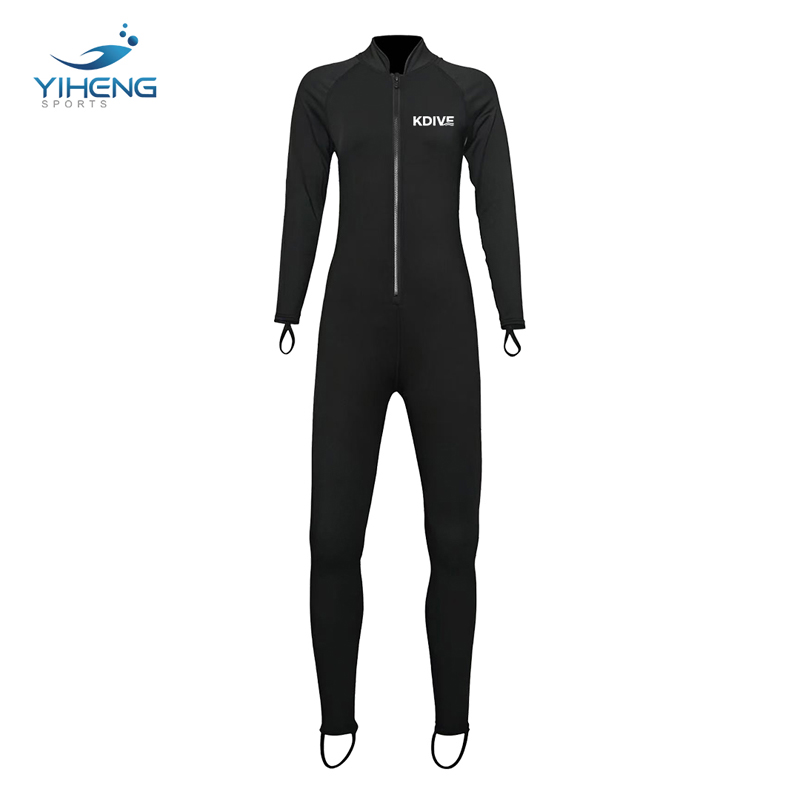
Women's Black Lycra One-Piece Quick-Dry Suit
Super-Stretch Lycra Fabric
Fabric selection is central to the performance of any rash guard. The Women's Black Lycra One-Piece Quick-Dry Suit uses super-stretch Lycra fabric to support a close athletic fit without creating unnecessary restriction. The material is designed to follow body movement rather than resist it, allowing the wearer to extend the arms, rotate the torso, bend the knees, and kick freely.
A smooth textile surface contributes to comfort during extended wear. The fabric is soft against the skin and designed to reduce the rough or abrasive sensation that can occur with poorly finished materials. This is especially important when the garment is worn for long snorkeling sessions, training periods, water excursions, or travel days that involve repeated transitions between land and water.
The material's flexibility is also valuable when the suit is pulled over swimwear or worn below another protective garment. A rigid or low-stretch layer can create pressure around the shoulders, waist, and hips. Super-stretch construction helps the garment adapt to different movement patterns and enables a more natural fit across a broad range of activities.
Compared with heavier water sports garments, Lycra offers a lightweight alternative. The low-bulk profile makes the suit easier to pack, carry, and store. It is suitable for travelers who need a versatile garment that does not occupy the space of a thick wetsuit. Its light construction also supports faster transitions after water activities because the suit can be rinsed, hung, and dried efficiently.
Balance Between Stretch and Support
Stretch alone does not guarantee a good water sports garment. The fabric must return to its intended shape, work with the seams, and maintain a secure fit while the wearer is active. The product's athletic cut and reinforced seam construction are intended to complement the Lycra fabric, creating a balanced garment that is flexible without feeling excessively loose.
A close but comfortable fit reduces unnecessary movement of the material against the skin. This can contribute to better comfort while swimming and help the garment remain streamlined during water activities. The suit should be selected according to the wearer's measurements rather than personal preference for an excessively tight fit. Correct sizing allows the stretch fabric to perform as intended and reduces stress on the zipper and seams.
Quick-Drying and Breathable Performance
Wet clothing can become uncomfortable when it remains saturated after an activity. The lightweight construction of this one-piece suit allows water to drain efficiently and supports rapid drying after use. Quick-drying performance is valuable for people who move between multiple activities during the same day, such as swimming in the morning, sightseeing in the afternoon, and traveling in the evening.
Fast drying can also simplify equipment management for resorts, instructors, clubs, and rental operations. A garment that dries efficiently between uses is easier to prepare, store, and transport. For individual users, quick-drying performance reduces the need to place a heavy, wet garment into a bag for a long period of time.
Breathability is another important feature when the suit is worn outside the water. A full-body garment can feel uncomfortable if it traps excessive heat during beach walks, equipment preparation, boat travel, or paddleboard launching. The breathable Lycra construction helps support a more comfortable microclimate when the wearer is moving between water and land.
Quick-drying performance should not be confused with waterproofing. The suit is intended to become wet during use. Its advantage is that it manages moisture efficiently, dries faster than many heavier materials, and remains comfortable while wet. This makes it a practical garment for repeated water exposure rather than a barrier designed to keep the wearer completely dry.
UV and Jellyfish Protection
Outdoor water activities expose the skin to sunlight for long periods. Water can reflect sunlight toward the body, while swimmers, snorkelers, and paddlers may spend hours in open environments with limited shade. The full-body design helps reduce the amount of exposed skin, and the fabric provides UV protection as part of its functional role.
Coverage can be particularly useful for people who prefer to reduce the amount of sunscreen required on the arms, torso, and legs. Sunscreen remains important for exposed areas such as the face, hands, and feet, but a suitable rash guard can supplement a broader sun-protection routine. The black color provides a classic, versatile appearance and pairs easily with masks, fins, boards, buoyancy equipment, and other accessories.
The garment is also designed to provide jellyfish protection by creating a fabric layer between the skin and the surrounding water. No textile garment can guarantee protection against every marine organism or environmental hazard, and users should follow local safety guidance. Nevertheless, continuous coverage can be a practical precaution in areas where jellyfish contact is a concern.
For tour operators and water sports retailers, this combination of coverage and flexibility makes the suit relevant to a broad customer base. It can be recommended for recreational snorkeling, guided excursions, beach activities, open-water practice, and other situations in which users want more coverage than swimwear alone can provide.
Front-Zip Convenience
The front closure uses a YKK zipper, a feature that addresses one of the most common frustrations associated with full-body garments: difficult entry and removal. A rear zipper may require assistance or uncomfortable reaching, particularly when the fabric is wet. The front zipper allows the wearer to open the garment from the front and manage dressing independently.
Easy entry is valuable before a water activity, when the user may be preparing equipment, applying sunscreen, or changing in a limited space. It is equally useful after an activity, when wet fabric can be more difficult to handle. The zipper design makes the suit more accessible to a wider range of users, including those who prioritize convenience during travel or group excursions.
A front zipper also offers an adjustable ventilation option while the wearer is on land. Depending on conditions and activity, the upper portion can be opened when the suit is not being used in the water. The zipper should be operated carefully and kept free from sand, salt, and debris. Proper maintenance helps preserve smooth operation and reduce unnecessary stress on the closure.
The zipper area is integrated with the overall garment construction rather than treated as an isolated component. Reinforced stitching around high-stress areas helps support durability during repeated dressing and removal. This is an important distinction between a suit designed for active use and a fashion-oriented garment intended only for occasional wear.
Four-Needle and Six-Thread Seam Construction
Seams are exposed to repeated tension whenever the wearer stretches, swims, climbs, kneels, or pulls the suit into position. The Women's Black Lycra One-Piece Quick-Dry Suit uses four-needle and six-thread seam construction to support the demands of active movement. This type of stitching is widely valued in performance apparel because it can provide a secure, flexible, and durable seam profile.
A well-constructed seam must accommodate fabric stretch without creating excessive bulk or sharp internal edges. It should maintain the connection between panels while allowing the garment to move with the body. The four-needle and six-thread method is intended to balance seam strength, flexibility, and comfort across key areas of the suit.
Seam quality is especially important in the shoulders, underarms, hips, seat, knees, and inner legs. These zones experience frequent movement and may be subject to greater stress than flatter sections of the garment. Consistent sewing, appropriate thread tension, accurate panel alignment, and careful inspection all contribute to the final performance of the suit.
For manufacturers and private-label buyers, stable seam construction is also important for production consistency. A garment may have excellent fabric but still fail to meet customer expectations if stitching varies from one unit to another. Jiangsu Yiheng Sports Products Co., Ltd. combines experience in material handling and finished-product manufacturing to support repeatable construction across production runs.
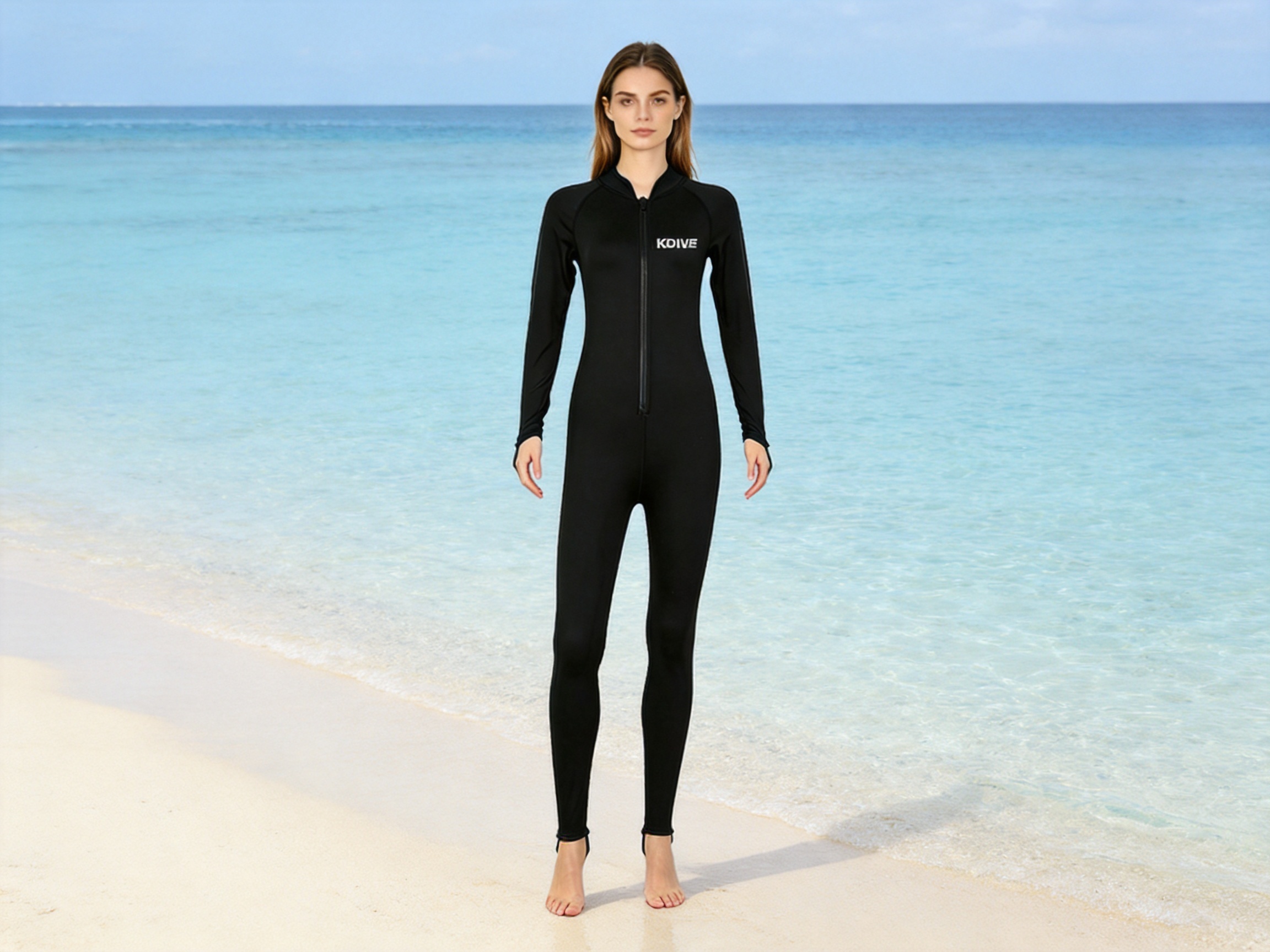
Thumb Loops and Elastic Stirrup Straps
Small details can have a significant effect on the usability of a water sports garment. Integrated thumb loops at the cuffs help keep the sleeves positioned over the hands or wrists during swimming, paddling, and equipment handling. They can reduce the tendency of sleeves to slide upward when the arms are extended or repeatedly moved.
Thumb loops are also helpful when the suit is layered beneath another garment. By securing the sleeve ends, they make it easier to pull on a wetsuit or jacket without the rash guard sleeves bunching near the elbows. When not needed, the loops can be moved away from the thumbs while the wearer is on land.
Elastic stirrup straps at the ankles serve a similar retention function for the legs. Water movement, repeated kicking, and contact with equipment can cause loose pant legs to ride upward. The stirrups pass beneath the feet to help keep the leg sections extended and aligned. This supports a more consistent full-body fit while allowing the wearer to move naturally.
The ankle straps should be used according to comfort and activity. They are designed to assist retention, not to create excessive pressure around the foot. Users should check that the straps are positioned correctly before entering the water and should inspect them periodically for wear, especially after frequent use in saltwater or chlorinated environments.
Comfortable Athletic Fit
The suit's tailored athletic fit follows the natural shape of the shoulders, waist, hips, arms, and legs. This approach provides a close silhouette while preserving the mobility required for swimming and other water sports. A suitable rash guard should move with the body rather than hanging loosely or compressing specific areas uncomfortably.
Fit is particularly important in the shoulder and underarm region. Swimming strokes, paddling, and diving require a broad range of arm movement. Excess material may create drag or bunching, while insufficient room can restrict shoulder rotation. The stretch fabric and shaped construction work together to support a more natural range of movement.
The waist and hip areas also require careful balance. A garment that is too loose may shift during activity, while one that is too tight may create pressure and fatigue. The one-piece design is intended to maintain continuity without requiring a separate waistband to be adjusted during use.
Because body proportions vary, customers should review the available size range from S through XXXL and compare their measurements with the supplier's size chart before ordering. The correct size should feel close to the body but should not cause painful pressure, zipper strain, restricted breathing, or excessive tension at the seams.
Recommended Fit Check
When trying on the suit, first check that the shoulders and crotch area allow normal movement. Raise both arms, bend the knees, rotate the torso, and simulate a swimming or paddling motion. The fabric should stretch smoothly without pulling sharply at the zipper or seams.
Next, confirm that the sleeves reach the wrists and that the ankle sections remain in place without excessive tightness. Test the thumb loops and stirrup straps gently. Finally, close and open the front zipper while standing in a relaxed position. These checks help identify sizing issues before the garment is used in the water.
Advantages Over Conventional Alternatives
The product occupies a useful position between ordinary swimwear, separate rash guard sets, and insulated wetsuits. Each alternative has a place in water sports, but the one-piece Lycra design offers a particular combination of coverage, flexibility, and low weight.
| Garment Type | Typical Strength | Potential Limitation | One-Piece Lycra Suit Advantage |
|---|---|---|---|
| Standard swimwear | Minimal weight and easy movement | Limited coverage and less protection from sun or abrasion | Provides continuous coverage while remaining lightweight |
| Two-piece rash guard set | Flexible outfit combinations | Waist gaps and independent movement of top and bottom | Maintains a connected layer across the torso and legs |
| Loose cover-up | Easy to wear over swimwear | Can shift, bunch, or create drag in water | Offers a closer athletic fit for active use |
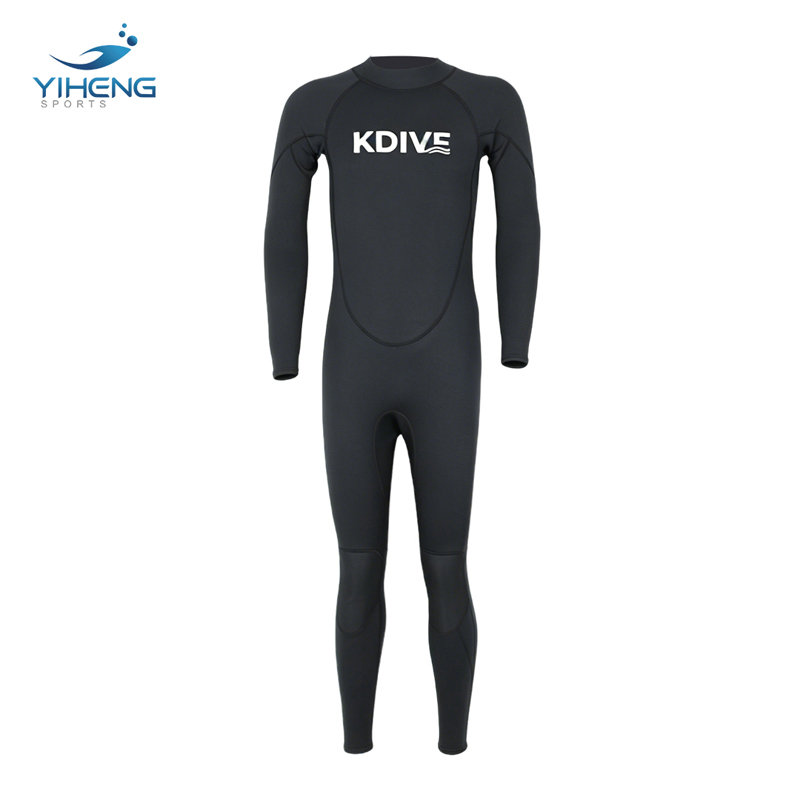
| Thick neoprene wetsuit | Thermal insulation and buoyancy support | Heavier, warmer, and more difficult to put on | Provides a lighter option for warm-water use or layering |
| Compression sportswear | Close body fit for land-based exercise | May not offer water-specific coverage or retention features | Includes water-sport details such as zipper, thumb loops, and stirrups |
Compared with separate tops and bottoms, the one-piece format reduces the number of interfaces where garments can shift apart. Compared with a thick wetsuit, it offers easier dressing, lower bulk, and faster drying. Compared with loose clothing, it is better suited to active movement because the athletic fit and retention features help keep the garment in position.
The product is also versatile across use cases. A customer can wear it independently for swimming or snorkeling, under a wetsuit for additional comfort, or during beach and paddle activities where full-body coverage is preferred. This multi-use positioning can improve the value of the garment and reduce the need to purchase separate products for different activities.
Applications Across Water Sports
Swimming and Open-Water Training
For swimming, the smooth stretch fabric supports continuous arm and leg movement. Full-body coverage can provide additional comfort during open-water practice, especially in locations with strong sunlight, surface abrasion concerns, or cooler water that does not require a thick wetsuit.
Snorkeling
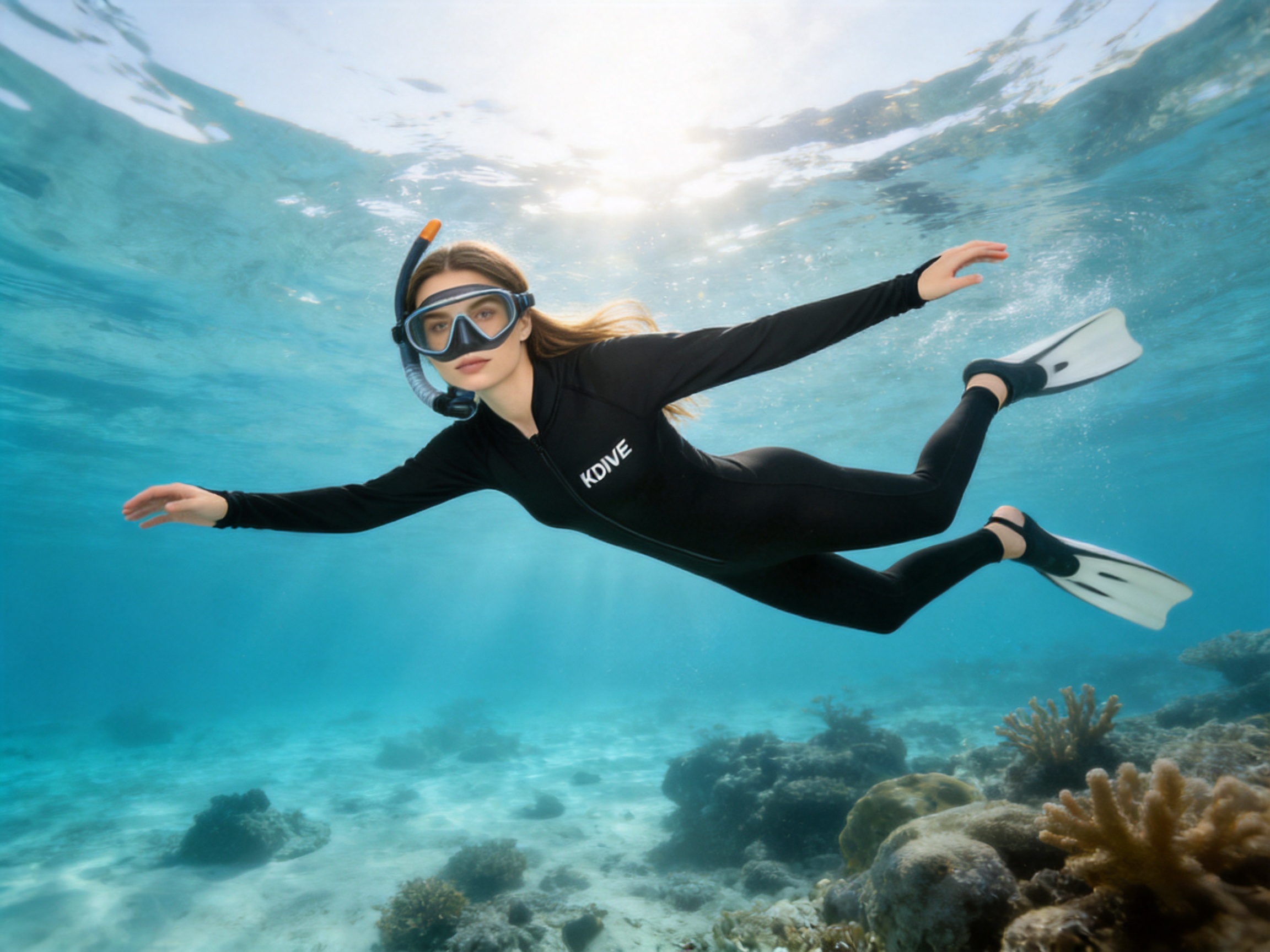
Snorkelers often spend extended periods at the surface, where sun exposure and contact with equipment are common. The one-piece design provides coverage beneath masks, fins, buoyancy aids, and other equipment. The thumb loops and stirrup straps help maintain alignment while the wearer moves between floating, swimming, and boat boarding.
Freediving
Freediving requires flexible movement through the shoulders, hips, and legs. The Lycra construction offers low-bulk stretch for users who need a close-fitting layer beneath specialized equipment or who participate in warm-water freediving. The suit is not a substitute for dedicated thermal protection or safety equipment, but it can function as a comfortable skin-contact layer.
Surfing and Paddleboarding
Surfing and paddleboarding involve repeated contact with boards, kneeling, standing, paddling, and falling into the water. The abrasion-resistant fabric and full-body coverage help create a practical layer between the skin and equipment. The lightweight design is also convenient for users who need to walk from storage areas to the shoreline.
Water Fitness and Recreation
The garment can be used for water aerobics, recreational swimming, beach exercise, and general aquatic fitness. Its soft material and flexible cut support a broad range of motion, while the quick-drying construction makes it practical for activities that move between poolside and water.
Manufacturing Expertise and Product Development
Jiangsu Yiheng Sports Products Co., Ltd. began its development journey in 2008. The company's experience started with raw materials and semi-finished products and expanded into finished water sports garments and equipment. This background is relevant to the Women's Black Lycra One-Piece Quick-Dry Suit because garment performance depends on more than final assembly. It also depends on fabric selection, panel planning, sewing compatibility, finishing, inspection, and understanding how products are used in real markets.
With more than 15 years of production experience described in the company profile and more than 18 years of industry experience in neoprene fabrics and finished products, Yiheng has developed capabilities across source manufacturing and end-market operations. The company also reports eight years of direct retail-market practice. This combination can help inform product development around actual customer expectations, including ease of entry, comfort, sizing, durability, and activity-specific functionality.
The factory covers more than 15,000 square meters and employs over 120 professional workers. A production environment of this scale can support coordinated operations across material preparation, cutting, sewing, inspection, finishing, packing, and order management. It also provides a foundation for customers seeking continuity in supply rather than one-time product sourcing.
Material and Panel Preparation
Performance apparel begins with suitable material control. Lycra fabric must be handled in a way that preserves stretch behavior, surface quality, color consistency, and dimensional stability. Panel preparation requires accurate pattern interpretation so that the finished garment follows the intended athletic fit.
For a one-piece suit, panel alignment is particularly important because the garment connects multiple body zones. Errors in the shoulder, waist, hip, or leg panels can influence comfort and movement throughout the entire product. Careful cutting and organized production procedures help reduce variation between units.
Seam and Closure Assembly
After cutting, the garment panels must be joined with stitching that accommodates stretch. The four-needle and six-thread construction is selected to support a balance of flexibility and reinforcement. High-stress areas, including the zipper zone and points connected to thumb loops or stirrup straps, require careful assembly because they experience repeated tension.
Front-zip construction also requires attention to alignment. A zipper that is inaccurately placed can affect comfort, appearance, and ease of operation. Proper assembly helps ensure that the closure integrates smoothly with the front body panels and remains functional throughout repeated use.
Inspection and Quality Control
Quality control for a rash guard should include visual inspection, seam checking, zipper operation, attachment security, fabric surface evaluation, and size verification. The garment should be examined for skipped stitches, loose threads, uneven seams, panel misalignment, and defects that could affect comfort or durability.
Functional checks are equally important. The zipper should open and close smoothly. Thumb loops should be securely attached and comfortably positioned. Stirrup straps should be elastic enough to support retention without obvious damage or distortion. Finished garments should correspond to the required color, size, labeling, and packing specifications.
For OEM and private-label customers, quality procedures should also address production samples, approved specifications, packaging instructions, and batch consistency. Clear communication between the buyer and manufacturer helps reduce misunderstandings during development and supports a more reliable final product.
OEM, ODM, and Private-Label Opportunities
The product can serve as a foundation for brands developing a women's water sports apparel line. A manufacturer with experience in both materials and finished products can assist customers with product selection, construction decisions, development samples, and production planning. Depending on the project, buyers may request private labeling, customized packaging, adjusted colors, branding details, size specifications, or other approved modifications.
OEM production is suitable when a buyer has an established design and requires manufacturing support. ODM cooperation can be useful when a buyer wants to adapt an existing product concept or develop a market-oriented variation. For a one-piece rash guard, possible development discussions may involve fabric weight, color range, logo placement, zipper specifications, seam details, size grading, packaging, and target-market requirements.
Customization should always be evaluated against performance. A change that appears cosmetic may affect stretch, seam stress, drying time, or comfort. For example, altering fabric weight can influence breathability and drying speed, while changing the zipper length can affect entry convenience and panel balance. Experienced product development support helps buyers consider these relationships before mass production.
Yiheng's wider product range can also benefit customers seeking coordinated sourcing. A buyer may be able to develop a collection that includes rash guards, wetsuits, drysuits, fishing waders, water sports equipment, and neoprene materials through one manufacturing partner. Consolidated sourcing can simplify communication and support a more consistent approach to product quality and packaging.
Care and Maintenance Recommendations
Proper care helps preserve the fabric, seams, zipper, thumb loops, and stirrup straps. After use, rinse the suit thoroughly with clean, cool water, particularly after exposure to saltwater, chlorine, sand, or mud. Salt and chemical residue can affect textile fibers and hardware if allowed to remain on the garment.
Gently remove excess water without twisting the suit aggressively. Hang or lay it flat in a well-ventilated shaded area. Direct, intense sunlight and high heat may contribute to fading, material aging, or loss of elasticity over time. The suit should be fully dry before storage.
Keep the zipper free from sand and debris. Do not force the zipper if it catches. Check the stitching around the zipper, cuffs, and ankle straps periodically. If loose threads or damage are found, repair them before the next activity to prevent the problem from becoming more extensive.
Follow the care instructions supplied with the final product and avoid harsh chemicals unless specifically recommended. Do not store the suit in a compressed, wet condition. A clean, dry, and ventilated storage environment is preferable for maintaining the garment's appearance and performance.
Responsible Use and Safety Considerations
The Women's Black Lycra One-Piece Quick-Dry Suit is a protective and performance garment, but it is not a substitute for appropriate water safety equipment. It does not replace a personal flotation device, thermal protection, diving certification, buddy procedures, or local marine safety guidance.
Users should select clothing according to water temperature, weather, activity intensity, and expected exposure. In cold water, a thicker wetsuit or drysuit may be necessary. In areas with strong marine hazards, users should follow local recommendations and understand that fabric coverage does not eliminate all risks.
The garment should fit securely without restricting breathing or circulation. Users should stop using it if they experience unusual discomfort, skin irritation, damaged seams, or a malfunctioning zipper. New users should test the garment in a controlled environment before undertaking a long or remote excursion.
Why This Product Is a Strong Market Offering
The Women's Black Lycra One-Piece Quick-Dry Suit combines several features that are increasingly important in modern water sports apparel: lightweight construction, full-body coverage, fast drying, flexible movement, easy entry, and adaptable use. Rather than focusing on a single activity, it supports a range of applications from swimming and snorkeling to surfing, paddleboarding, freediving, and wetsuit layering.
Its competitive value comes from the relationship between these features. A quick-drying fabric is more useful when the garment is lightweight enough to carry. Full-body coverage is more practical when the fit remains flexible. A front zipper is more valuable when the seams around it are reinforced. Thumb loops and stirrup straps are more effective when the fabric and overall cut support comfortable movement.
The product also benefits from manufacturing support based on long-term experience in neoprene materials and finished water sports products. Although the suit itself uses Lycra rather than thick neoprene, knowledge of water sports materials, garment construction, and end-market needs remains relevant to product development. The company's factory capacity, professional workforce, and broader product portfolio provide a foundation for serving both individual product orders and wider private-label programs.
For consumers, the result is a versatile garment that can simplify water activity preparation and provide comfortable coverage in a lightweight format. For retailers and brands, it offers a clear product proposition with multiple use cases, broad sizing from S through XXXL, a classic black color, and features that can be communicated easily to customers.
Frequently Asked Questions
What activities is the suit suitable for?
The suit is suitable for swimming, snorkeling, freediving, surfing, paddleboarding, water fitness, beach activities, and other recreational water sports. It can also be worn beneath a wetsuit as a flexible base layer.
Does the suit provide the same warmth as a neoprene wetsuit?
No. The Lycra suit is designed primarily for coverage, flexibility, breathability, and quick drying. It does not provide the thermal insulation of a thick neoprene wetsuit or drysuit. Users should select thermal protection according to water temperature and activity conditions.
Is the garment easy to put on without assistance?
Yes. The YKK front zipper is designed to make entry and removal more convenient than a rear-zip full-body garment. Users should ensure that the fabric is correctly aligned before closing the zipper and should avoid forcing it if sand or debris is present.
What do the thumb loops do?
The integrated thumb loops help keep the sleeves in place during swimming, paddling, diving, and layering. They reduce sleeve movement toward the forearms and can make it easier to put on an additional garment over the suit.
What is the purpose of the ankle stirrup straps?
The elastic stirrup straps pass beneath the feet to help keep the leg sections extended and reduce ride-up during movement in the water. They should be positioned comfortably and checked before use.
Is the suit suitable for jellyfish-prone areas?
The full-body design and fabric layer provide jellyfish protection as part of the garment's intended function. However, no clothing can guarantee complete protection against every marine organism. Users should follow local safety advice and take additional precautions where necessary.
How should the suit be sized?
Select from sizes S, M, L, XL, XXL, and XXXL according to the supplier's measurement chart. The suit should fit close to the body while allowing comfortable shoulder, hip, knee, and torso movement. It should not cause painful pressure, restricted breathing, or excessive seam tension.
Can the suit be worn under a wetsuit?
Yes. Its lightweight, flexible profile makes it suitable as a base layer beneath a wetsuit. The thumb loops can help keep the sleeves in position while the outer garment is put on.
Is the black color practical for regular use?
Black is versatile and coordinates easily with most water sports equipment. It also offers a classic appearance suitable for personal use, team programs, retail collections, and private-label product lines. As with any dark garment, users should follow care instructions to help maintain color quality.
How should the suit be cleaned?
Rinse it with clean, cool water after exposure to saltwater, chlorine, sand, or other contaminants. Allow it to dry in a shaded, ventilated area and avoid storing it while wet. Follow the care instructions supplied with the product.
Can brands customize the suit?
OEM, ODM, and private-label possibilities can be discussed with Jiangsu Yiheng Sports Products Co., Ltd. Potential project details may include labeling, packaging, color development, branding, size requirements, and approved construction modifications. Customization should be reviewed carefully to preserve stretch, comfort, seam integrity, and quick-drying performance.
What makes this product different from a standard rash guard top?
The one-piece format provides continuous coverage across the torso, arms, and legs. It also includes a front zipper, integrated thumb loops, and elastic ankle stirrups. These details make it more suitable for full-body coverage and active water use than a conventional separate rash guard top.
Conclusion
The Women's Black Lycra One-Piece Quick-Dry Suit is designed for people who want full-body coverage without the weight and thermal intensity of a traditional neoprene wetsuit. Its super-stretch Lycra fabric supports natural movement, while the quick-drying and breathable construction helps maintain comfort during repeated transitions between water and land.
The YKK front zipper improves dressing convenience, four-needle and six-thread seams support active use, and the combination of thumb loops and elastic stirrup straps helps maintain garment position. UV protection, jellyfish protection, abrasion resistance, soft hand feel, and broad activity compatibility further strengthen the product's practical value.
Supported by Jiangsu Yiheng Sports Products Co., Ltd.'s experience in neoprene materials, finished water sports products, OEM manufacturing, ODM development, and private-label supply, the suit is suitable for both individual consumers and businesses developing water sports apparel collections. Its versatile design, broad size range, and adaptable market positioning make it a strong option for swimming, snorkeling, freediving, surfing, paddleboarding, and warm-water layering.
References
1. Product specifications and technical information supplied for the Women's Black Lycra One-Piece Quick-Dry Suit.
2. Jiangsu Yiheng Sports Products Co., Ltd. company profile and manufacturing overview.
3. General principles of performance apparel design, including stretch-fabric behavior, seam construction, moisture management, and garment fit.
4. General water sports clothing guidance concerning sun exposure, abrasion reduction, marine-environment coverage, and layering systems.
5. General textile-care practices for synthetic stretch fabrics exposed to saltwater, chlorinated water, sand, and sunlight.
Product: Women's Black Lycra One-Piece Quick-Dry Suit

LET’S DEVELOP YOUR NEXT NEOPRENE PRODUCT LINE
Quick Links
Product Categories
Contact Us
-
 Email: postmaster@yihengsport.com
-
 Mobile: +86-13564100539
-
 No. 480 Jiangping Road, Madian, Binjiang Town, Taixing City, Taizhou City, Jiangsu Province, China.
Copyright © Jiangsu Yiheng Sports Products Co., Ltd. All Rights Reserved
China Wetsuit Manufacturer Neoprene Fabric Manufacturer
